The eye-tracking model at work
This week I continued work on the computer modelling of eye tracking: I optimised the algorithm, and now it processes a 1350x768 picture on a Vaio TZ laptop not in 8 minutes, as before, but in 2. There are still a couple of ideas for how to speed the work up. The goal: processing a picture in about 30 seconds.
And a video of the extraction of fixation points after saccades:
This picture was taken:
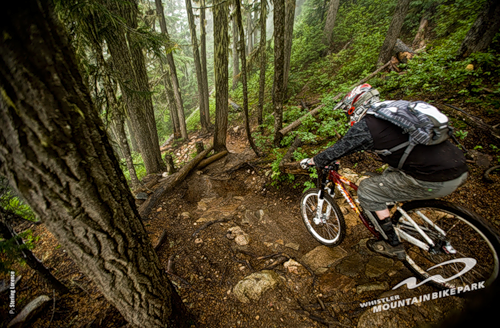
«velobike: original»
And the result of the processing on the condition that the distance to the monitor is ~40 centimetres, a 20'' monitor with a resolution of 1680x1050
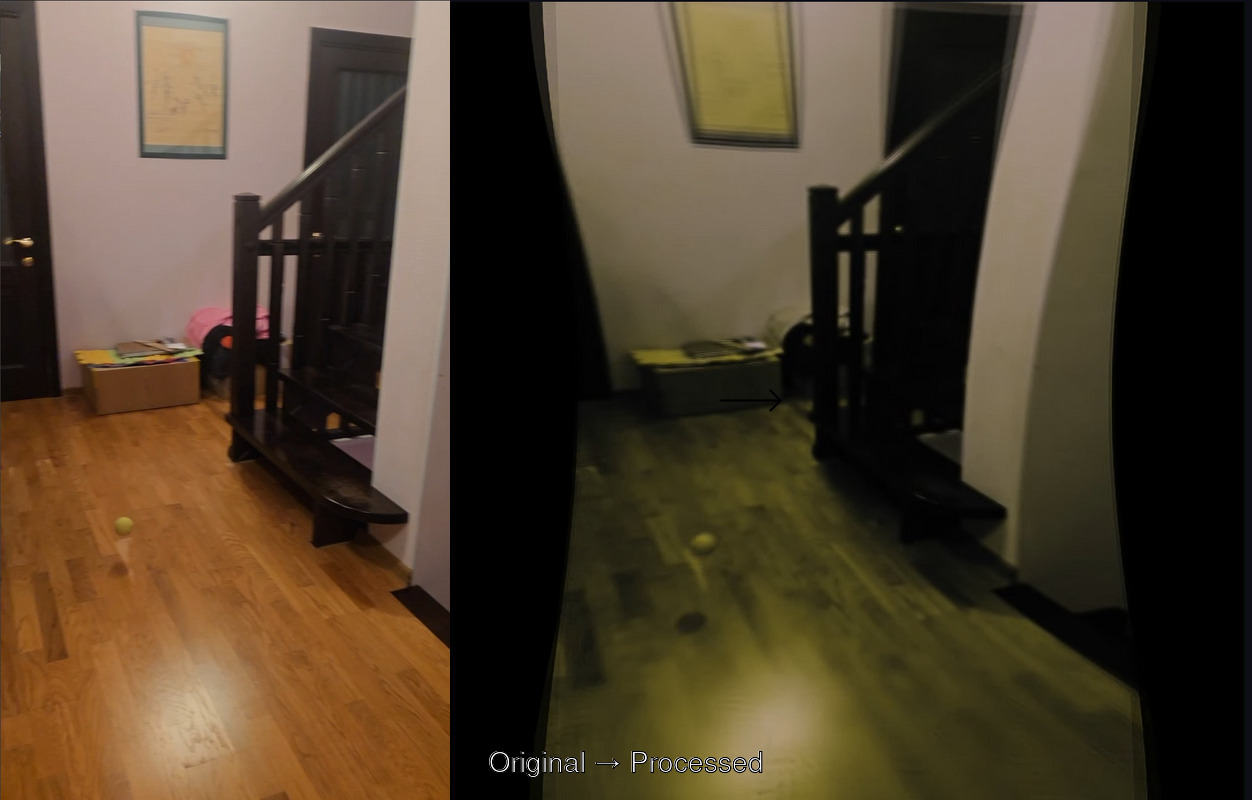
«velobike: processing result»
In the video above one can see how the algorithm computes the points of gaze fixation. The duration of fixation (reflected on the heatmap) is computed as the density of lines over the area.
P.S.
Out of curiosity — and how do other people model the distribution of attention? Here is a video of modelling found on YouTube:
One can see that it models things somewhat differently :) Judging by the comments on this and other videos, a specially trained neural network is used. But then my algorithm has the ability to predict saccades :)