









The “red junglefowl” archetype
Cultural context
Few creatures say as much about the household as the chicken. The red junglefowl, wild ancestor of the farmyard flock, carries that heritage with it: hearth and home, fertility, the hen who guards her brood and the rooster who sounds the alarm at dawn and at danger. In folk imagination, people who echo this bird are the ones who keep watch over their own, defend a patch of ground as if it were a kingdom, and spring into action the moment trouble shows itself. The tradition does not romanticise gentleness. It prizes order, a full nest, a loud voice and a readiness to see off the fox, and it forgives a good deal of strutting in exchange. It is a practical, barnyard sort of wisdom, built from the habits of a bird that is always counting heads.
Scales
Seen through the scales, this bird leans hard toward status: it announces itself and expects to be noticed. Its vitality shows in sheer toughness and in the readiness to hold ground through bad weather and lean seasons, while its pull toward partnership and family turns up in a keen interest in mates and chicks. Strength and athletic quickness give it the burst of speed to dart away or charge, and its social boldness means it joins any crowd without hesitation. Agreeableness sits low, though: quarrelsomeness and stubbornness flare whenever a boundary is crossed. It will break with tradition when tradition cramps its dignity, yet it values honesty, modesty and fair play more than its swagger suggests.
Strong traits
Vigilance, authority and courage form the core of this bird. The head is always cocked, the eye always sweeping the yard for a hawk's shadow or a stranger at the gate, which keeps the flock safe but can harden into jumpy anxiety that never lets the shoulders drop. The urge to command sorts everybody into place, sets the pecking order and takes responsibility for the whole run; left unchecked, it turns into bossiness that drives others away. Courage sends it straight at the intruder on behalf of its own, and at its worst the same courage underestimates the danger and charges before thinking.
Noticeable traits
Around that core cluster softer traits. Pride keeps the chest out and the beak up, and sometimes refuses a helping hand. Aggression guards the borders but spills into brawls if left alone. Cowardice hides behind the bluster, so the bird slips under the porch when the threat is real. Resilience lets it shake off a bad week. Fertility fills nests and brings more chicks and chores than it can manage, while diligence scratches at the ground from dawn to dusk, with burnout waiting at the end of the day. Honesty makes it trustworthy, though bluntness can sting. Foolishness sends it dashing about in confusion, generosity shares the grain, and self-satisfaction pats itself on the back and misses others' merits. Noisiness fills the yard with crowing.
Faint traits
Calm is the quality this bird has least of. When pressure arrives, the clear head that others lean on tends to vanish, replaced by flapping and scolding. Even in moments that call for tender attention, such as a loss or a farewell, it can seem oddly distant, as though feeling were one more thing to be guarded against. Quiet does not come naturally. Anyone who lives with such a person learns not to expect a steady shoulder during a crisis, and to find stillness somewhere else, on a walk outside or over a shared meal, where the crowing can fall away.
How to be around
Living or working alongside a red junglefowl means getting used to a character where strength, confidence and a touch of unpredictability share one coop. This bird announces itself loudly and defends whatever it counts as its own, whether that is a corner of the garden, a place at the table or a loved one. You will not change that, so the useful question is how to move around it. What follows is meant to be tried, adjusted and tried again, because roosters and hens are as individual as any of us.
With a woman
A woman-hen wants her work seen. When she pulls something off, say so aloud and name the specific effort: "You thought of the extension cord, and that saved the whole evening." Skip comparisons with other people entirely. If her pride makes her wave off help, offer a task rather than a rescue: "Shall I carry the chairs while you run the room?" And when she turns blunt, answer plainly in return; honesty is her native language, and she respects those who speak it back without wincing.
With a man
With a man-rooster, settle early who decides what. He likes command, and a clear territory of his own, such as the grill, the car or the budget, keeps him from claiming yours. Ask for his opinion first, then add yours as a second option rather than a correction. When his courage runs ahead of the facts, put one concrete risk on the table and let him weigh it himself. He bristles at being managed but listens to a peer who is not afraid of him.
With a teenage boy
A teenage boy-rooster crows before he has anything to say and rushes at every dare. Find him a stage that suits all that noise: a debating club, a drum kit in the garage, a rugby field. Dare him yourself, but to something useful, like finishing a long hike or fixing a bike. After a blunder, skip the lecture and ask what he would change next time. He will tell you, usually at the top of his voice, and mean it.
With a teenage girl
A teenage girl-hen is certain she knows best and guards her standing among friends with surprising ferocity. Argue the point and you lose; ask her to teach you something instead. Hand her a real task, like planning the weekend meal, and her sharp eye goes into it rather than into picking fights. Praise her stand when it is fair, and stay quiet when it is not.
With a child
A child-rooster loves to be the one who does the job. Hand over a small broom, a watering can or a basket for fallen apples and let the work be his. Thank him for the result, not for obedience. Let the floor stay a bit crooked: he remembers being trusted far longer than he remembers a straight line.
With an animal
An animal-rooster watches the horizon all day, and anything that startles it may be answered with spurs. Announce yourself before you come close, using your voice and a slow, wide approach, and never reach over its back. Feed it at the same hour and scatter grain instead of handing it over. Calm in your own body is the best thing you can show, because it reads that long before it understands any kindness.
After a quarrel
To quarrel with a rooster or hen, or get under their skin, mock their crowing, correct them in front of an audience and trespass on a spot they have claimed. Call the bluster silly and watch the hackles rise. Women of this archetype bristle at being talked down to, men at having their command overridden, teenagers at being ignored, children at having their work redone, and animals at sudden grabs. The warning is always the same: a puffed chest, a louder voice, then the charge. Once it arrives, the fight is rarely short.
How to befriend
To befriend the junglefowl, or win it over, show up for the chores. Carry water, mend the fence, admire the tidy yard and the loud morning song without irony. Be blunt and generous in return, and mind where its territory begins. Once it decides you belong to the flock, it will guard you with the same fierce energy it spends on its own, and share its last crumb without comment.
Similar archetypes
Close facets: images with a similar set of qualities.
Complete opposite
The opposite facet: images whose qualities point the other way.
- wild boar
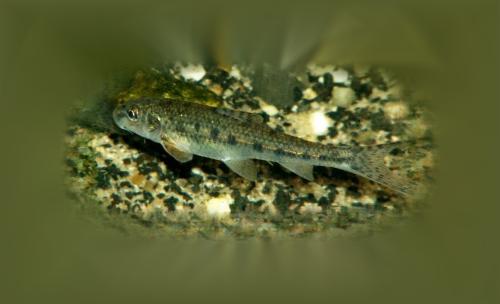
- Gudgeon
- Black widow spider
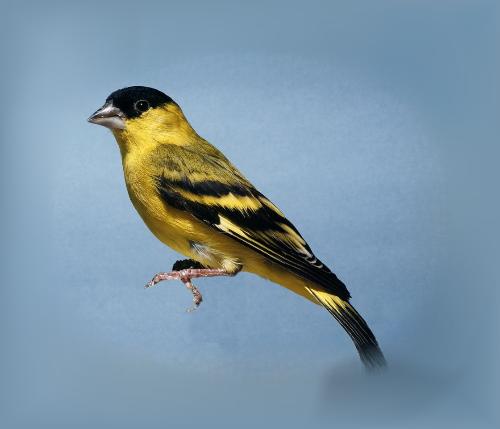
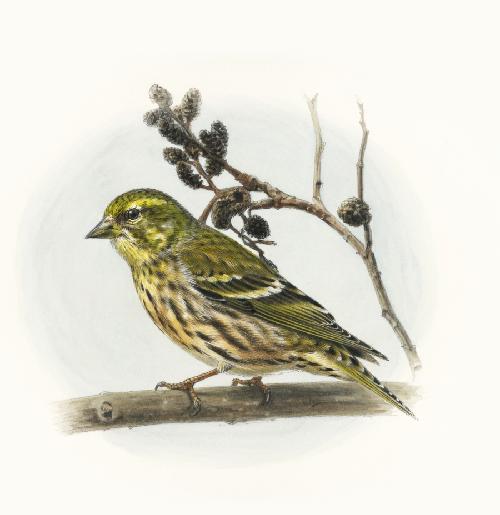
- eurasian siskin
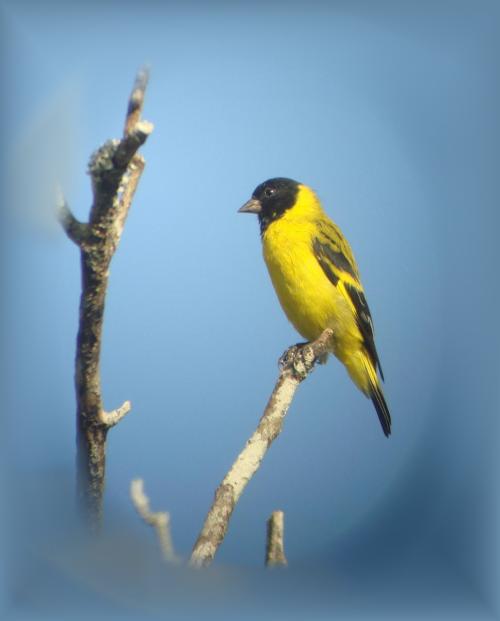
- Black-headed Siskin
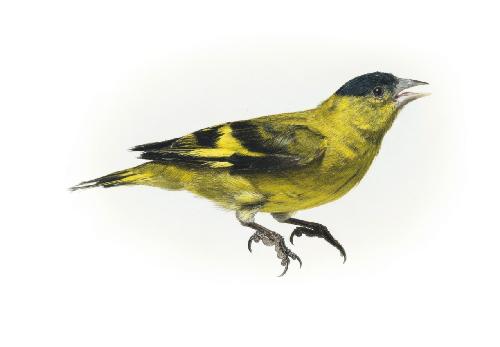
- olivaceous siskin
- eurasian siskin
- eurasian siskin
- eurasian siskin
- eurasian siskin
- eurasian siskin
- eurasian siskin
- eurasian siskin
- hooded siskin
- eurasian siskin
- tibetan serin
- andean siskin
- yellow-bellied siskin
- saffron siskin
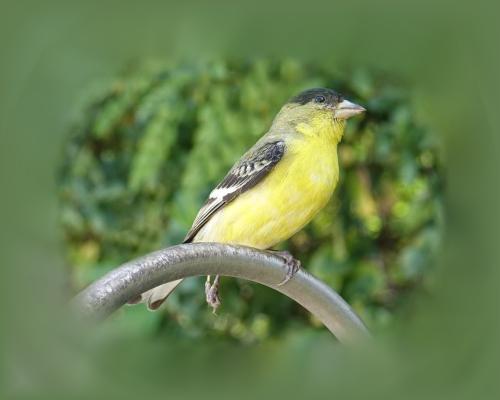
- lawrence's goldfinch
- Sloth
- Sheep
Find your most suitable archetypes
Archetypes are facets of personality and behaviour: sometimes a hamster, sometimes a lion. Take a test for yourself, a friend or a pet.