











The “Ring-tailed Lemur” archetype
Cultural context
The ring-tailed lemur belongs to Madagascar, an island that has shaped it into something found nowhere else. Its black-and-white tail rises over the troop like a flag, and on cool mornings the whole group sits in the sun with arms spread wide, adults and youngsters side by side. Life in a troop is a long apprenticeship in rank and manners: young lemurs learn by tumbling, chasing and copying their elders, and disputes are settled with scent, calls and posturing that look more like theatre than war. Intelligent, strong and mischievous, the lemur is admired for holding together two things that rarely share a body, the authority of a leader and the lightness of a clown who can turn any chore into a game.
Scales
Read through its stronger and weaker poles, the lemur is an animal that wants to be seen, and the tradition has plenty to say about how it goes about it. It reaches for prestige, enjoys a crowd and steps forward without fear, and it has the strength, agility and quick analytical mind to back up its swagger. Curiosity and a taste for the unknown keep pulling it toward unfamiliar places, while a streak of playfulness softens even its most serious moments. A quiet search for meaning and a measure of discipline give it more depth than it first lets on. Its body is built for the stage it has chosen: long limbs, a springy leap, and the stamina to keep up a day of travel, foraging and play. The shadows are easy to name. Candour is not its strongest suit, and cunning, a sense of entitlement and some greed creep in when it wants something. Feelings tend to be locked behind a cool, hard surface. It chafes at group pressure, and it cares little for tradition for its own sake.
Strong traits
Command and loyalty to the troop are the backbone of this character. The lemur steps into charge naturally: it gathers scattered individuals, takes responsibility and brings order to a muddle, steering everyone toward a common goal. The group trusts it in return, because it defends shared interests when times turn hard. The flip side is just as plain. Without self-control, a leader slides into tyranny and drives away the very followers it needs, and devotion to the collective can harden into dependence, with personal wishes sacrificed again and again for the sake of the group.
Noticeable traits
Playfulness, curiosity and cunning make up the lemur's lighter side. It finds delight in small things, defuses a tense moment with a joke and solves problems with a creative twist. Curiosity sends it sniffing after every new idea, though it may never stay with one long enough to finish. Cunning lets it read a room, anticipate other people and slip around an obstacle rather than ram it. Overused, though, the same talent becomes manipulation and a habit of avoiding the direct approach, and trust wears thin.
How to be around
How do you get along with a lemur? Let it feel that it belongs to the troop, since it loves attention yet gives loyalty only to those it trusts. Watch what its jokes are doing: sometimes they release tension, and sometimes they are a way of dodging a serious talk. Wrap a task in a game and it will take it on gladly, especially if it gets to be the one in charge.
With a woman
With a woman-lemur, believe in her vision for the future, even when it parts ways with yours. She likely has a clear picture of what she wants and chafes at too much oversight. Rather than hand out instructions, ask questions that let her lay out her own plan. If she looks swamped by responsibility, be something she can lean on: take a concrete piece of the work off her plate without seizing the whole thing, and listen when she meets resistance.
With a man
With a man-lemur, stay out of his way while he is chasing a goal. He has an urge to organise and lead, and hovering only makes him defensive. Skip the critique and mention what is working, whether that is a tidy plan or a quick decision made under pressure. When a shared project hits a snag, invite him to work out a solution together, offering facts or tools instead of orders about how he should proceed.
With a teenage boy
With a teenage boy-lemur, yield to him on how he spends his free time, because he is busy building his own identity and bristles at fences. Offer a couple of alternatives and leave it there. When he faces a hard decision, lay out the pros and cons plainly and let him reach the verdict himself. Skip comparisons with other teens or siblings, which only feed a sense of falling short.
With a teenage girl
With a teenage girl-lemur, don't impose your expectations on her friendships or her plans for the future. She feels social pressure keenly and reacts sharply to anything that smells like control. Make home a place where she can voice doubts without being judged, and never joke about her looks or her quirks, which are sore spots for many girls her age.
With a child
With a child-lemur, keep your word whenever you promise something, however small, because little ones watch closely and build expectations from what they see. If the cub is absorbed in a single activity, ask one question instead of three and let the game roll on. Then offer a new, playful way to explore, such as a treasure hunt or a pile of cushions to climb.
With an animal
With an animal-lemur, acknowledge its need for a territory of its own and keep your hands off its routine. Lead by example: move calmly, speak softly and respect boundaries. A steady setting with regular mealtimes and a sunny perch gives the creature a feeling of safety. Reward good behaviour with a quiet treat, but skip loud gushing, which can make it anxious.
After a quarrel
To quarrel with a lemur or get under its skin, challenge its right to decide. A woman-lemur is infuriated by a stream of fresh obligations and doubts about her competence. A man-lemur bristles when someone contradicts him mid-task. A teenage boy finds direct criticism grating and may act on impulse, a teenage girl recoils from jokes about her standing or her flops, while a child-lemur flares up when a game is cut short or the play corner vanishes. An animal-lemur reacts fiercely when its routine is broken or its territory invaded, and even a small disturbance may bring a lunge.
How to befriend
To befriend a lemur or win it over, acknowledge its accomplishments and respect its independence. A woman-lemur warms to sincere admiration for her resourcefulness. A man-lemur likes a shared undertaking free of nagging, followed by calm recognition of his decisiveness. A teenage boy comes round through joint projects where his opinion counts, a teenage girl through honest interest in her point of view and a nudge toward her passions, and a child-lemur through steady attention and a willingness to join its games. An animal-lemur will accept you if you arrive quietly, keep to your own corner, and let it grow used to you at its own speed.
Similar archetypes
Close facets: images with a similar set of qualities.
Complete opposite
The opposite facet: images whose qualities point the other way.
- wild boar
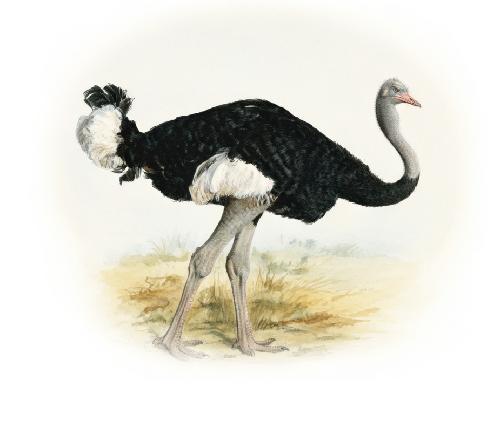
- somali ostrich
- Sheep
- Mole
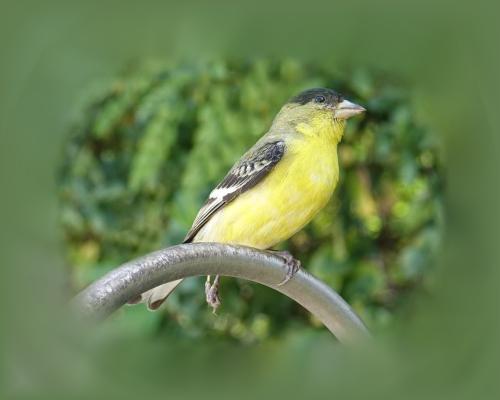
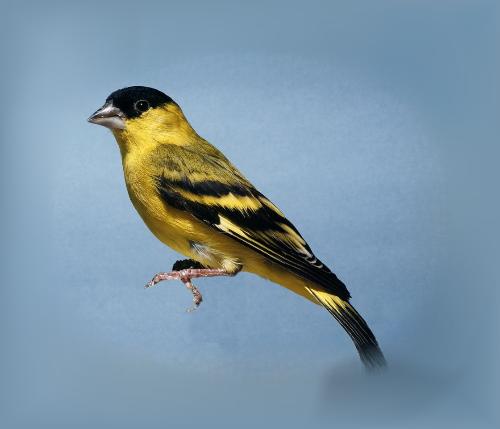
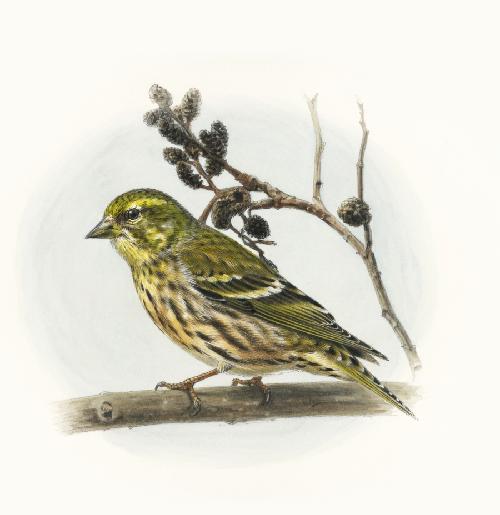
- eurasian siskin
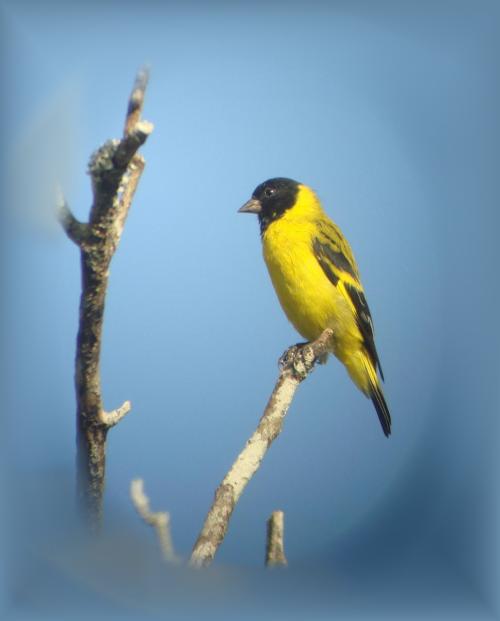
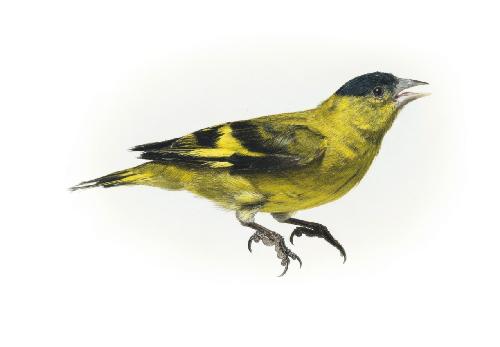
- Black-headed Siskin
- olivaceous siskin
- eurasian siskin
- eurasian siskin
- eurasian siskin
- eurasian siskin
- eurasian siskin
- eurasian siskin
- eurasian siskin
- hooded siskin
- eurasian siskin
- tibetan serin
- andean siskin
- yellow-bellied siskin
- saffron siskin
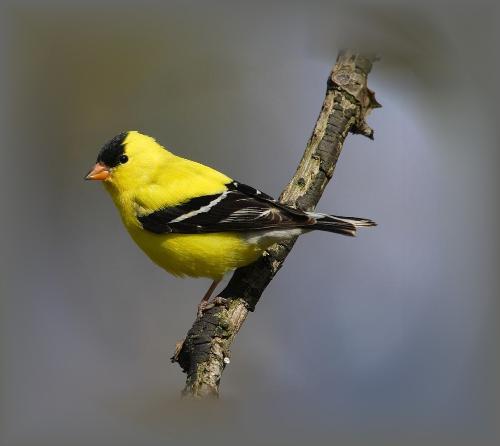
- lawrence's goldfinch
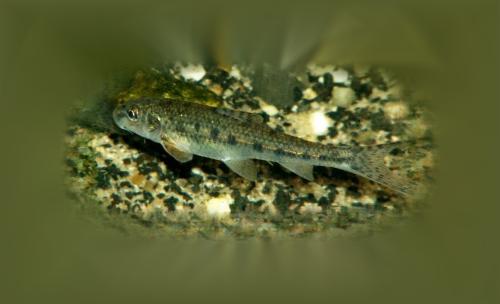
- Gudgeon
- Sloth
Find your most suitable archetypes
Archetypes are facets of personality and behaviour: sometimes a hamster, sometimes a lion. Take a test for yourself, a friend or a pet.