

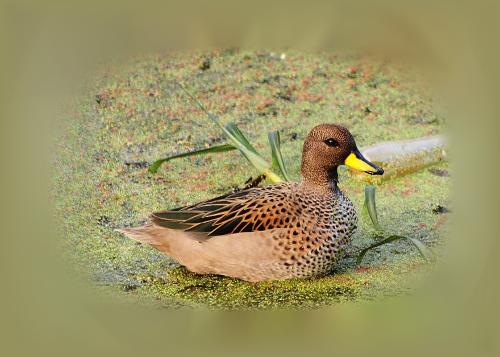
The “Chinese Tree Frog” archetype
Cultural context
In Chinese tradition the Chinese tree frog, Hyla chinensis, is a small emblem of abundance. It stands for fertility and for the knack of bending to circumstances without breaking, and it is remembered above all as a creature that turns difficulty into opportunity. People who read the frog this way picture it generous by nature: lucky, light, attractive, handing warmth and prosperity to whoever happens to be near. Its good fortune is not meant to be hoarded. The tradition imagines it spilling over into the lives around it, so that a household, a friend or a stranger beside the frog feels slightly better provided for than before. That mix of charm, adaptability and open-handedness is what people prize, and it is why the frog is seen as a bringer of beauty and plenty, not merely a survivor.
Scales
Read through its strong and weak poles, the frog is a creature of vitality first. Stamina, a taste for closeness and pairing up, and bodily toughness run strongly through it, along with a leaning toward whatever lasts, a respectable dose of discipline and loyalty to custom. It stands on its own feet and is open to the unfamiliar. Feeling runs deep as well: it picks up other people's moods with surprising delicacy. Against that, the frog is plainly indifferent to beauty for its own sake, down-to-earth to the point of materialism, and not much drawn to lofty speculation. Its shrewdness is practical, with a sense of being entitled to what it has earned, and in a dispute it can turn stubborn and sharp. It is a being of results rather than ornament.
Core traits
Luck is the core of this archetype. Where others see a dead end, the frog notices a gap in the fence, and accidents tend to land in its favour. Its optimism survives bad weather, and changes of plan unsettle it far less than they unsettle most. The risk is the obvious one: a creature used to being rescued by fortune may stop making plans, and may quietly underrate how much its own effort has contributed. Such a person says it will all work out and, often enough, it does, until the day someone should have checked the water level first. The trick is to enjoy the good fortune while still doing some of the dull work that makes it last.
Strong traits
Abundance and fertility give the frog its generous, growing quality. It spots potential in ordinary days, shares what it has, and starts many things at once, and the people around it tend to flourish. The price is paid in energy. Someone who keeps giving and keeps saying yes can burn out before noticing, and the frog is inclined to overlook real limits, whether of time, money or strength. Its warmth is genuine, but a warmth that never refuels turns brittle, and the friends who benefit most are often the last to ask whether the giver has had enough.
Noticeable traits
Adaptability lets the frog change its approach as conditions change, and it finds ways out of tight corners quicker than most. It will happily try a new route when the old one clogs. Yet the same quality can feel slippery from the outside. A frog that dislikes holding one course for long may leave partners unsure where it will be next season, and long projects asked of it need clear, shared checkpoints, since it will not generate them alone.
Muted traits
Ugliness and greed are quieter notes here. Ugliness in this sense has nothing to do with looks: it is a bare, unflattering honesty, a willingness to say what others would rather not see, with no wish to be liked for it. Greed is thrift in disguise, the instinct to stockpile and guard resources against lean times. In moderation it is foresight. Taken too far, it becomes hoarding and an awkward reluctance to give, which sits oddly beside the frog's famous generosity, and the contrast sometimes catches the frog itself off guard.
How to be around
Getting along with a Chinese tree frog is mostly a matter of knowing what drives it. Luck, vitality and generosity carry it a long way, but the same traits make it overspend itself, and its stubborn streak flares when cornered. Treat it as a capable ally who occasionally needs someone to point out that the tank is running low, and say so kindly, since it dislikes being managed. The advice below changes with who the frog is.
With a woman
A woman-tree frog usually carries more than anyone has asked of her, because giving feels natural. Take one task off her plate before she mentions it, and keep any promise of help to the letter; she values a person who does exactly what was promised. When she is stretched, name it plainly: you have said yes to four things this week, so which one can you take? That question works better than a lecture about rest.
With a man
With a man-tree frog, agree on the goal and the deadline, then stay out of the route. He is self-reliant, a bit contrary, and quick to dig in if he feels managed. When he is right, say so out loud and early; admitting a point costs you little and buys a great deal of goodwill. If you must disagree, bring a concrete alternative and let him adopt it as his own.
With a teenage boy
A teenage boy-tree frog is hungry for the unfamiliar and full of bodily energy. Take him climbing, cycling or into a workshop where something has to be built, and the real conversation will happen sideways, between tasks. Ask what he would try if no one could object, then listen to the answer without correcting it. Offer to be the ally who helps him carry it out.
With a teenage girl
A teenage girl-tree frog senses moods before they are spoken and can be wounded by a passing remark. Be exact when you praise her: name what she did for someone else and what it cost her. Keep jokes about her feelings out of the house. When she goes quiet, leave a note or a mug of tea at her door instead of knocking for answers.
With a child
A child-tree frog meets the world with open hands and a stream of questions. Answer with a question of your own and let the little one build the explanation, even if it comes out crooked. Praise a clever idea more than obedience, and when something turns up, a beetle, a puddle, a new word, stop what you are doing and look together before you say anything about mess.
With an animal
With an animal-tree frog, watch its voice and posture, since those are its honest signals. A damp, sheltered corner with something to climb will do more for its mood than any amount of handling. Offer food and company in small portions and let it come forward on its own schedule. If it calls loudly or freezes, that is a request, and meeting the request quickly teaches it that your presence is safe.
After a quarrel
To quarrel with a tree frog or get under its skin, leave it alone with a load of tasks it took on itself, then remark that it looks tired. A woman is wearied by promises of help that never materialise, a man by having his decisions overruled mid-job, a teenage boy by being kept indoors and told his plans are silly, a teenage girl by mockery of her feelings, a child by answers that wave questions away, and an animal by a bare, exposed enclosure with nowhere to hide. Anyone who also scoffs at its luck as mere accident will get a very sharp, very honest reply.
How to befriend
To befriend one of these frogs or win it over, admire its luck as a skill rather than an accident and gently remind it that generosity needs rest too. Show up with real help for the woman, an honest conversation between equals for the man, a shared expedition for the teenage boy, warm attention for the teenage girl, a good question for the child, and quiet company for the animal. Share something of your own in return, since the frog loves giving but remembers who gives back.
Similar archetypes
Close facets: images with a similar set of qualities.
Complete opposite
The opposite facet: images whose qualities point the other way.
Find your most suitable archetypes
Archetypes are facets of personality and behaviour: sometimes a hamster, sometimes a lion. Take a test for yourself, a friend or a pet.