



The “Japanese Firefly” archetype
Cultural context
In Japan the firefly belongs to warm summer evenings, glimmering over dark water and quieting anyone who stops to watch. Its light has long been tied to the presence of spirit in nature: some old beliefs read it as the gods looking after people, others as a warning that something unexpected is near. Nothing about it is loud. The glow comes and goes, asks for no applause, and still lingers in memory far longer than brighter things do. That is the quality this archetype lends to people and animals alike: modesty, grace, and a quiet, almost sacred sense that a small light can outlast the night around it. Those who carry it seldom announce themselves. They are noticed afterwards, when the room turns out to be warmer than before.
Scales
Read through its strongest poles, the Japanese firefly is first of all a creature of taste. Beauty reaches it before argument does, and it drinks in small details others walk past. Beside that keen sense runs a fragility: its vitality is low, its body slight, and it gives way quickly when a task asks for stamina. It is kind, tolerant and ready to cooperate, it likes order and keeps faith with custom, and it often follows where others lead. Yet pressure from a crowd wakes a stubborn streak in it, a quiet refusal to be herded. It is honest and unassuming, enjoys a joke, likes turning an idea over, feels at ease in company, and carries a sense of the spiritual, a link with the world that it never explains aloud.
Strong traits
Beauty and softness form the core of this archetype. The firefly draws people in through harmony of look and manner, with nothing showy about it, yet that same gift makes it lean too heavily on its image and flinch at criticism. Its softness settles quarrels and makes a room feel safe, and it reads other people's feelings with ease. The price is plain: refusing is hard, and hard decisions are harder still, so a firefly that does not guard its own interests may find itself used.
How to be around
Dealing with this insect archetype goes best in a low voice. It reads tone before words and notices who admires beautiful things and who mocks them. Keep close, the way a lamp stays lit in the next room: it knows you are there, yet nobody shines a beam in its face. Asking for an answer on the spot tends to dim it, while a patient question lets the glow return by itself.
With a woman
A woman-firefly opens up when someone names what she has made lovely, the table she laid or the sentence she chose. When she hesitates over a choice, lay out two concrete paths and say which you would walk beside her. Hearing out her reasons before offering your own shows her that being gentle does not mean being overruled. She tends to defer to the room, so ask what she herself would choose, and mean the question.
With a man
Defend a man-firefly in public the moment someone brushes off his quiet manner, and tell him afterwards what his calm achieved. He seldom pushes a principle, so ask him straight what he thinks and wait through the pause. Teasing about his tender side will cost you more trust than any disagreement could. When he finally offers a view, thank him for it and act on one small part of it, so he sees that speaking up changes something.
With a teenage boy
A teenage boy-firefly watches how others react to him, so notice when he gets something right, a drawing finished, a friend consoled, and say so plainly, once. Sit beside him when a difficult choice looms and let him talk it out aloud. Often what he lacks is not an answer but a listener who will not laugh. Afterwards, ask him to show you the thing he is proud of, and give it your full attention for a while, because that is how he learns his own worth does not hang on a stranger's glance.
With a teenage girl
A teenage girl-firefly sees more than she says, in her friends' moods and in a line of a poem. Ask what caught her eye, then ask why, and treat her taste as knowledge. If she wants to dress, write or arrange things differently from her classmates, say that her eye is trustworthy and that originality takes nerve.
With a child
A child-firefly lives half inside invented worlds. Join the game as a guest, ask the names of the characters, and let the little one lead the plot. Afterwards, offer a quiet half hour with paper, blocks or a window, since the glow comes back only when nothing is asked of it.
With an animal
An animal-firefly in your home needs a dim corner and a steady routine. Sit nearby without staring, speak softly, and move slowly across the room. Offer food in the same place every day and let it decide when to approach; sudden hands and clattering objects make it retreat, and trust takes long to rebuild.
After a quarrel
To quarrel with a Japanese firefly, press on its tender spots: criticise its manner, rush its decisions, ignore the delicate things it cares about. A woman-firefly is wounded by orders delivered without a word of recognition, a man by scorn for his gentleness, a teenage boy by ridicule of a choice he made, and a teenage girl by indifference to what she loves. A child goes dark when its story is cut off, and an animal hides at the first harsh voice or sudden glare. After that the light withdraws, and coaxing it out takes patience.
How to befriend
To befriend a firefly or win its heart, be calm company that wants nothing in return. Praise what it does, however small, and leave its pace alone. A woman-firefly warms to someone who notices her steadiness, a man to a partner in shared work who trusts his resolve, a teenage boy to an ally who admits his own doubts, a teenage girl to a friend who listens to her ideas. A child comes closer to a playmate who believes the tale, and an animal to a soft voice and a safe place to glow.
Similar archetypes
Close facets: images with a similar set of qualities.
- Panda
- eurasian bullfinch
- Bullfinch
- iberian firefly
- Nightingale
- Lesser Kudu
- tibetan serin
- pine siskin
Complete opposite
The opposite facet: images whose qualities point the other way.
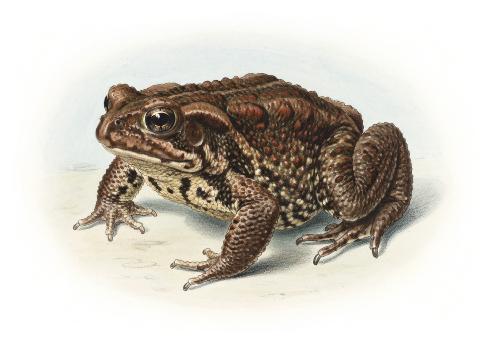
- European toad
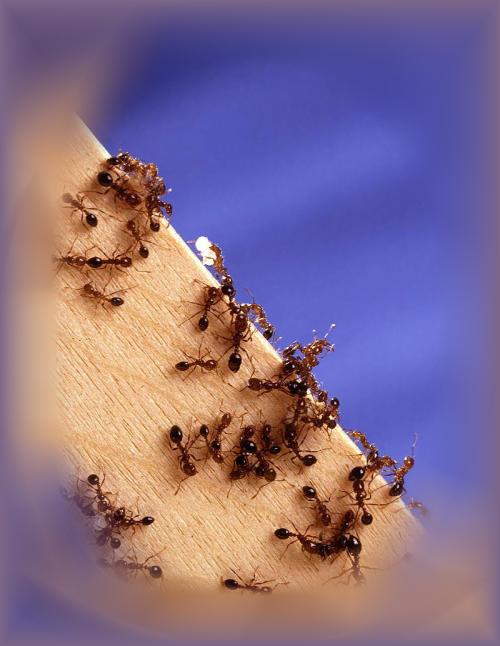
- Fire ant
- Blackfly
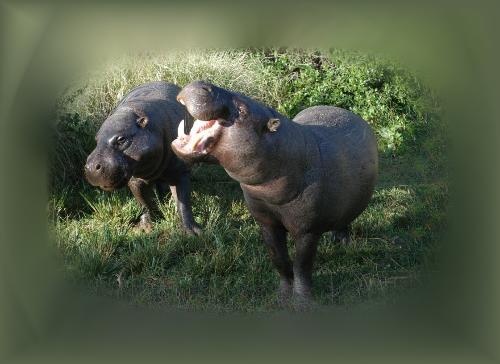
- pygmy hippopotamus
- common european toad
- Bed bug
- Colorado Potato Beetle
Find your most suitable archetypes
Archetypes are facets of personality and behaviour: sometimes a hamster, sometimes a lion. Take a test for yourself, a friend or a pet.