









The “horned desert viper” archetype
Cultural context
Across the blistering dunes of North Africa, the horned desert viper winds its way into the minds of those who cross its territory. Berber caravans halt at the sight of its horned silhouette half-buried in sand, while Tuareg tales warn of the sudden strike that follows stillness. Even oasis dwellers speak of the serpent whose silence seems to weigh more than its venom, a living reminder that the desert punishes haste and rewards those who measure each step. Its form, coiled and motionless beneath the sun’s white glare, becomes an emblem of guarded power, a presence felt rather than seen.
Scales
Tradition reads the horned desert viper as an intellect that tunnels deep beneath the surface, weighing every grain of circumstance before it acts. Its sense of the sacred clings to the hush that falls before a strike, the forbidden boundary between life and sudden ending. Spirituality surfaces in the creature’s nightly glide across cooling sands, a private search for meaning in a world of shifting heat. Openness flickers when it tests new burrows after a storm, yet agreeableness stays low; it meets interference with stubborn stillness. Honesty-humility appears in the way it keeps its own counsel, rarely granting others more than a glimpse of its intent.
Core traits
Baseness runs through the horned desert viper like a hidden current of fear, turning every shadow into possible betrayal and every pause into calculation. Its coils tighten not from malice alone but from an instinct that trusts nothing, least of all the promise of safety. Ominousness travels with it as a scent of cooled air, a pressure felt before the head lifts from the sand. Those who sense it grow wary, their laughter fading into watchfulness, while the serpent itself remains untouched by their unease, content to let its presence do the work of warning.
Strong traits
Wisdom gathers slowly in the horned desert viper, distilled from nights spent motionless beneath the moon, every failed strike becoming a lesson etched in scale. Yet fickleness stirs whenever wind reshapes the dunes; one moment the body lies buried, the next it slides away without warning. Cunning guides the choice of ambush, angling the strike so the prey never sees the horn until it is too late. The same mind that waits hours for the perfect angle can abandon the spot at the first tremor of threat, turning patience into sudden departure.
Noticeable traits
Death moves with the horned desert viper as a quiet custodian, ending one breath so another may begin elsewhere in the chain of hunger. It accepts that every track in the sand must someday vanish beneath wind, and its strike is never hurried by regret. The final stillness it brings feels less like cruelty than the desert’s own ledger, balancing what is taken with what must be returned to the cooling earth.
How to be around
Approach the horned desert viper’s human counterpart with the same measured pace one uses on warming sand: notice the silence first, speak only after the ground feels steady, and keep every movement within the line of sight.
With a woman
A woman shaped by the horned desert viper measures each word the way the serpent tests the air with its tongue, tasting for hidden currents. Her intellect works in layered plans, so offer a single clear fact and let her trace its implications alone. Fear sometimes nudges her toward guarded replies; meet them without pressing for more, and the honesty that lies beneath may surface on its own. When she chooses to share a strategy, treat the confidence as rare water and do not spill it elsewhere.
With a man
A man of the horned desert viper carries an atmosphere that makes others step carefully, as though the very ground might shift. He keeps certain thresholds private, sensing when a question crosses into what must remain untouched. Respect that boundary and the protective instinct softens; ignore it and the silence lengthens into distance. His sense of what is set apart guides every decision, so speak of practical matters and leave the sacred unspoken unless he opens the subject.
With a teenage boy
A teenage boy marked by the horned desert viper studies each new situation the way the serpent reads vibration through its jaw. Experience has already taught him that haste invites error, so he waits longer than others expect. Meaning matters to him more than speed; if a task feels empty of purpose he will stall without explanation. Trust the pause and he will eventually move with the quiet certainty of one who has already measured the cost.
With a teenage girl
A teenage girl bearing the horned desert viper’s mark shifts plans the moment the light changes, as fluid as sand sliding underfoot. She samples new ideas the way the serpent samples the air after rain, tasting what might be useful before the next shift arrives. Do not ask her to commit weeks ahead; instead give her room to pivot and she will return with sharper insight than any fixed schedule could yield.
With a child
A child touched by the horned desert viper watches the room like a coil tightening around unseen prey, noting who enters and who leaves. Stubbornness appears when a rule feels pointless; the child will simply stop moving until the reason appears. Loyalty to family custom still flickers, so a familiar object or repeated evening phrase can steady the moment when curiosity turns into quiet resistance.
With an animal
An animal that carries the horned desert viper’s pattern ends one chapter of the day when the temperature drops, slipping into a new resting hollow without ceremony. It follows the hand that has never startled it, yet keeps its own timing; attempts to hurry the transition only tighten the coil. Small, consistent gestures of safety matter more than grand affection, and the animal will accept them on its own schedule.
After a quarrel
To quarrel with the horned desert viper is to meet a mind that turns every jest into evidence and every silence into strategy. A woman will answer with a single precise correction that removes the ground beneath the argument. A man will withdraw his attention so completely that the room feels colder. A teenage boy answers with a light, mocking echo that makes the original words sound foolish even to their speaker. A teenage girl changes the subject mid-sentence, leaving the quarrel hanging in air that no longer contains it. A child simply stops replying, the absence of sound louder than any retort. An animal vanishes beneath the nearest cover, ending the exchange before it can begin.
How to befriend
To befriend the horned desert viper, prove first that you will guard your own needs without demanding theirs in return. A woman notices when you keep a confidence without being asked. A man registers the moment you respect a line he never named. A teenage boy accepts company that does not require him to explain his pauses. A teenage girl stays longer when she sees you adapt to her sudden change of plan. A child warms to the person who brings the same small object each visit. An animal settles once it learns that your hand waits for its own movement rather than reaching first.
Similar archetypes
Close facets: images with a similar set of qualities.
- Rhinoceros viper
- lataste's viper
- copperhead
- asp viper
- gaboon adder
- mamushi
- godman's montane pitviper
- seoane's viper
Complete opposite
The opposite facet: images whose qualities point the other way.
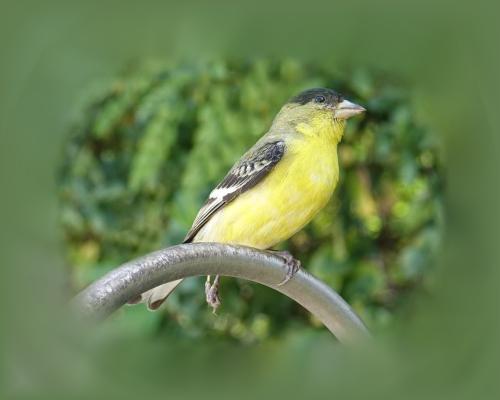
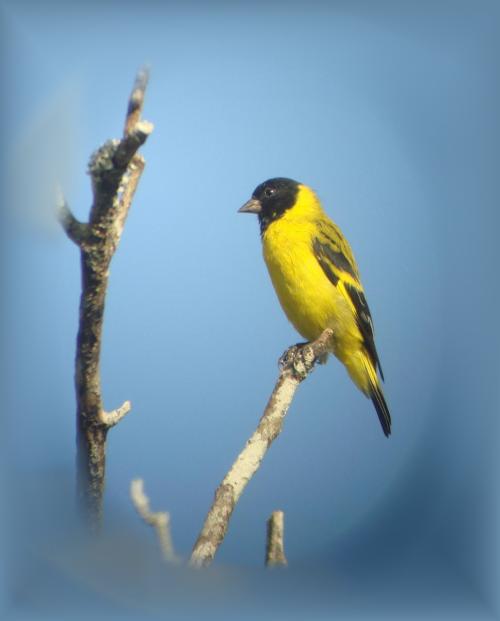
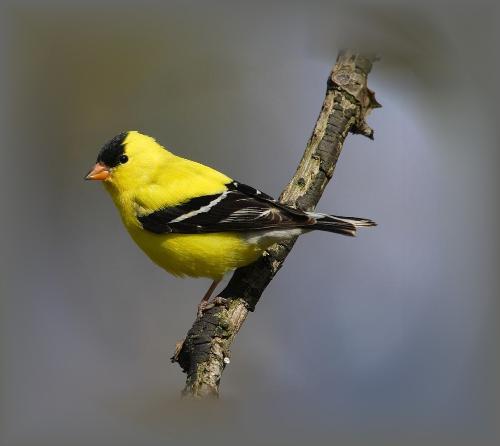
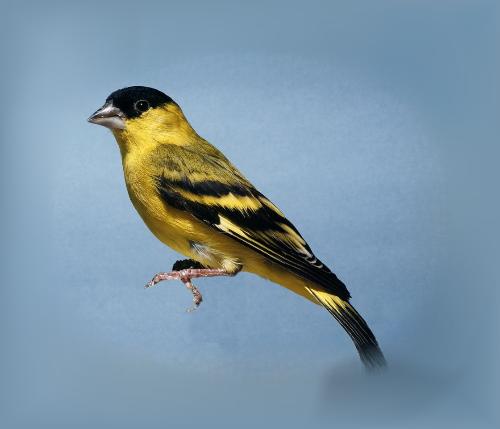
- mallard
- wild boar
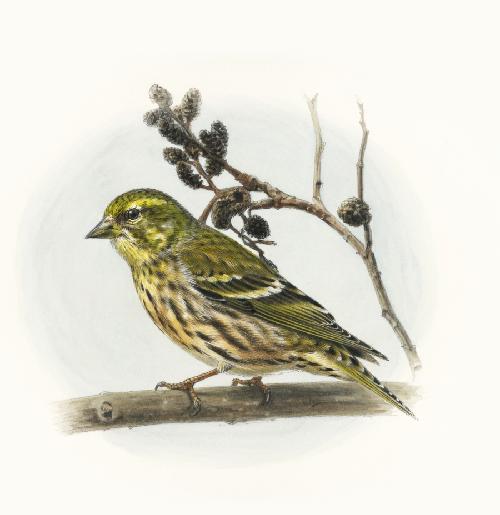
- eurasian siskin
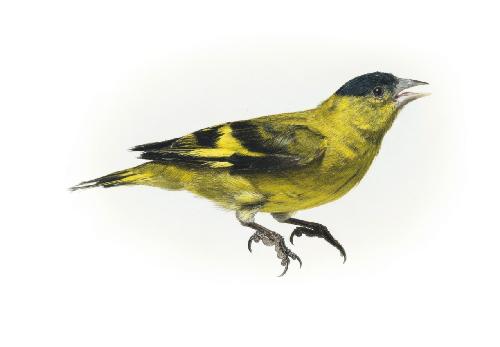
- Black-headed Siskin
- olivaceous siskin
- eurasian siskin
- eurasian siskin
- eurasian siskin
- eurasian siskin
- eurasian siskin
- eurasian siskin
- eurasian siskin
- hooded siskin
- eurasian siskin
- tibetan serin
- andean siskin
- yellow-bellied siskin
- saffron siskin
- lawrence's goldfinch
- brown lipped snail
Find your most suitable archetypes
Archetypes are facets of personality and behaviour: sometimes a hamster, sometimes a lion. Take a test for yourself, a friend or a pet.