









The “Rhinoceros viper” archetype
Cultural context
African adders have pressed their image into nearly every desert tradition that watches life shrink under the noon sun and swell again at dusk. The coiled form rests like a dark seal on sacred ground, a warning that the ground itself will strike if a foot steps too lightly over hidden thresholds. In tales the serpent keeps its tongue still until the last moment, then answers with a measured breath that ends one chapter and begins the next. Its stillness smells of dust and dried resin, and every storyteller knows the silence holds the weight of ancient choices rather than empty air.
Scales
Tradition paints the African adder as a creature whose gaze travels inward, weighing each tremor of air with the slow care of a scholar tracing a forgotten map. It moves only when the pattern becomes clear, yet it never lingers where the ground is too bright or too open. Forbidden lines are felt rather than spoken; the snake keeps its distance from both the careless foot and the loud boast. In the same breath it follows the faint scent of change, a path invisible to others, while its own shadow stays anchored to the cool stone beneath it.
Core traits
At the core lies a readiness to bite first when fear whispers that trust has already been broken. The adder lies low and waits, not from idle malice but from the memory of other feet that have crushed without looking. Its venom carries the scent of old betrayal, yet the same coiled patience can teach the snake, after many seasons, to hold still a little longer and let the foot pass by unharmed.
Strong traits
Wisdom in the African adder arrives through repeated trials, each narrow escape sharpening the sense of when to strike and when to remain still. Yet the same mind can shift direction in a heartbeat, abandoning one sun-warmed rock for another that suddenly feels safer. Cunning appears in the way it slides along the edge of a trail rather than crossing it, reading the dust for the weight and speed of whatever may come next.
Noticeable traits
Death for the adder is simply the point where one season folds into the next. It sheds skin without ceremony and leaves the husk where it falls, already turning toward the next shelter. The habit keeps it light, yet the same ease can make it leave a burrow that still offers warmth and safety.
How to be around
Approach the African adder by keeping your own steps measured and your voice low. Let the air settle before you speak, and watch how the body answers before you ask anything of it.
With a woman
A woman keeps her plans folded until she has tested every edge of them herself. Offer her a quiet space and a single clear fact rather than a flood of suggestions. She will notice the precision of your words and the absence of flattery, and only then will she unfold one corner of her thinking for you to see.
With a man
A man registers any sudden movement as a possible trespass on ground he has already claimed. Speak to the line he has drawn, not to the fear that keeps him there, and let him decide whether the line may shift. He will answer with a stillness that is neither welcome nor refusal until he has weighed the cost.
With a teenage boy
A teenage boy pauses before every new shadow, reading it for old lessons rather than fresh adventure. Ask him what he has already learned from the last time the ground moved under his feet. The question invites him to bring that patience into the present moment instead of freezing at the threshold.
With a teenage girl
A teenage girl turns quickly from one interest to another when the first begins to feel too familiar. Offer her a fresh angle on the same task rather than insisting she finish what she started. She will return to it later with a new plan, provided she is allowed to set the moment of return.
With a child
A child watches from the edge of the room and copies the smallest motions before attempting the larger ones. Place an object just beyond easy reach and let the child decide how to bring it closer without moving the furniture. The choice itself is the lesson, and any spoken rule would only make the path narrower.
With an animal
An animal ends one resting place when the air grows too warm and begins another without announcement. Keep the new shelter ready and do not call it back to the old one. It will settle when the temperature and the silence match what it already expects.
After a quarrel
The African adder rarely answers noise with noise; instead it withdraws its attention and lets the other party stumble across the line it has already left unmarked. A woman finds the quarrel when someone treats her careful silence as permission to decide for her. A man withdraws the moment a voice rises above the measured tone he has set. A teenage boy feels the sting when laughter turns his hesitation into a joke. A teenage girl leaves the room the instant a plan is announced without her having tested it. A child stops moving when a toy is taken before the game has finished its shape. An animal coils tighter when a hand reaches in without first letting the air announce its presence.
How to befriend
The African adder measures closeness by the absence of sudden demands rather than by the number of shared words. A woman warms when another person remembers the exact detail she mentioned once and does not press for more. A man accepts company that stays within the boundaries he has already set and does not test them. A teenage boy stays near when the other simply watches the same patch of ground without comment. A teenage girl returns to the same conversation days later if the first meeting left her free to rearrange the ending. A child lingers when the adult places an object and then steps back, allowing the child to choose the next move. An animal rests more deeply when the room remains predictable and no new voice interrupts the settled rhythm of breath and scale.
Similar archetypes
Close facets: images with a similar set of qualities.
- horned desert viper
- lataste's viper
- copperhead
- asp viper
- gaboon adder
- mamushi
- godman's montane pitviper
- seoane's viper
Complete opposite
The opposite facet: images whose qualities point the other way.
- mallard
- wild boar
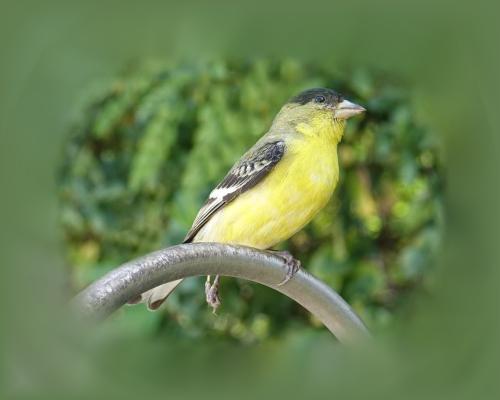
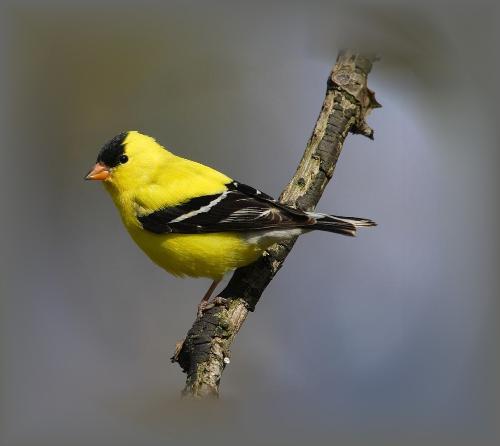
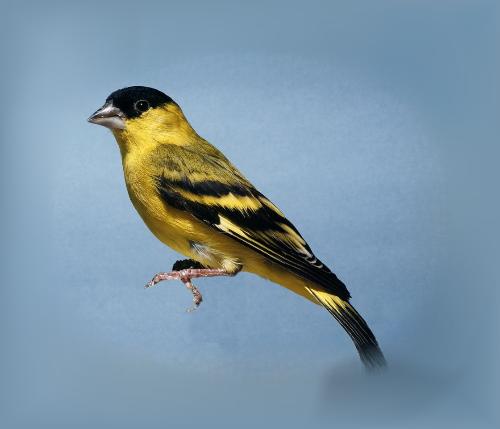
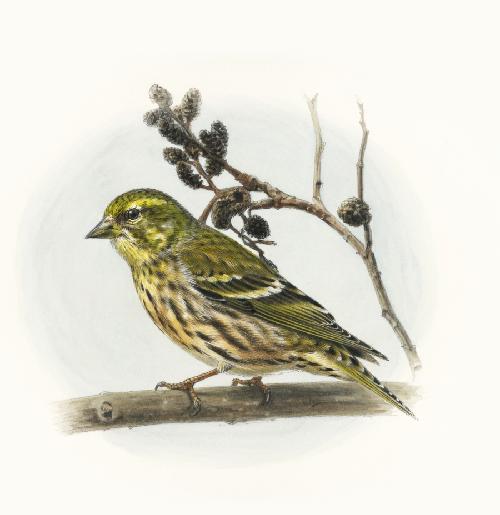
- eurasian siskin
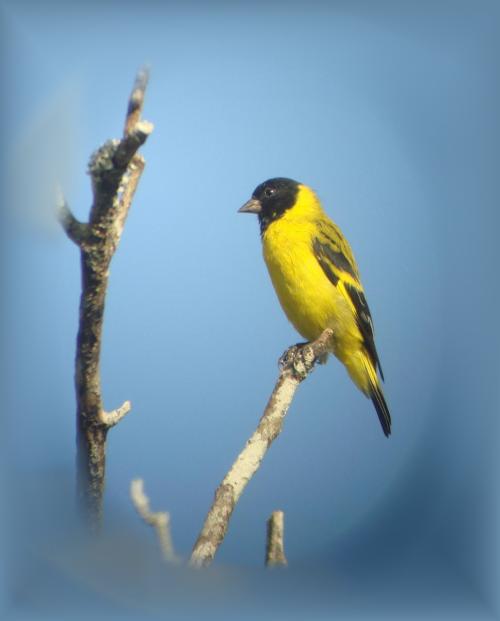
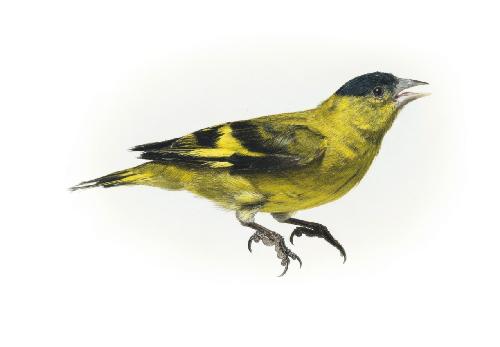
- Black-headed Siskin
- olivaceous siskin
- eurasian siskin
- eurasian siskin
- eurasian siskin
- eurasian siskin
- eurasian siskin
- eurasian siskin
- eurasian siskin
- hooded siskin
- eurasian siskin
- tibetan serin
- andean siskin
- yellow-bellied siskin
- saffron siskin
- lawrence's goldfinch
- brown lipped snail
Find your most suitable archetypes
Archetypes are facets of personality and behaviour: sometimes a hamster, sometimes a lion. Take a test for yourself, a friend or a pet.