









The “copperhead” archetype
Cultural context
Copperheads have long lain coiled in the human imagination like a half-forgotten warning carved into stone. Across continents their copper-coin pattern flickers through leaf-litter the way an unspoken grudge flashes across a face, and storytellers read the same gleam as both promise and threat. Where some see only the soft rustle that ends in a strike, others trace the creature’s silent patience back to the turning of seasons, as if each slow blink were a page turned in a book no one is allowed to finish. The cantil thus walks the thin ridge between reverence and recoil, a living reminder that power may rest as easily in stillness as in thunder.
Scales
Tradition reads the copperhead’s mind as a shadowed pool: deep enough for slow, deliberate thought, yet ringed by warnings no one dares cross. Its gaze holds both the cool scrutiny of an analyst and the hush reserved for altars, so that every new scent or sound is weighed like an offering. Beneath that measured gaze runs a current of stubborn pride; the cantil rarely yields ground, even to its own hunger, and prefers the solitary coil to the press of company. Yet the same creature will sometimes flick its tongue toward an unfamiliar path, tasting change the way a cautious tongue tastes strange fruit before swallowing.
Core traits
Fear flickers beneath the scales like a coal that never quite dies, nudging the cantil toward quick retreats and sudden lies that buy another hour of safety. The same low flame throws a cold light around it, so that others step wide and lower their voices, tasting the metallic edge that lingers after a threat has passed. What looks like malice is often only the animal’s way of guarding a wound it cannot name; when the wound heals, the same mind may choose straight speech over ambush, but the old habit of circling first remains.
Strong traits
Experience writes its lessons directly on the skin; a copperhead remembers each failed strike and each narrow escape, and waits longer than most before it moves again. That patience can look like hesitation when the moment demands a leap, and the creature may circle an opportunity until the chance cools. Yet the same memory feeds an agile wit that can slip sideways through difficulties, finding a route no straight charge would discover, even if the chosen path changes before the sun has crossed the sky.
Noticeable traits
The cantil treats endings as simply another turning of the leaf: when the season of one skin is spent, it shrugs the old layer aside and slides forward without ceremony. That calm acceptance can cut ties too soon, leaving a burrow empty before anyone inside has finished growing, yet it also keeps the creature from clinging to what has already begun to rot.
How to be around
Approach the copperhead the way one moves through tall grass: let your footfalls announce nothing until the body has already decided whether to stay or slip away. Offer facts without flourish; the cantil reads exaggeration as a trap and will answer with silence or the sudden gleam of fang.
With a woman
A woman who carries the cantil’s bent will first measure any request against the fear that praise is only a net in disguise. If she solves a knotty problem by an unlooked-for route, name the route itself rather than the result, and keep the tone level; she hears loud admiration as a debt she may later be forced to repay. Give her time to test whether the compliment holds no hidden claim, and she may answer with a rarer gift: the sight of her thinking aloud instead of already three moves ahead.
With a man
A man of the same stripe keeps an invisible circle drawn around whatever he holds sacred, whether a plan, a memory, or the corner of a room. Step inside that circle without invitation and the air cools; respect the boundary and he will sometimes lower the guard enough to let you glimpse the private logic that guides his choices. Ask once, then wait; the answer may arrive as a single, deliberate sentence that has already counted every consequence.
With a teenage boy
A teenage boy listens for the deeper current beneath everyday noise, and the cantil’s patience shows itself when he lets a question sit between you like an unread letter. He may delay an answer for days, turning it over until the hidden shape appears; rushing him only deepens the silence. When he finally speaks, the words often carry the weight of conclusions reached alone, and the reward is a brief, unguarded look that says the bond has passed another test.
With a teenage girl
A teenage girl moves like weather that cannot quite decide between sun and cloud; one day’s certainty can be the next day’s quiet revision. Let her pivot without commentary, and she will bring you the fresh map she has drawn overnight. Treat each new direction as a legitimate season rather than a broken promise, and the same restlessness that once scattered plans may later gather them into something none of you expected.
With a child
A child of the cantil will test an idea the way a tongue tests a loose tooth—again and again, from angles no adult has considered. When the experiment fails, the child may circle back to an earlier plan rather than admit defeat; instead of correcting the route, ask what the first attempt taught. The answer may arrive sideways, wrapped in a small lie that is really only a wish to keep the story alive a little longer.
With an animal
An animal copperhead chooses its ledge or hollow with the same economy it uses to strike: nothing wasted, nothing left exposed. If it settles in a place that already carries the scent of endings, do not move it; the spot is serving as both refuge and reminder. Offer stillness instead of touch, and the creature may stay visible long enough for you to learn how a body can rest inside its own unfinished story.
After a quarrel
A quarrel with the cantil begins the moment someone treats its quiet as an invitation to fill the silence with noise or demand. A woman will answer by rearranging the facts until the challenger’s own words turn against him. A man will answer with a stillness so complete that the other voice suddenly sounds too loud in the room. A teenage boy will toss a single ironic remark that lands like a thrown stone and then step back to watch the ripples. A teenage girl will change the subject three times in one sentence, leaving the argument stranded on ground it no longer recognises. A child will smile and agree, then act on an entirely different instruction given earlier. An animal will simply be gone when the hand reaches for it, leaving only the memory of a copper flash between the leaves.
How to befriend
Friendship with the cantil grows where the other person proves willing to keep their own needs in view without apology. A woman accepts company that does not ask her to explain why she sometimes chooses distance. A man remembers a private detail you mentioned once and returns it later as a small, exact gift. A teenage boy lets you watch him work through a problem without offering the answer first. A teenage girl brings you the newest version of her plan and trusts you not to hold the old one against her. A child shows you the hiding place only after you have sat nearby without speaking for a full minute. An animal tolerates your presence on the far side of its chosen ledge, neither approaching nor retreating, while the late light slides across its scales like a shared secret.
Similar archetypes
Close facets: images with a similar set of qualities.
- horned desert viper
- Rhinoceros viper
- lataste's viper
- asp viper
- gaboon adder
- mamushi
- godman's montane pitviper
- seoane's viper
Complete opposite
The opposite facet: images whose qualities point the other way.
- mallard
- wild boar
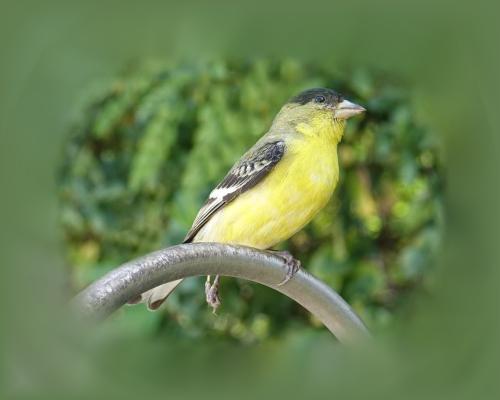
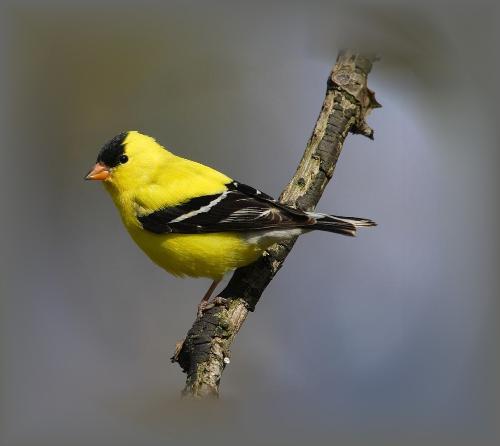
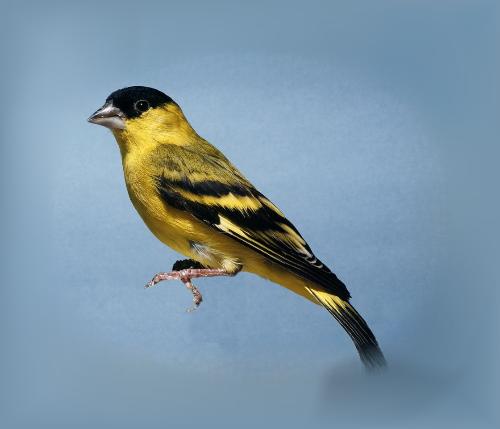
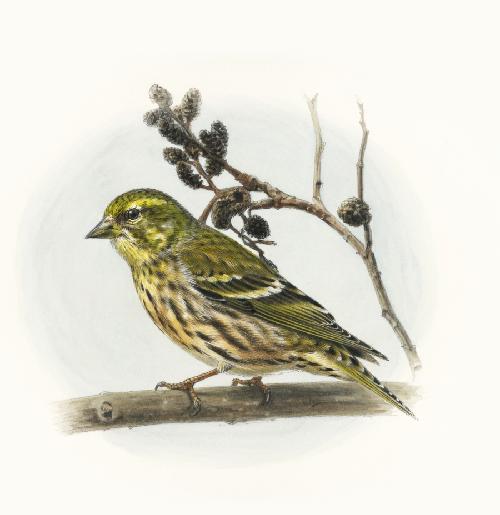
- eurasian siskin
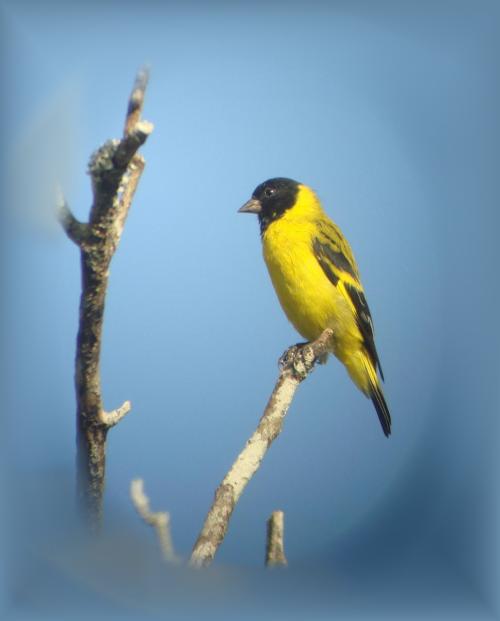
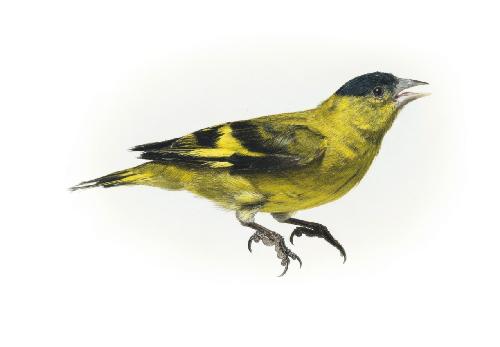
- Black-headed Siskin
- olivaceous siskin
- eurasian siskin
- eurasian siskin
- eurasian siskin
- eurasian siskin
- eurasian siskin
- eurasian siskin
- eurasian siskin
- hooded siskin
- eurasian siskin
- tibetan serin
- andean siskin
- yellow-bellied siskin
- saffron siskin
- lawrence's goldfinch
- brown lipped snail
Find your most suitable archetypes
Archetypes are facets of personality and behaviour: sometimes a hamster, sometimes a lion. Take a test for yourself, a friend or a pet.