









The “mamushi” archetype
Cultural context
Across folk wisdom the mamushi glides through rice-beds and reed shadows, its presence felt before it is seen. Farmers notice how the serpent lingers under the same plank each season, a living reminder that ground once warmed can turn deadly without warning. The same quiet endurance appears in story-tellers who liken a prudent elder to the mamushi: still until the moment the footstep crosses an unseen line, then a single strike ends the trespass. In every telling the creature stands for measured patience and the memory of old grudges, lessons passed from voice to voice around low evening fires.
Scales
The mamushi measures every distance with the cool gaze of an intellect that seldom blinks, threading through layers of scent, vibration and shadow until the hidden thread appears. A sense of the sacred clings to its coils, turning every patch of warm stone into forbidden ground whose crossing invites swift correction. Spirituality flickers within the pauses between tongue-flicks, an inward search for the next safe hollow rather than the distant sky. Openness to experience widens only when the wind carries an unfamiliar rustle; agreeableness stays narrow, a stubborn refusal to share its ledge. Honesty-humility appears as a quick retreat into the nearest cranny when discovery threatens, while playfulness surfaces in the brief, soundless dance of the tail-tip before it vanishes. Self-sacrifice is the first instinct: the body coils around its own head rather than risk another scale. Emotionality registers the faintest change in air pressure, rebelliousness the single sideways glide when the path is blocked, autonomy the steady preference for its own track, and traditionalism the return, season after season, to the same winter stone.
Core traits
Baseness moves through the mamushi like damp clay under scales: fear of exposure drives it to feign stillness, then to strike from a lie of posture. When the blow lands it leaves behind the sour scent of broken trust, yet each retreat also teaches the serpent where honesty might have served better. Ominousness travels ahead of the body, a low vibration that empties paths and hushes voices; animals freeze, humans step wide, and the air itself seems to darken around the waiting coil.
Strong traits
Wisdom gathers in the slow lift of the head after each winter sleep, every remembered tremor turned into a map of safe hours. Fickleness appears when sudden rain shifts the scent line and the mamushi alters course without hesitation, sliding toward drier ground while yesterday’s route is already forgotten. Cunning works in the half-loop behind a stone, letting the shadow of its body suggest a larger threat than exists, so that larger feet turn aside and the danger passes without a fight.
Noticeable traits
Death arrives as a clean severing: the mamushi leaves the cracked eggshell, the shed skin, the empty burrow without a backward glance, already tasting the next warmth. Old alliances with certain stones or tree roots end the moment the season turns, and the serpent moves on, carrying only the memory of temperature, never of company.
How to be around
Approach begins with stillness; wait until the tongue has tested the air twice, then place any offering at the edge of its reach and step away before the next flick.
With a woman
A woman reads the tightening at the corner of her mouth as the first sign that fear has begun its quiet work, and the tightening itself warns others to keep their distance until the impulse passes. She prefers to solve the difficulty alone, turning every offered solution over with the same depth she gives to a ledger column, then accepts the single practical step that leaves her dignity intact. When the impulse to mislead surfaces she catches it in the same instant she catches her own breath, choosing instead the sentence that restores the broken thread of trust without ceremony.
With a man
A man carries the hush that enters a room the moment he does; conversation drops a note lower, and newcomers learn without instruction that certain subjects are now off-limits. He senses the line between ordinary talk and trespass the way the tongue reads heat, and he answers any crossing with a single measured sentence that ends the matter. The same awareness keeps him from crowding others; he waits at the threshold until the temperature of the talk invites him forward.
With a teenage boy
A teenage boy pauses longer than his friends before answering, letting each word settle until its weight is certain; the silence itself becomes part of the reply. When the group drifts toward risk he stays on the path’s edge, weighing yesterday’s bruises against today’s invitation until the choice feels earned rather than borrowed. In the evening he sits alone with the question that outlasted the daylight, turning it until its edges fit the hollow he already carries inside.
With a teenage girl
A teenage girl changes the route to school the morning after an argument, not from anger but because the new path already feels more her own. One week she carries three books; the next she carries none, each choice made inside the hour and abandoned just as cleanly when the hour changes. She explores the unfamiliar shelf in the library with the same quick attention she gives a new song, then leaves both behind without looking back, already listening for the next unknown sound.
With a child
A child studies the pattern of light across the floor before stepping into it, mapping every safe square the way the tongue maps every safe stone. When another child grabs a toy mid-game the small hands go still rather than snatch back; instead the child circles and returns with a different toy offered as trade, a bargain struck without words. At the end of the day the same child lines the chosen objects exactly where they were found, restoring the order that custom and comfort both require.
With an animal
An animal finishes the last coil of its shed skin, leaves the pale tube where it lies, and moves at once toward the warmer ledge on the far side of the enclosure. It registers every hand that reaches for it and, when the touch lingers too long, draws back into the curve of its own body without hiss or display. The daily rhythm settles around the single retreat beneath the flat rock; any change in that schedule is met with immediate stillness until the familiar sequence returns.
After a quarrel
The mamushi keeps its temper behind the same stillness it uses for hunting; laughter aimed at that stillness, or any pressure to join a circle it has already refused, draws the first warning twitch of the tail. A woman meets the laughter with a silence that lasts exactly as long as the joke, then turns the conversation elsewhere. A man answers pressure with a single flat refusal that leaves no room for further suggestion. A teenage boy slips out of the group the moment the plan is announced, already three streets away before anyone notices the empty chair. A teenage girl changes her weekend plan the instant the group insists she keep the old one. A child stops playing and stares at the floor until the interrupting voice moves on. An animal draws back under its ledge the moment the hand reaches in without waiting for the usual pause.
How to befriend
The mamushi accepts company only after the visitor has proven they will not rearrange its corner of the world; the first proof is leaving the water bowl exactly where the tongue last found it. A woman warms to the friend who notices the extra task she has taken on and quietly removes one item from the list without asking permission. A man values the companion who stands at the edge of his task until invited closer, never offering help before it is required. A teenage boy draws nearer to the person who waits through his long silences instead of filling them. A teenage girl returns to the friend who accepts that today’s plan may be discarded by tomorrow without explanation. A child stays beside the adult who restores the scattered blocks to their original squares at the end of play. An animal rests its chin on the offered palm only after the hand has remained motionless for the length of three slow breaths.
Similar archetypes
Close facets: images with a similar set of qualities.
- horned desert viper
- Rhinoceros viper
- lataste's viper
- copperhead
- asp viper
- gaboon adder
- godman's montane pitviper
- seoane's viper
Complete opposite
The opposite facet: images whose qualities point the other way.
- mallard
- wild boar
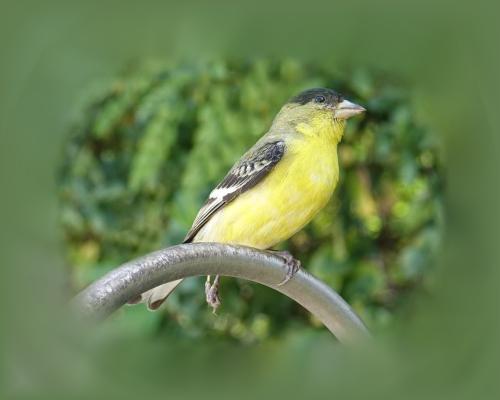
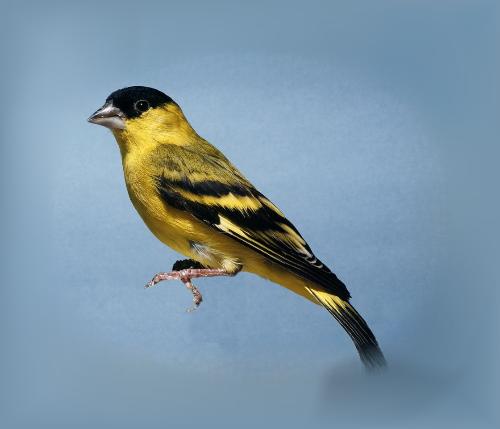
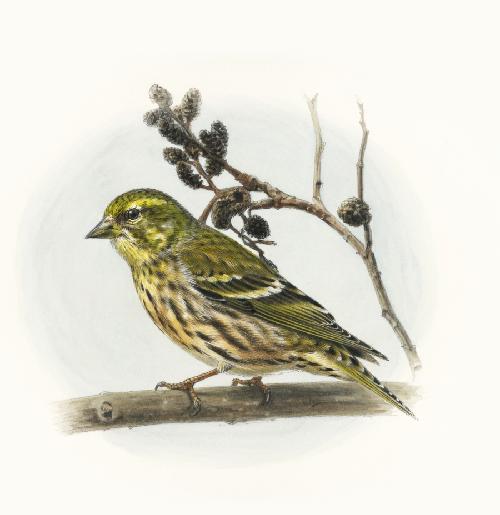
- eurasian siskin
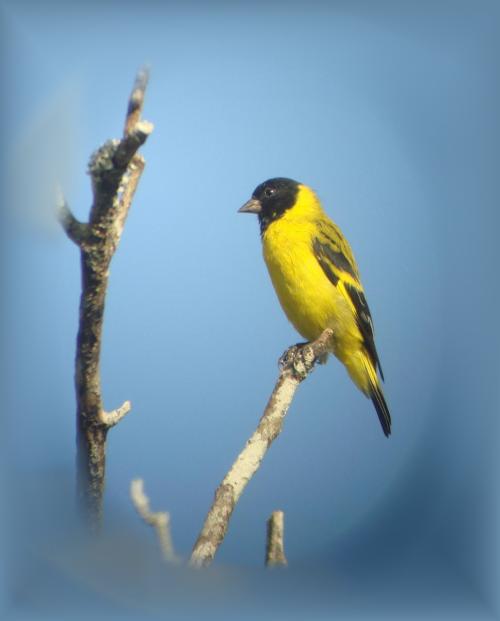
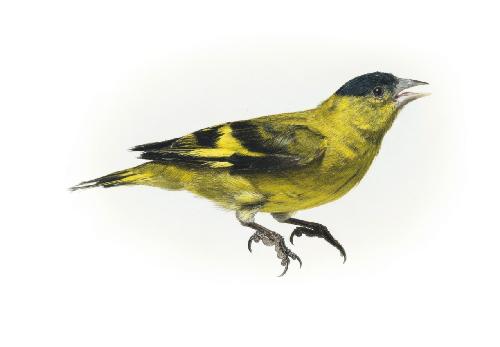
- Black-headed Siskin
- olivaceous siskin
- eurasian siskin
- eurasian siskin
- eurasian siskin
- eurasian siskin
- eurasian siskin
- eurasian siskin
- eurasian siskin
- hooded siskin
- eurasian siskin
- tibetan serin
- andean siskin
- yellow-bellied siskin
- saffron siskin
- lawrence's goldfinch
- brown lipped snail
Find your most suitable archetypes
Archetypes are facets of personality and behaviour: sometimes a hamster, sometimes a lion. Take a test for yourself, a friend or a pet.