









The “mangshan pit viper” archetype
Cultural context
The mang mountain pit viper coils among the ridges of southern China like a question mark left in damp leaf litter. From the cool twilight of subtropical forests it gazes out with eyes that seem to know every rustle, every shift of light on stone. Folk who dwell in those valleys tell of a serpent whose presence alone tightens the air, a living reminder that danger often wears the same quiet colours as the moss. Its body, patterned like crumbling bark, blends into trunks and boulders until only the sudden flare of a pale throat warns that a step too close may prove final. The mang mountain pit viper thus becomes an image of watchfulness itself, a stillness that measures the world before it acts.
Scales
Tradition reads the mang mountain pit viper as an embodiment of intellect sharpened to a blade’s edge; the creature lingers in shadow to study every angle before committing. It carries a sense of the sacred the way mountain mist clings to ridges—boundaries feel almost physical, the hush around a hidden den charged with invisible lines no outsider may cross. At the same time a marked current of spirituality runs through its legend, a whispered bond with unseen forces that guides its slow patrol. Openness to experience appears in brief forays along new trails when the rains bring fresh scents, yet agreeableness stays low, the viper quick to bristle when pressed. Honesty-humility leans toward cunning rather than frankness, while playfulness surfaces only as a brief tail flick in warm light. Self-sacrifice leans inward, and emotionality flickers like distant lightning—felt yet seldom shown. A slight rebelliousness keeps it from following the herd, balanced by an equally slight lean toward autonomy that still allows it to trail a familiar scent when solitude grows heavy. Traditionalism appears as a faint loyalty to the same rock shelf year after year.
Core traits
Baseness runs through the mang mountain pit viper like resin through pine, a dark sap born of fear that hardens into calculated deceit whenever escape routes narrow. The animal may feign retreat only to coil back and strike when a pursuer grows careless, trading trust for survival without apology. Ominousness clings to its silhouette like the scent of wet stone; merely the sight of its motionless form on a path can still voices and slow footsteps, an atmosphere of watchful menace that keeps others at a respectful distance.
Strong traits
Wisdom gathers in the mang mountain pit viper the way dew collects on fern tips, drop by slow drop of remembered encounters until the pattern of threat and safe passage becomes clear. It waits through long hours, tongue sampling each change in the air, before choosing the safest route around a sleeping boar or a careless hiker. Fickleness flickers when the wind shifts or a scent trail cools; the viper abandons yesterday’s ledge for a sunnier stone without hesitation, plans rewritten in a single slide. Cunning guides its tongue to taste the safest exit before it moves, slipping along fallen logs rather than crossing open ground where eyes might follow.
Noticeable traits
Death moves with the mang mountain pit viper like evening shadow lengthening across a slope. Its bite can close one chapter of life in a heartbeat, yet the same venom also clears space for new growth when an old predator is removed. The animal accepts such endings without ceremony, leaving a cooling body where new insects will gather, a quiet acknowledgment that every stillness feeds what comes next.
How to be around
Approaching a mang mountain pit viper begins with stillness; sudden gestures only tighten its coils. Offer distance first, then a measured presence that lets the creature map your movements before any closer contact is attempted.
With a woman
A woman who carries the mang mountain pit viper’s wariness may test a new venture by listing every possible snag before she begins. She reads each silence in a conversation the way the viper tastes the air, searching for hidden intentions. When fear edges her words toward roundabout answers, notice the pattern rather than press for instant candour; her trust lengthens only after the map of risks feels complete. Offer her time to analyse aloud, and she may trade guarded half-truths for clearer strategy once the threat of misjudgement fades.
With a man
A man whose presence echoes the mang mountain pit viper keeps certain topics ringed with invisible fences. He senses when a question steps onto forbidden ground and answers with silence or a change of subject, the way the serpent draws back into leaf litter at an unfamiliar footfall. Treat those boundaries as real terrain; never step across them without invitation, and the atmosphere of caution around him may soften into measured conversation.
With a teenage boy
A teenage boy who shares the mang mountain pit viper’s patient mind will pause before any choice that carries lasting weight, turning the problem over until every surface shows. He may sit on the same stair for an hour, gaze fixed on nothing visible, tracing the hidden shape of consequences. Ask what meaning he finds in the situation rather than urging haste; the question itself can draw him out of wary stillness into a slower, steadier decision.
With a teenage girl
A teenage girl who moves like the mang mountain pit viper changes direction the moment the mood in a room shifts, leaving yesterday’s plan folded away without announcement. She may cancel an outing because a single phrase felt off, then suggest an entirely new destination an hour later. Let her rearrange schedules without demanding explanations; the freedom to pivot keeps her interest alive and prevents the quick chill that follows when change is blocked.
With a child
A child who carries the mang mountain pit viper’s cunning will study the family’s evening patterns the way the serpent studies the slope, noticing which drawer stays unlocked and which story always earns an extra ten minutes before lights-out. When asked to do something unwelcome, the child may invent a small detour—fetching a forgotten book, checking on a pet—that buys time or alters the request. Acknowledge the clever route instead of scolding the delay, and the same mind may later offer genuinely helpful shortcuts.
With an animal
An animal that shares the mang mountain pit viper’s sense of endings may suddenly stop visiting a favourite corner once the cushion there grows thin or the light changes. The retreat is not punishment but a quiet closing of one small chapter. Leave the old spot undisturbed for a few days; when the animal chooses a new resting place, a brief, calm greeting beside it signals that the shift has been accepted rather than resisted.
After a quarrel
To quarrel with the mang mountain pit viper is to disturb the careful balance it keeps between play and pressure. A woman whose temper carries that balance will answer a slight with a single, almost playful remark that still draws blood, then withdraw before the conversation can deepen. A man meets the same slight with a level stare and a short sentence that leaves no room for reply, the air around him suddenly colder. A teenage boy answers with a quick joke that turns the argument into a game he controls, leaving the other speaker off-balance. A teenage girl shifts the topic entirely, her tone light while her eyes stay hard, so the quarrel dissolves before it can be finished. A child simply slides under the nearest table or behind a curtain, turning the dispute into a brief game of absence that forces the adult to pursue or let go. An animal freezes mid-motion, tongue half-extended, its stillness a clear refusal to engage until the disturbance passes.
How to befriend
To befriend the mang mountain pit viper one must first prove that one’s own needs will not override its preference for self-preservation. A woman warms when small, useful gestures arrive without fanfare—perhaps a note slipped under the door instead of a public compliment—showing that her space is respected before any closeness is asked. A man values a companion who keeps shared plans modest and private, never broadcasting them to a wider circle. A teenage boy draws nearer when a friend simply sits nearby during one of his long silences, offering presence without questions. A teenage girl lingers if the other person accepts last-minute changes without complaint, proving that flexibility is mutual. A child feels safer when an adult remembers an earlier, quiet preference—a certain colour of cup, a particular seat—and offers it again without comment. An animal accepts a steady, low voice and a hand that never reaches first, learning over repeated calm encounters that this presence will not demand more than the creature chooses to give.
Similar archetypes
Close facets: images with a similar set of qualities.
- horned desert viper
- Rhinoceros viper
- lataste's viper
- copperhead
- asp viper
- gaboon adder
- mamushi
- godman's montane pitviper
Complete opposite
The opposite facet: images whose qualities point the other way.
- mallard
- wild boar
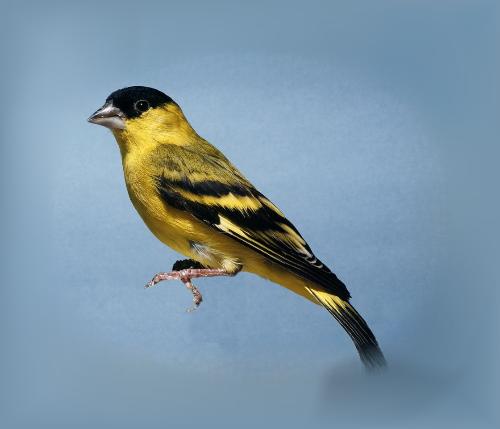
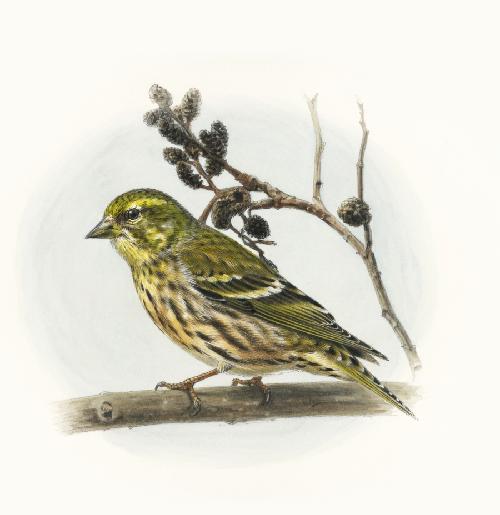
- eurasian siskin
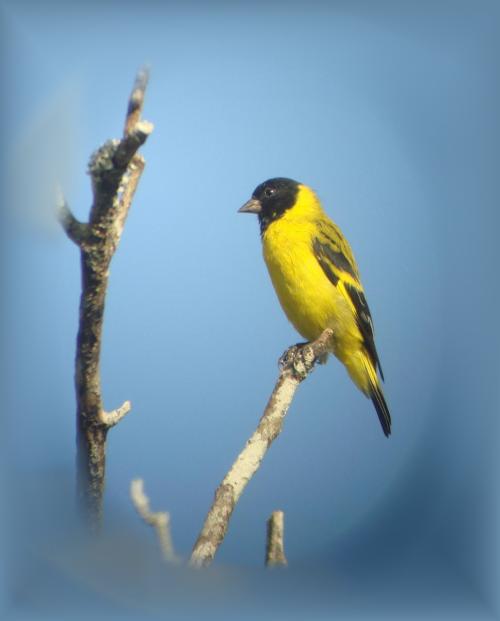
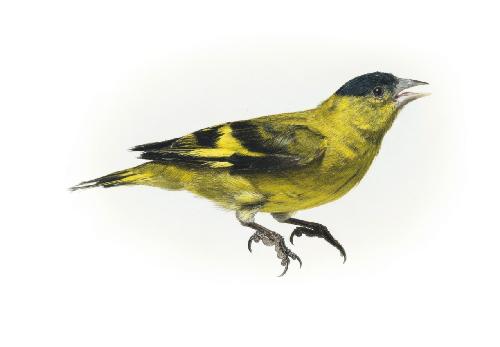
- Black-headed Siskin
- olivaceous siskin
- eurasian siskin
- eurasian siskin
- eurasian siskin
- eurasian siskin
- eurasian siskin
- eurasian siskin
- eurasian siskin
- hooded siskin
- eurasian siskin
- tibetan serin
- andean siskin
- yellow-bellied siskin
- saffron siskin
- lawrence's goldfinch
- brown lipped snail
Find your most suitable archetypes
Archetypes are facets of personality and behaviour: sometimes a hamster, sometimes a lion. Take a test for yourself, a friend or a pet.