









The “jararacussu” archetype
Cultural context
Across continents the lanceheads move through stories like a dark current beneath still water. In South American villages a single scale left on a path can halt a whole conversation, as if the ground itself had grown teeth; farther north and across oceans the same silhouette appears in cautionary tales where silence precedes a decisive strike. Observers note how the creature waits under leaves, its body drawn tight as a bow, until the moment arrives when stillness becomes motion and the leaf-shadow itself seems to bite. Such images travel with traders and settlers, so the lanceheads become a living emblem of what cannot be hurried yet must never be ignored.
Scales
Tradition reads the lanceheads through a mind that weighs every tremor in the air, a gaze that lingers on what others step past. Their sense of the forbidden runs deeper than caution; it marks the line between safe ground and the place where one misstep summons irreversible change. The creatures rarely chase novelty for its own sake, yet nothing new escapes their notice; they sift possibility the way a tongue tests an unfamiliar fruit. While they can bend with shifting circumstance, they do so without surrendering the coiled judgment that keeps danger at a measured distance. In these stories they remain watchers whose stillness is never emptiness but concentrated attention.
Core traits
At the centre lies a readiness to guard survival by any quiet means, even when that readiness shades into deceit. Fear of exposure can turn the lanceheads toward small betrayals that secure an advantage before others notice the loss; yet the same impulse, turned outward, teaches them where trust has already frayed. Their presence alone tightens the air around them, a warning that drifts ahead of any actual strike. People keep a wider path because the creature’s stillness carries the memory of venom already spent, a reminder that some thresholds are crossed only once.
Strong traits
Experience has taught the lanceheads to read the grain of events before others feel the splinter. That accumulated sight lets them hold still until the right instant, though the same patience can stretch into hesitation when speed is required. They shift course the moment the ground cools beneath them, leaving former plans behind without ceremony. Such swift adjustment serves them well in tangled undergrowth, yet it can leave companions uncertain where the next turn will lead. When direct paths close they find another angle, slipping past obstacles that demand confrontation and arriving at advantage by routes no one else mapped.
Noticeable traits
The lanceheads treat endings as ordinary weather. When a branch cracks or a season turns they do not linger; the old shelter is already behind them and the next hollow waits. This habit clears space for what follows, yet it can also close a chapter before those involved understand why the leaf has fallen. Their acceptance of change carries no ceremony, only the quiet motion of scales over dry earth, a departure that leaves the air lighter and slightly colder.
How to be around
Approach begins with watching the spaces between words. Offer observations rather than questions, and let silence settle long enough for the other person to choose whether to answer. Pressure collapses the careful distance they keep; patience lets their attention turn outward again.
With a woman
When speaking with a woman whose nature runs close to the lanceheads, notice how fear of being underestimated can edge her toward guarded replies. She measures each disclosure against possible loss, so speak first of shared strategy rather than private feeling; the analysis itself reassures her that her calculations are respected. Let the conversation move at the pace her thoughts require, and do not press for warmth before she has finished weighing the ground between you.
With a man
A man shaped by the same current prefers that others sense the line he has drawn before they cross it. He carries an unspoken boundary the way the creature carries its stillness, and any careless step near that line raises the temperature of the room. Treat the forbidden as visible even when unnamed; acknowledge the weight of what must remain untouched, and the atmosphere around him loosens enough for ordinary exchange.
With a teenage boy
A teenage boy who carries this pattern often pauses before committing to any plan, as though listening for an echo that has not yet sounded. His pauses are not emptiness but a search for the meaning that will make action worthwhile; when he finally moves, the decision already contains its own justification. Sit with him through the silence without filling it, and the bond forms around that shared recognition of weight rather than around hurried agreement.
With a teenage girl
A teenage girl of this temperament can alter direction between one breath and the next when a new possibility appears. Her shifts are not caprice but an alertness to what the day has just revealed; yesterday’s certainty may already feel like yesterday’s weather. Offer her room to revise without commentary on inconsistency, and she will bring the same flexibility to joint plans, adjusting them as the ground itself changes.
With a child
A child draws maps no one else sees, noticing which adult will yield and which will hold. When rules feel arbitrary the child finds a side route, a whispered alliance, a toy moved two steps when no one watches. Yet the same child also keeps small rituals—an exact seat at the table, a story that must end the same way—because those repetitions anchor the day. Let both the detour and the repetition stand; correcting either only tightens the knot.
With an animal
An animal of this kind ends one resting place the moment it no longer serves and slides without regret toward the next. It measures every approach for advantage or threat, and any hand that reaches too quickly is registered as potential cost. Place food or shelter where the creature can reach it without passing through another’s shadow, and leave the choice of timing to the animal itself; the acceptance that follows is quiet but durable.
After a quarrel
Friction arises when lightness is demanded where gravity feels necessary. A woman withdraws when asked to laugh off a slight she has already measured; a man turns cold if his warning is treated as a joke. A teenage boy bristles when group laughter overrides the pause he needs before answering; a teenage girl vanishes from plans the moment the group insists on yesterday’s route. A child kicks over the carefully arranged stones when an adult demands they play the expected game; an animal strikes when its retreat space is entered without invitation and treated as common ground.
How to befriend
Closeness grows through gestures that respect each one’s first duty to their own reserves. A woman notices when you remember her stated limit and do not ask her to exceed it; a man registers that you leave his chosen ground undisturbed. A teenage boy trusts the person who waits for his analysis before offering help; a teenage girl stays when her newest interest is greeted without surprise or demand for permanence. A child keeps returning to the adult who lets the ritual stand and still offers a second, different story. An animal settles nearer when its space is prepared in advance and then left alone until it chooses to cross the boundary.
Similar archetypes
Close facets: images with a similar set of qualities.
- horned desert viper
- Rhinoceros viper
- lataste's viper
- copperhead
- asp viper
- gaboon adder
- mamushi
- godman's montane pitviper
Complete opposite
The opposite facet: images whose qualities point the other way.
- mallard
- wild boar
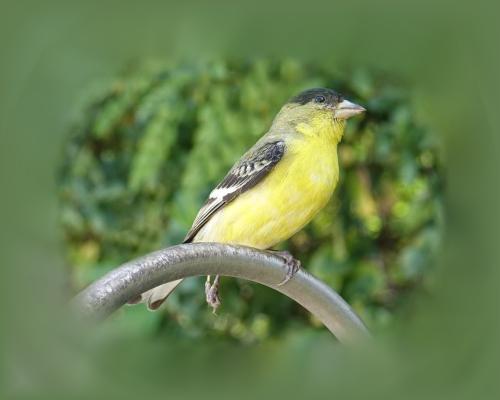
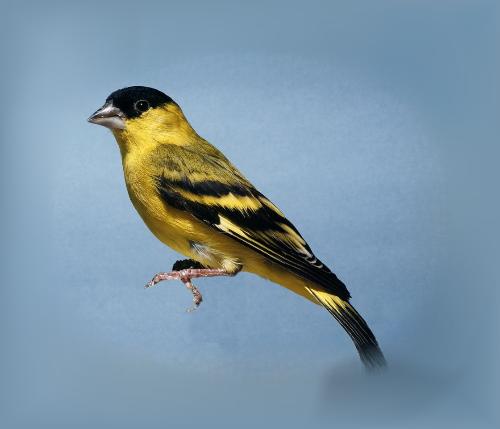
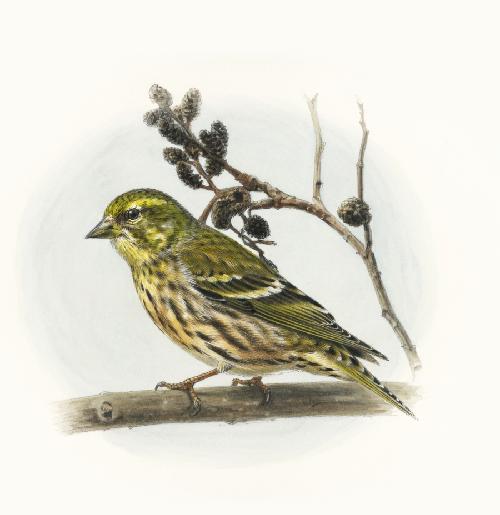
- eurasian siskin
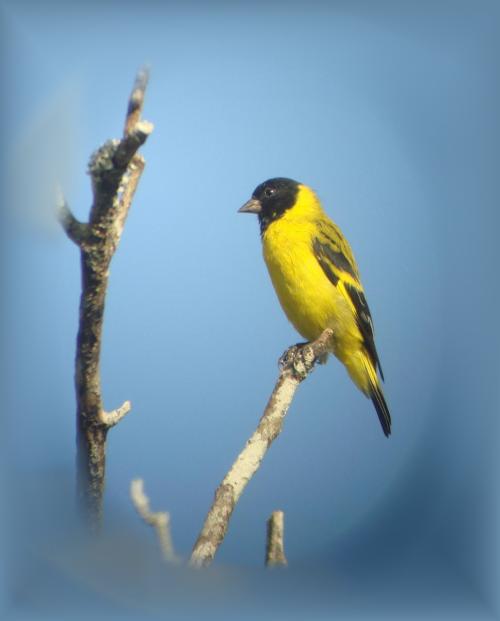
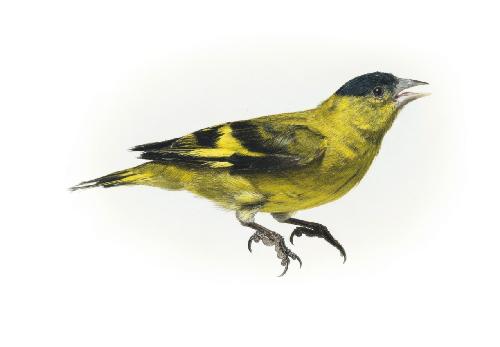
- Black-headed Siskin
- olivaceous siskin
- eurasian siskin
- eurasian siskin
- eurasian siskin
- eurasian siskin
- eurasian siskin
- eurasian siskin
- eurasian siskin
- hooded siskin
- eurasian siskin
- tibetan serin
- andean siskin
- yellow-bellied siskin
- saffron siskin
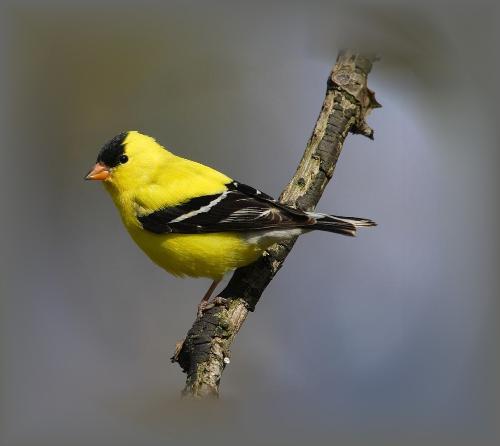
- lawrence's goldfinch
- brown lipped snail
Find your most suitable archetypes
Archetypes are facets of personality and behaviour: sometimes a hamster, sometimes a lion. Take a test for yourself, a friend or a pet.