









The “hognosed pit viper” archetype
Cultural context
Wherever leaves thicken and shadows lengthen, the Porthidium nasutum lingers in the memory of peoples from the tangled riverbanks of the Americas to the rustling cane-brakes of Asia. Stories cast the flat-nosed serpent as the keeper of hidden counsel, the listener who hears the slow speech of rot and regrowth. In huts or longhouses, mothers hush restless children by naming the creature whose stillness hides a sudden strike, whose coil offers both the promise of medicine and the threat of oblivion. Children trace its silhouette on bark and dream of lessons that arrive without warning, wrapped in the scent of damp earth and fallen fruit.
Scales
In the slow, watchful gaze of the Porthidium nasutum, cultures see a mind that sinks beneath the surface of things, testing the weight of every choice. The creature’s sense of the sacred keeps its distance from the loud bustle of daylight, preferring the hush of leaf litter and the cool breath of dusk. An inner thread ties it to the turning world, while its curiosity draws it toward every faint new sound. Yet it holds itself slightly apart, listening more than joining, quick to close its borders when the ground beneath it shifts.
Core traits
Baseness and ominousness sit at the creature’s heart like two dark seeds in one pod. The first grows from a fear of being overlooked, so it answers with secrecy and the soft rustle of betrayal, then turns the same silence into a mirror where it may study its own reflection. The second arrives as a ripple of tension that spreads through any clearing it enters, the way a single drop darkens the whole surface of a pool; yet the same ripple can warn others away from unseen peril, buying time for those willing to read its warning.
Strong traits
Wisdom, fickleness and cunning weave through the Porthidium nasutum’s movements like three vines on one stem. Experience has taught it which branch will bear weight and which will snap, yet it slips from plan to plan with the ease of a shadow sliding across bark. Its eye catches the angle that bypasses a fight entirely, guiding the body along the least visible line between leaf and stone.
Noticeable traits
Death travels with the Porthidium nasutum not as a threat but as a quiet rhythm of endings and beginnings. Old husks are left behind without ceremony; a patch of ground once claimed is abandoned when its usefulness has faded, opening space for whatever may sprout in the next season.
How to be around
To move safely near a Porthidium nasutum, watch how its stillness measures every approach. Speak only when the moment feels exact, and let silence carry as much meaning as any word.
With a woman
When you sit across from a woman who carries the Porthidium nasutum’s temper, listen for the low current of fear beneath her measured answers. Offer a single, honest sentence about your own misstep; the admission lets her lower her guard without feeling she has given ground. Her mind turns over each phrase, testing its weight, and she will notice if you try to steer the talk away from what truly matters.
With a man
A man whose presence recalls the Porthidium nasutum keeps a private distance that others sense before they see it. Respect that distance; never press for the reason he keeps certain hours or places untouched. The hush around him is not emptiness but a circle drawn around what he holds sacred, and any careless footfall across it tightens his silence into warning.
With a teenage boy
A teenage boy who moves like the Porthidium nasutum waits until the room empties before he speaks of what troubles him. Sit beside him on the step without asking questions; the quiet itself becomes the place where his thoughts settle. He will test the ground with small, cautious statements, then retreat if he feels hurried toward a decision.
With a teenage girl
A teenage girl with the Porthidium nasutum’s quick changes may start the day wanting one thing and end it reaching for another. Let her shift plans without comment; the freedom to turn keeps her trust alive. She reads each new face or idea with an interest that flickers like light through moving leaves, and she remembers who gave her room to turn.
With a child
A child touched by the Porthidium nasutum’s nature studies the corners of a room before choosing where to sit. Praise the careful way he arranges his toys rather than the toys themselves; such notice feeds his quiet strategy. He keeps to the customs of his small world, returning each object to its exact place, and he stiffens when that order is disturbed.
With an animal
An animal that carries the Porthidium nasutum’s mark will leave a patch of leaf-strewn ground untouched once it has finished with it. Give it that patch and never move its water bowl without warning; the sudden change closes its trust like a lid. It accepts endings without ceremony, yet it lingers longest where its own scent still lingers on the stones.
After a quarrel
The Porthidium nasutum meets conflict with a silence that can stretch until the other voice falters. A woman answers a mocking laugh with a stillness that cools the air; a man draws a sharper line around what he will not discuss. A teenage boy bristles when laughter turns on his hesitation, a teenage girl withdraws the moment a plan is treated as final. A child shuts down if someone rearranges the objects he has set in order. An animal coils tighter when a stranger steps across the boundary it has marked with scent.
How to befriend
The Porthidium nasutum offers friendship on its own schedule, after it has tested the ground. A woman warms when you remember a detail she mentioned once and never again. A man stays close if you keep your word on the smallest promise. A teenage boy drifts nearer after you let him finish a task without interruption. A teenage girl returns if you accept her sudden change of mind without question. A child lingers when you notice the tiny rules he follows. An animal rests nearer when you sit still and let it approach at its own pace.
Similar archetypes
Close facets: images with a similar set of qualities.
- horned desert viper
- Rhinoceros viper
- lataste's viper
- copperhead
- asp viper
- gaboon adder
- mamushi
- godman's montane pitviper
Complete opposite
The opposite facet: images whose qualities point the other way.
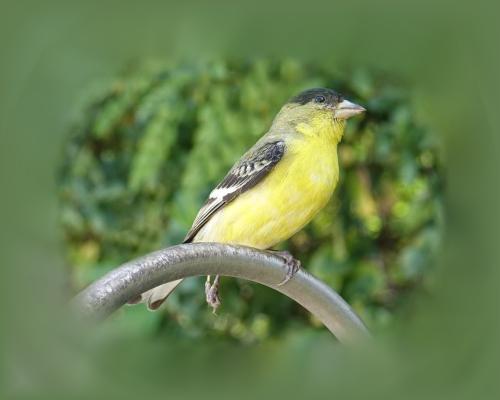
- mallard
- wild boar
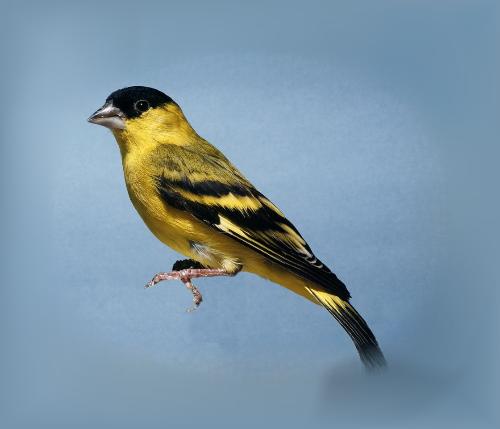
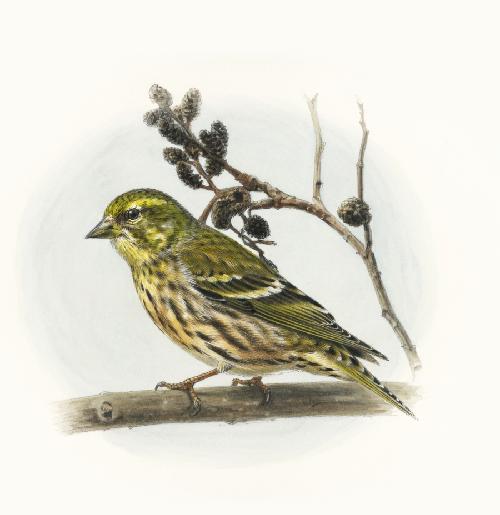
- eurasian siskin
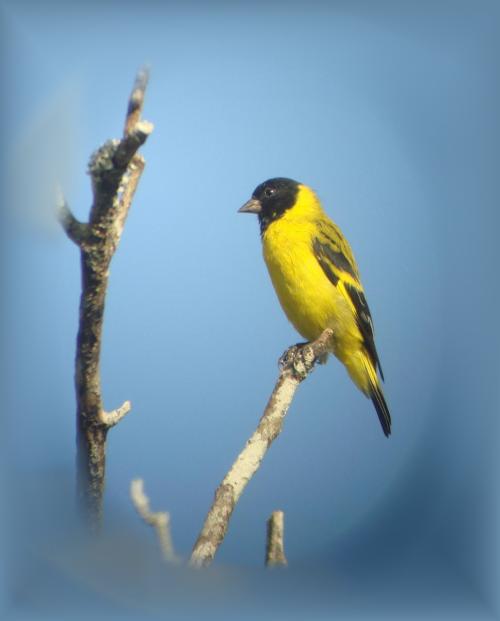
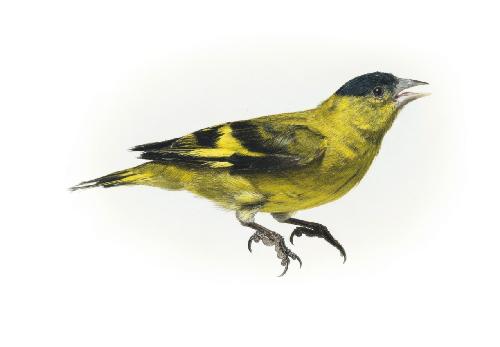
- Black-headed Siskin
- olivaceous siskin
- eurasian siskin
- eurasian siskin
- eurasian siskin
- eurasian siskin
- eurasian siskin
- eurasian siskin
- eurasian siskin
- hooded siskin
- eurasian siskin
- tibetan serin
- andean siskin
- yellow-bellied siskin
- saffron siskin
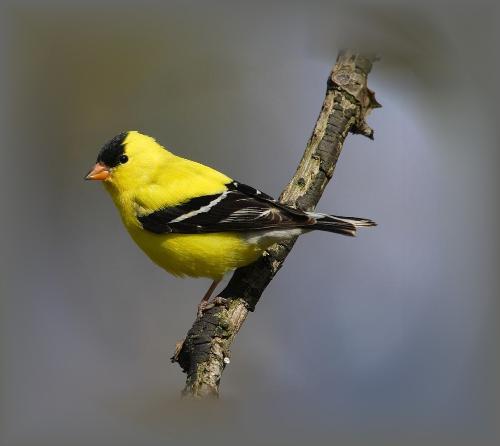
- lawrence's goldfinch
- brown lipped snail
Find your most suitable archetypes
Archetypes are facets of personality and behaviour: sometimes a hamster, sometimes a lion. Take a test for yourself, a friend or a pet.