









The “namaqua dwarf adder” archetype
Cultural context
African adders lie like small stones in the red dust of the Namib, scarcely noticed until a shadow crosses them. Across the Kalahari and the thorn-scrub coasts, people read the adder’s stillness as a warning to tread softly and speak with care; its bite carries the same sudden silence that ends a careless step. Tales from Angola to the Cape call the adder a keeper of thresholds, the unseen sentinel between daylight paths and the hidden places where water and danger both lie coiled.
Scales
Tradition sees in the adder a mind that lingers over patterns: it traces the faint press of paws, the shift of wind across sand, and reads tomorrow’s danger in yesterday’s dust. Reverence for the forbidden clings to its shadow; people sense a boundary they should not cross, a power that is not theirs to name. Yet the same creature moves toward new ground when the rains come, testing each hollow with unhurried curiosity, while its loyalty stays fixed to the narrow strip of earth it already knows.
Core traits
Baseness and ominousness shape the adder’s core. Fear of its own smallness keeps it ready to strike from cover or slip away unseen; the low worth it grants itself turns every meeting into a wager of trust. At the same time its presence raises the hairs on the neck, a living alarm that makes others pause, glance twice at the ground, and remember that some silences hold teeth.
Strong traits
Wisdom, fickleness and cunning travel together in the adder’s coils. Years spent under the same thorn bush teach it the exact hour when prey passes and when the hawk shadows the sand; yet a sudden shift in temperature sends it sliding to a new patch without hesitation. It finds routes around obstacles—a lifted rock, a sleeping rival—never meeting force head-on, always arriving where it is least expected.
Noticeable traits
Death moves through the adder like a cool current under warm sand. It ends the life of a lizard in one swift puncture, then lies still while the body cools, accepting the cycle without haste or regret. The same instinct can close a chapter too soon: a burrow abandoned after one season, a hunting ground left before its time, the mark of a creature that knows endings as surely as it knows its own skin.
How to be around
To live beside an African adder, watch where the ground changes colour and keep your own footfalls light. Offer no sudden movement; let the silence between you remain whole until the adder itself decides its length.
With a woman
A woman who carries the adder’s temper weighs each word like a scale before it leaves her tongue. She notices the smallest shift in your posture and stores it against later need; if she senses an advantage slipping, she may withhold the truth or steer the conversation toward safer ground. Give her time to finish her own analysis before you speak again, and name the facts plainly so she can test them herself.
With a man
A man who moves like the adder keeps certain places in his life marked as untouchable. He reads an ordinary request as a possible trespass and answers with measured stillness rather than refusal. Respect the boundary he does not name; speak of it only when he brings it forward, and never step across it even in jest.
With a teenage boy
A teenage boy with the adder’s patience will sit for an hour tracing the same lizard trail across a rock. He waits for proof before he risks a step, and proof can take days. Ask what he has already noticed instead of urging him to act; his answer will show the inner thread he follows, and the question itself becomes part of the bond.
With a teenage girl
A teenage girl whose temper follows the adder can change plans between one breath and the next when a new opening appears. She tests each fresh idea the way the snake tests a new burrow, quick to enter and quick to leave if the air feels wrong. Offer her the chance to rename the day’s plan without needing to defend the old one, and she will carry the new direction as her own.
With a child
A child who shares the adder’s cunning watches the room before choosing a seat. He finds the corner where no one’s shadow falls across him and keeps a small object hidden in his pocket for later barter. Let him keep that corner and the object; praise the quiet way he noticed the safest place, and he will offer the same watchfulness on your behalf when he is older.
With an animal
An animal that carries the adder’s sense of endings will leave a favoured basking stone the moment the season turns, even if the stone is still warm. It does not linger for company it has already measured. Place fresh water where the old stone stands and do not call it back; the simple offering lets it know the cycle is respected, not contested.
After a quarrel
An African adder meets conflict with silence that lengthens until the other party grows restless and breaks it first. A woman will answer a direct question with a question that leads elsewhere; a man will answer with stillness that leaves the challenger talking to air. A teenage boy will smile at the wrong moment, turning the quarrel into something lighter than it was meant to be. A teenage girl will change the subject to tomorrow’s plan before today’s grievance is settled. A child will simply move to another room without announcement. An animal will coil tighter and cease all movement, a living rebuke that cannot be argued with.
How to befriend
Friendship with an African adder grows in the space left between two careful presences. A woman accepts a single useful fact offered without request and remembers it weeks later. A man allows you to share the same patch of shade without needing to name the act a favour. A teenage boy keeps a promise about a small thing and waits to see whether you keep yours. A teenage girl lets you see the next plan she has already changed twice. A child shows you the object he keeps hidden and does not take it back. An animal stays on the far side of the offered water instead of retreating farther, a quiet acceptance measured in inches rather than words.
Similar archetypes
Close facets: images with a similar set of qualities.
- horned desert viper
- Rhinoceros viper
- lataste's viper
- copperhead
- asp viper
- gaboon adder
- mamushi
- godman's montane pitviper
Complete opposite
The opposite facet: images whose qualities point the other way.
- mallard
- wild boar
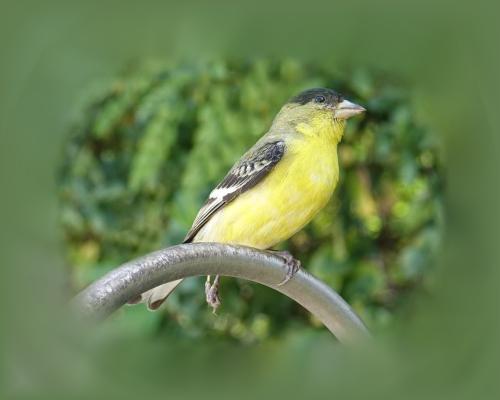
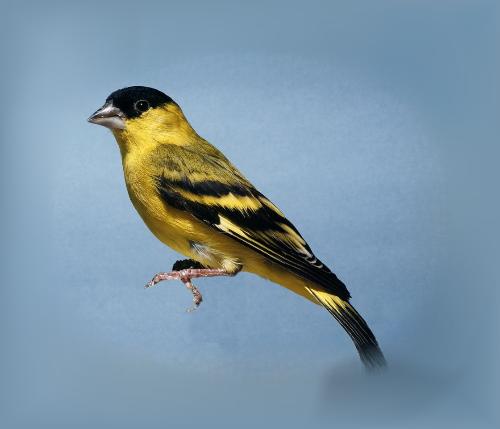
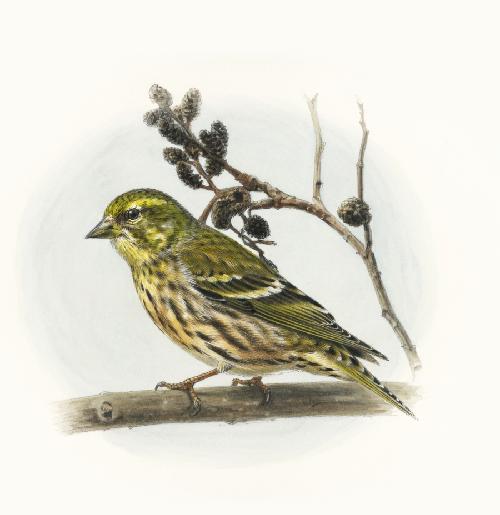
- eurasian siskin
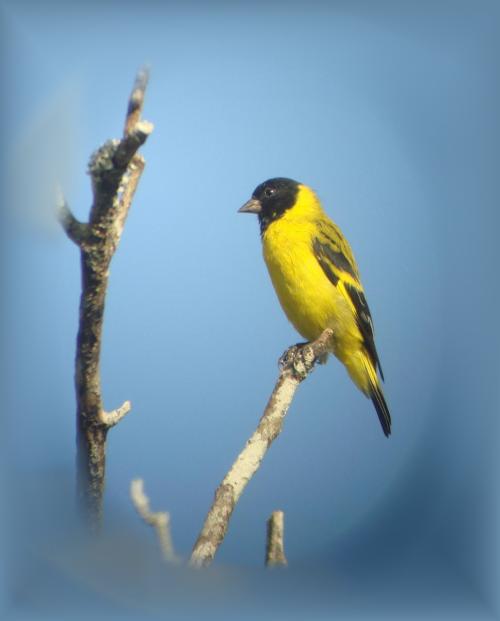
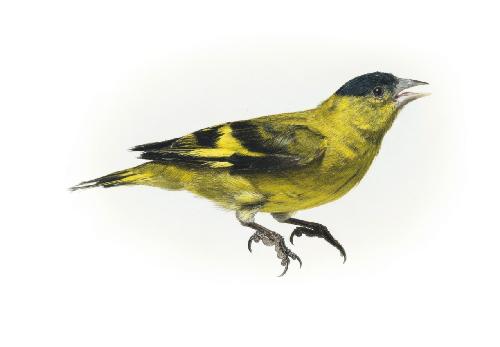
- Black-headed Siskin
- olivaceous siskin
- eurasian siskin
- eurasian siskin
- eurasian siskin
- eurasian siskin
- eurasian siskin
- eurasian siskin
- eurasian siskin
- hooded siskin
- eurasian siskin
- tibetan serin
- andean siskin
- yellow-bellied siskin
- saffron siskin
- lawrence's goldfinch
- brown lipped snail
Find your most suitable archetypes
Archetypes are facets of personality and behaviour: sometimes a hamster, sometimes a lion. Take a test for yourself, a friend or a pet.