









The “nose-horned viper” archetype
Cultural context
Across the arid cradles where the nose-horned viper rests, its horn catches the light like an ancient emblem set in living bronze. Villagers and storytellers alike read the same warning in its quiet coils: it marks the line between shelter and danger, between what may be approached and what must be left untouched. Tales speak of the serpent as a silent sentinel whose venom punishes the reckless and whose stillness guards the secret places of the earth. The horn itself, a sharp curve of bone above the nostril, becomes a sign of sharpened watchfulness, a reminder that boundaries once crossed cannot be reclaimed without cost.
Scales
Within these traditions the horned viper moves beneath a heavy sense of the forbidden, its very stillness drawing the gaze toward what lies out of reach. It studies every shadow and every footfall with a depth of thought that feels almost deliberate, turning each encounter into a slow, inward weighing of risks. A current of empathy runs beneath that measured gaze, a fine sensitivity born of watching fragile lives begin and end in the same stretch of sand. Yet the snake also holds a private longing for what is new, a restrained curiosity that flickers when a stranger’s scent drifts across its scales.
Core traits
At the heart of the horned viper lies a baseness that grows from old fear and shows itself in sudden, hidden strikes meant to protect its shrinking ground. The same fear can twist trust into suspicion, so the snake often waits until others expose a weakness before it acts. At the same time its presence carries an ominousness that spreads like twilight, turning ordinary air into something charged and still. Those who feel that chill learn to stay alert, for the viper’s stillness itself speaks of endings that may arrive without warning.
Strong traits
Wisdom gathers slowly in the horned viper, the fruit of long hours spent motionless while others hurry past. It reads the hidden order in each shift of temperature and scent, yet its patience can turn into hesitation when a choice must be made. Fickleness rides alongside that caution: the viper can abandon one sun-warmed stone for another without regret, changing direction as soon as the air cools. Cunning supplies the final edge, letting the snake slip around obstacles rather than meet them head on, choosing the quiet route that leaves no trace of its passage.
Noticeable traits
Death travels with the nose-horned viper as an accepted season rather than a threat, a quiet knowledge that every cycle of heat and cold must close. The snake does not seek endings, yet it accepts them without struggle, allowing a dried burrow or a spent season to fall away so the next may begin. This calm acceptance lends weight to its presence, reminding those nearby that nothing stays unchanged under the same stretch of sky.
How to be around
To share space with a horned viper, speak plainly and keep every movement within its sight. Offer no sudden gestures, no hidden meanings; let the animal or the person read your intentions in the open light before any trust can form.
With a woman
When a woman carries the horned viper’s mark, listen for the small retreats that follow any hint of deceit; she has learned to guard against betrayal born of fear. Engage her intellect by examining a problem together, tracing each step aloud so she can weigh it without pressure. If she withdraws, give her time to test whether your words match your actions before you ask for closeness again.
With a man
A man who moves like the horned viper keeps watch over what others overlook, sensing danger long before it arrives. Treat the boundaries he draws as sacred ground; do not step across them without invitation. When he grows distant, acknowledge the weight of what he protects rather than urging him to set it aside.
With a teenage boy
A teenage boy with the horned viper’s patience will linger at the edge of a decision, turning it over until every risk is clear. Ask him what meaning he finds in the choice, and let the answer form slowly without hurry. His bond with the world grows stronger when he is allowed to name it himself.
With a teenage girl
A teenage girl who shares the horned viper’s quick shifts may change her plans before the first step is finished. Welcome each new interest without demanding she finish the last, and she will return when the moment feels right. Her curiosity stays alive as long as it meets no fixed expectation.
With a child
A child who carries the horned viper’s cunning watches the room before choosing where to play, finding the path that avoids both scolding and boredom. Offer a single new object and step back; the child will discover its use without instruction. Old rules are respected only when they still fit the game at hand.
With an animal
An animal horned viper ends one resting place when the sand cools and moves to the next without ceremony. Keep its enclosure unchanged until it chooses to leave, then let the old corner stay empty. It will settle again when the cycle feels complete and no hand forces the change.
After a quarrel
The horned viper answers pressure with stillness that grows heavier the longer it is pushed. A woman will meet mockery with a silence that leaves the speaker exposed; a man will answer any public slight by withdrawing every further word. A teenage boy turns a joke against the joker and walks away; a teenage girl changes her story so the quarrel has no fixed target left to strike. A child hides a favourite object the moment it is demanded; an animal simply coils tighter until the disturbance passes.
How to befriend
The horned viper grants closeness only to those who place no claim upon its time or ground. A woman warms when her judgment is trusted without argument; a man stays near when his watchfulness is met with calm rather than questions. A teenage boy draws closer after a shared silence; a teenage girl returns after a plan is allowed to change. A child lingers when a new game appears without rules; an animal accepts a steady hand once its own rhythm has been learned.
Similar archetypes
Close facets: images with a similar set of qualities.
- horned desert viper
- Rhinoceros viper
- lataste's viper
- copperhead
- asp viper
- gaboon adder
- mamushi
- godman's montane pitviper
Complete opposite
The opposite facet: images whose qualities point the other way.
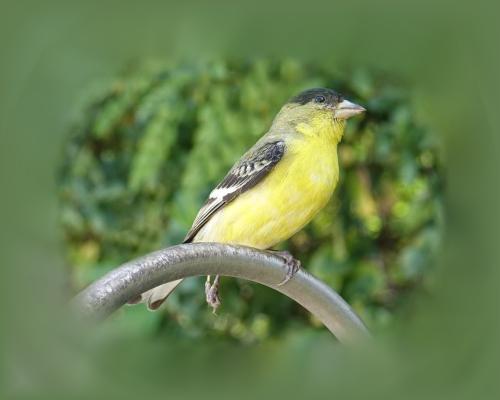
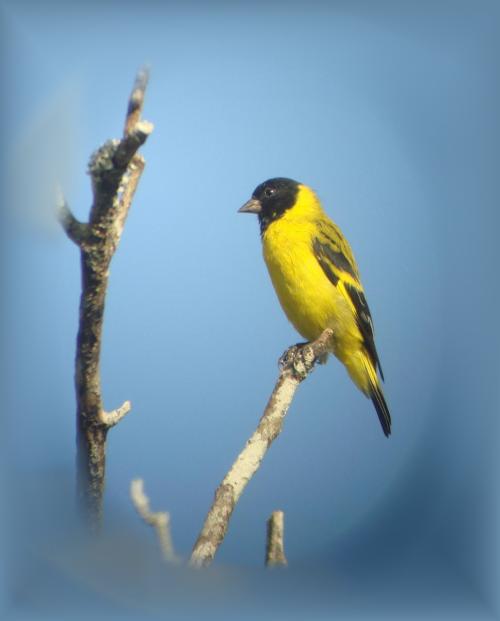
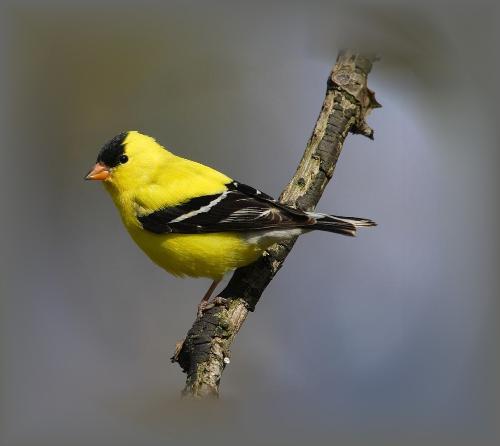
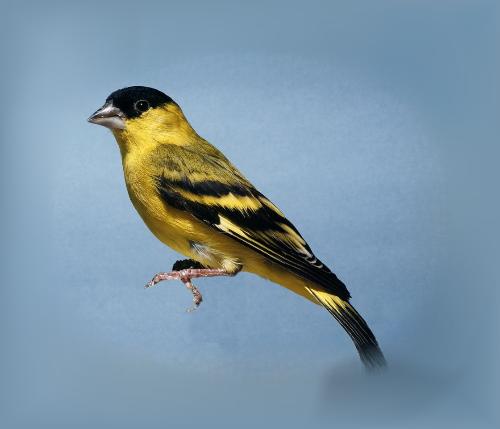
- mallard
- wild boar
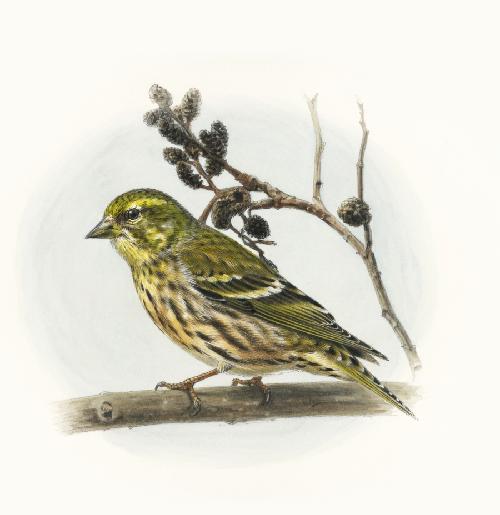
- eurasian siskin
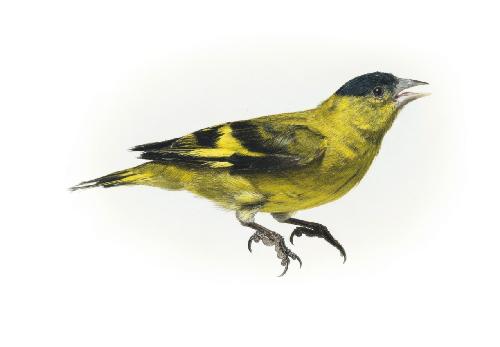
- Black-headed Siskin
- olivaceous siskin
- eurasian siskin
- eurasian siskin
- eurasian siskin
- eurasian siskin
- eurasian siskin
- eurasian siskin
- eurasian siskin
- hooded siskin
- eurasian siskin
- tibetan serin
- andean siskin
- yellow-bellied siskin
- saffron siskin
- lawrence's goldfinch
- brown lipped snail
Find your most suitable archetypes
Archetypes are facets of personality and behaviour: sometimes a hamster, sometimes a lion. Take a test for yourself, a friend or a pet.