









The “orsini's viper” archetype
Cultural context
The orsinis viper coils across the Hungarian steppes and the memories of every people who have walked that golden expanse. Romani storytellers describe its patience when frost hardens the grass at dawn, while farmers who still cut hay with scythes remember the sudden rustle that makes a horse shy. In both traditions the snake stands for the slow gathering of strength, the knowledge that endurance can outlast winter and hunger alike. Its markings, a row of dark chevrons against pale scales, echo the stripes of light that cross the plain at sunset, and this image is passed from grandparent to child as proof that beauty may live inside danger. The viper’s refusal to strike unless provoked is taken as a lesson in thrift: energy spent is energy gone, and nothing wasted keeps the body alive when prey grows scarce.
Scales
In the same traditions the orsinis viper moves like a thought that has already counted every exit. Its gaze lingers on the slightest shift of shadow, reading threat or chance the way a tracker reads bent stems. At the same time, an old taboo surrounds it: children are taught not to step across its track at noon, for the ground itself seems to remember where the serpent passed. This sense of the forbidden threads through every story, turning the creature into a living border between the safe and the perilous. The viper rarely wastes motion, yet every pause feels deliberate, as though it listens for a hidden rhythm beneath the wind. Such habits weave a quiet reverence around it, a belief that meaning hides in stillness and that the patient watcher may one day see the pattern whole.
Core traits
Baseness and ominousness form the twin heartbeat of the orsinis viper. When threatened, it will feign retreat only to coil again in silence, a movement born of fear yet sharpened into calculated deceit. The same fear feeds an aura that warns others away before any blow lands; a single hiss can empty a path. Yet the darkness carries its own lesson: every false strike teaches the snake how honesty might serve survival better, and the next encounter may find it still rather than striking. The threat it carries is therefore double-edged, a reminder that suspicion can preserve life and that life itself can wear the mask of menace.
Strong traits
Wisdom, fickleness and cunning braid together in the orsinis viper’s daily hunt. It learns from every failed strike where the shrew hides its tunnel, yet the same memory can be discarded the moment a beetle crosses its path. In one breath the serpent lies motionless like a fallen twig, in the next it veers toward an unexpected rustle, abandoning the earlier plan without regret. Its tongue tastes air in delicate flicks, turning scent into strategy, guiding the body past obstacles that would trap a blunter hunter. This quick pivot keeps the viper alive where steadier creatures starve, though it also leaves tracks that cross and double back, a map only the snake itself can read.
Noticeable traits
Death walks beside the orsinis viper as a quiet accountant. It ends the life of a vole with a single measured bite, then slides away before the body cools, leaving the grass to reclaim what remains. The same instinct tells the snake when an old burrow has outlived its use; it abandons the tunnel without ceremony and seeks another, accepting that every shelter is borrowed. Observers notice how the viper never lingers over a finished meal or a discarded skin; once the task is done, the chapter closes. That habit of clean severance marks the creature as both midwife and mourner of endings, a living calendar of when to begin again.
How to be around
To meet the orsinis viper on its own ground, begin with silence and watch the angle of its head. Offer no sudden reach; instead, let your stillness answer its stillness until the air between you settles like dust after wind.
With a woman
A woman who carries the orsinis viper’s temper keeps her own counsel until fear loosens her tongue into half-truths. Sit where she can see your hands, speak the facts without varnish, and let her weigh each word in private before she answers. When she tests your loyalty with a small, needless secret, answer plainly rather than probing; the gesture shows her that trust need not be earned through surrender.
With a man
A man who shares the orsinis viper’s sense of the forbidden marks every threshold with invisible lines. Approach only after he has granted passage by a slight tilt of the chin; once inside, do not rearrange anything he has placed. If he grows still at an unexpected question, retreat without comment; the pause itself is his warning that the ground has become sacred.
With a teenage boy
A teenage boy marked by the orsinis viper’s wisdom pauses at every fork in the trail, measuring risk against remembered frost. Let him name the danger aloud before you suggest a route; his caution is not hesitation but the slow turning of experience into choice. Offer one new fact at a time, then step back so the thought can settle without the pressure of an audience.
With a teenage girl
A teenage girl who moves with the orsinis viper’s fickleness discards yesterday’s plan the moment a brighter path appears. Notice when she changes direction without announcement, and treat the shift as weather rather than betrayal. Ask what drew her onward, not why she left the old plan behind; curiosity keeps the door open where judgment would close it.
With a child
A child touched by the orsinis viper’s cunning watches the room like a chessboard, moving only when the pattern favors advance. Place a single puzzle piece slightly out of reach and let the child discover the solution alone; praise arrives after the move, not before. If the child clings to a familiar toy while testing a new game, accept the loyalty as part of the day’s rhythm rather than resistance.
With an animal
An animal bearing the orsinis viper’s awareness of death will leave a favorite corner once the season changes and never return. Keep its retreat space untouched, and do not call it back; the departure itself is its way of honoring what has ended. When it reappears in a new patch of sun, greet the arrival with the same quiet respect you gave the leaving.
After a quarrel
The orsinis viper answers disruption with withdrawal that feels colder than any strike. A woman draws the line when laughter at her expense breaks the careful mask she wears; a man turns away if his private boundary is crossed in public view. A teenage boy bristles when a joke undercuts the gravity he has given to a plan; a teenage girl vanishes from a conversation the moment enthusiasm is mocked as inconsistency. A child withdraws a offered hand if a game is ended without warning; an animal coils and hisses when its resting place is stepped over without ceremony.
How to befriend
Friendship with the orsinis viper grows from steady proof that one’s own needs come first yet still leaves room for another. A woman warms when you remember her preferred hour of silence and do not fill it; a man stays near if you keep a promise made in passing. A teenage boy returns when you ask his opinion on a single detail instead of the whole design; a teenage girl lingers if you accept her sudden change of subject without complaint. A child trusts the hand that waits rather than reaches; an animal settles beside the person who never demands affection on arrival.
Similar archetypes
Close facets: images with a similar set of qualities.
- horned desert viper
- Rhinoceros viper
- lataste's viper
- copperhead
- asp viper
- gaboon adder
- mamushi
- godman's montane pitviper
Complete opposite
The opposite facet: images whose qualities point the other way.
- mallard
- wild boar
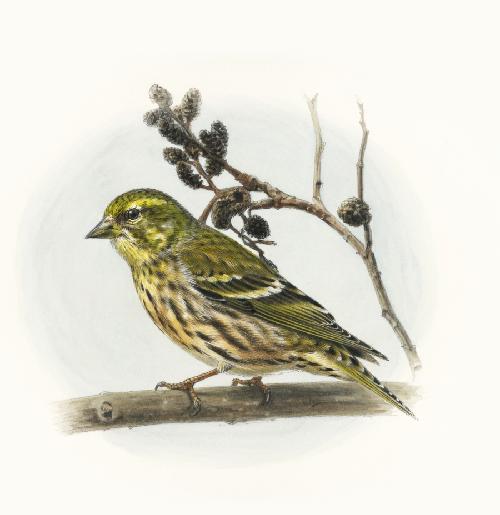
- eurasian siskin
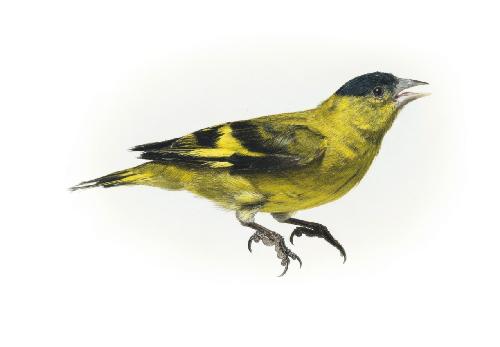
- Black-headed Siskin
- olivaceous siskin
- eurasian siskin
- eurasian siskin
- eurasian siskin
- eurasian siskin
- eurasian siskin
- eurasian siskin
- eurasian siskin
- hooded siskin
- eurasian siskin
- tibetan serin
- andean siskin
- yellow-bellied siskin
- saffron siskin
- lawrence's goldfinch
- brown lipped snail
Find your most suitable archetypes
Archetypes are facets of personality and behaviour: sometimes a hamster, sometimes a lion. Take a test for yourself, a friend or a pet.