







The “common pipistrelle” archetype
Cultural context
Across European folk memory the common pipistrelle slips through dusk like a living shadow between roof beams and moonlit eaves. Tales keep the creature at arm’s length, neither blessing nor curse, yet its fluttering passage over village lanes lingers in the mind like the echo of an unsaid warning. In these stories the pipistrelle is the one who hears the night’s hidden dealings and answers with silence, binding its colony together while keeping strangers at a wary distance.
Scales
European tradition casts the pipistrelle as an explorer of the unsaid, forever tasting the edge between the ordinary and the taboo. Its thought cuts straight to the marrow of any riddle, while its temper flares when pressed into daylight company; it drifts from the crowd yet still listens to every murmur, weighing its own fragile frame against the weight of others’ expectations.
Core traits
Deep in the pipistrelle’s core runs a thread of baseness, born from fear and quick to seek advantage. A sudden change in the wind can turn the creature from watchful companion to secret schemer, striking bargains only it understands. The same fear, however, can drive it toward the harder honesty that restores broken trust within the colony.
Strong traits
Nocturnal Essence keeps the pipistrelle alert when the rest of the world sleeps, its wings writing silent maps across the dark. Ominousness trails after it like cold air from an open crypt, warning others before they draw too near. Manipulativeness lets the pipistrelle steer colony decisions with the lightest touch, while the scent of death allows it to sever ties and begin again without regret.
Noticeable traits
Echolocation carries the pipistrelle through pitch-black lanes on the bounce of its own voice, yet every rebound leaves a trace of doubt. Fickleness flickers through the colony like sudden gusts under the eaves, scattering plans before they settle into lasting shape.
How to be around
Meeting the pipistrelle asks for patience with its private rhythms and a readiness to speak softly when daylight crowds press close, like the moment a traveler pauses at dusk to hear faint wings brush the garden air before the street lamps flare.
With a woman
A woman bound to the pipistrelle carries fear like a hidden coin, trading it for cunning when trust feels scarce. She may test loyalty with small deceptions, then grow still when met with steady, open answers that prove no one seeks to corner her.
With a man
A man of the same temper prefers the hush after midnight, when sacred boundaries feel clearest and the ordinary day has lost its grip. Sit with him in that quiet without naming what is forbidden, and the conversation finds its own gravity.
With a teenage boy
A teenage boy draws others into uneasy silence simply by watching from the doorway. Offer him space to trace his own questions about the unseen world, yet stay near enough that his loneliness does not harden into lasting withdrawal.
With a teenage girl
A teenage girl reads the room before she speaks, steering talk toward the outcome she prefers. When stubborn words rise, listen for the hidden bargain she seeks rather than meeting her head-on; the quarrel dissolves once she feels her influence respected.
With a child
A child ends games abruptly when something older and finished calls from the corner of the room. Let the ending arrive without protest, then help gather the pieces for whatever comes next, trusting that their care for themselves will soften into shared play again.
With an animal
An animal answers every rustle with a fresh burst of clicks, mapping safety before it rests. Play lightens the constant checking, and a gentle hand offered at the right moment reminds it that not every echo needs suspicion.
After a quarrel
The common pipistrelle turns sharp when plans shift faster than its wings can follow. A woman grows distant if her latest scheme is dismissed too soon; a man bristles when his night-long calculations are dragged into daylight argument. A teenage boy storms off if his newest fascination is mocked, while a teenage girl shuts every door once her influence feels questioned. A child drops everything when routines are broken without warning, and an animal flees at the first sign that its fragile map of safety has been torn.
How to befriend
Friendship with the pipistrelle grows where old expectations are set aside and new questions are allowed to rise. A woman draws closer when her quick mind is met with honest curiosity instead of suspicion; a man stays when silence is kept between words rather than filled with chatter. A teenage boy lingers if his private observations are treated as worth hearing, and a teenage girl remains when her shifting interests are given room to settle. A child trusts the one who lets endings happen without hurry, and an animal returns to the same quiet corner once it learns the hand there offers neither trap nor demand.
Similar archetypes
Close facets: images with a similar set of qualities.
- false bat
- pygmy pipistrelle
- common pipistrelle
- serotine
- natterers bat
- brandt's bat
- common bentwing bat
- mouse-eared bat
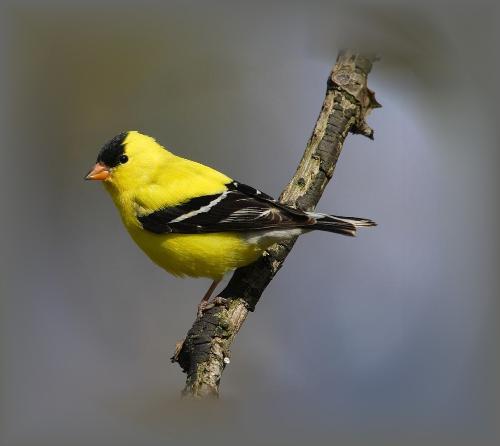
Complete opposite
The opposite facet: images whose qualities point the other way.
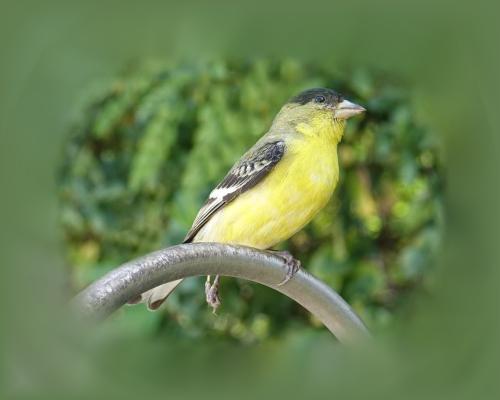
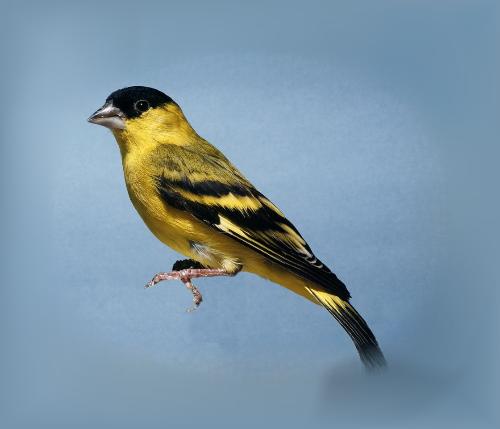
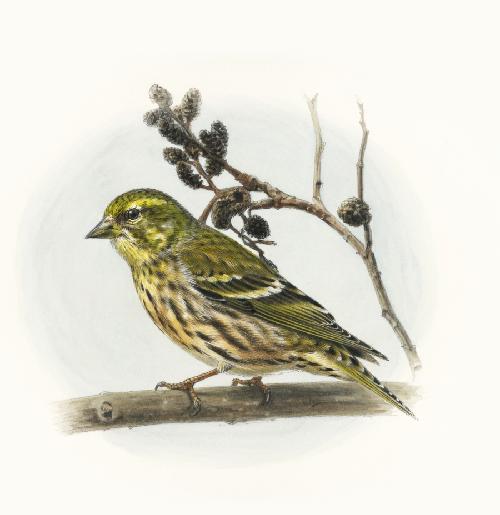
- eurasian siskin
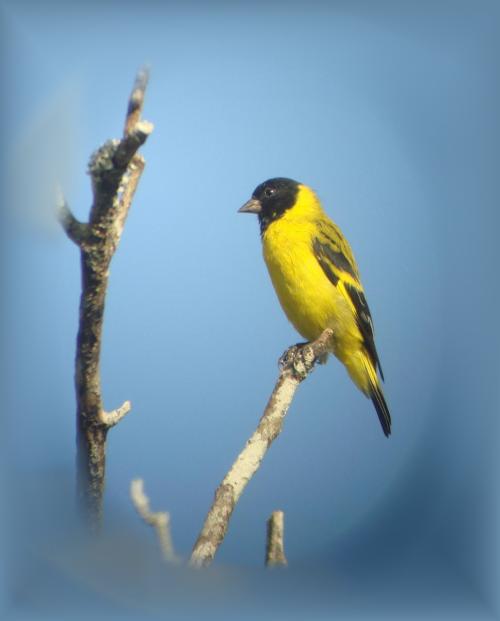
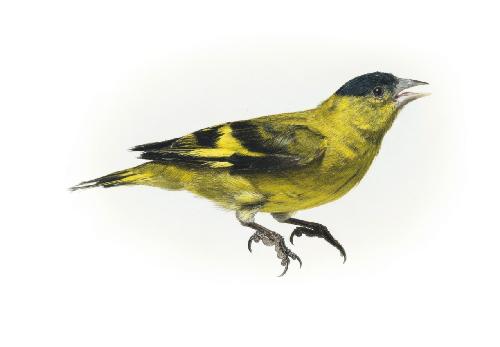
- Black-headed Siskin
- olivaceous siskin
- eurasian siskin
- eurasian siskin
- eurasian siskin
- eurasian siskin
- eurasian siskin
- eurasian siskin
- eurasian siskin
- hooded siskin
- eurasian siskin
- tibetan serin
- andean siskin
- yellow-bellied siskin
- saffron siskin
- lawrence's goldfinch
Traits and their opposites
Each trait of this archetype — and what is opposite to it.
- Nocturnal Essence ↔ Diurnal Essence
Find your most suitable archetypes
Archetypes are facets of personality and behaviour: sometimes a hamster, sometimes a lion. Take a test for yourself, a friend or a pet.