










The “giant moray” archetype
Cultural context
Across the reef-shadows of Pacific islands the common morays coil in coral hollows like living knots of tide. Islanders watch the slow pulse of gills behind a rock, hear the quick slap of water when the eel strikes at passing prey, and carry those movements into tales of unseen guardians. A fisherman learns that the moray does not chase praise or offerings; it answers only the rhythm of currents and the smell of a fresh wound in the reef. Children are warned to keep their hands inside the canoe when dusk turns the water black, for the eel’s loyalty belongs first to the cave it has chosen, not to the voices that call from shore.
Scales
Stories picture the common morays as creatures that turn every chance toward their own ledge, eyes fixed on whatever scrap of advantage the tide might carry in. They distrust the open reef, prefer the narrow tunnel, and yet still lift their heads at the glitter of a silver school flashing past. Calm water above, restless calculation below—that is how island lore draws them: never far from the thought of what might be seized, yet able, now and then, to linger in a stranger’s glance without retreating at once.
Core traits
Baseness runs through the common morays like the dark current inside a coral pipe. They slip forward only when they sense gain, coil back when the risk shifts, and leave behind the faint scent of broken trust in the sand they stir. The same instinct that drives them to ambush a wounded fish can teach them, after many seasons, to stay their strike and share the shelter of their cave with another that has proved steady.
Strong traits
Fickleness keeps the common morays shifting like water that finds a new crack each tide. One moment they rest in a crevice they have guarded for weeks; the next they glide toward an unfamiliar ledge because a drifting fragment of light caught their eye. Plans made at dawn dissolve by dusk, yet this same quick change lets them ride the sudden storm that would trap a steadier creature inside its chosen hole.
How to be around
Approach a common moray by moving as slowly as the turning tide and by keeping every gesture in plain sight. Sudden reaches or loud claims send the body back into darkness; steady presence, offered without demand, may bring the head out again.
With a woman
A woman keeps one eye on every exchange, measuring whether her effort will be returned or quietly taken. When she senses the balance tipping she may veil her next move behind another request or a sudden silence. Offer her instead a clear record of what each person carries and what each receives; name the numbers aloud so she can weigh them without guessing at hidden losses. Let her test a small shared task where the outcome shows at once, and she may lower the guard she raises whenever past favors have vanished without trace.
With a man
A man turns at the first hint that someone else’s plan now steers his own. He answers a fixed schedule with another route, a promised meeting with a later arrival. Ask what new opening he sees in the work at hand, then step aside while he redraws the line; the quarrelsome streak softens once he feels the choice returning to his own fins.
With a teenage boy
A teenage boy measures every offer against the cost to his own narrow ledge. He will test whether help arrives only when it costs the giver nothing. Place the tool or the map within reach and leave without watching him take it; the gesture that asks nothing in return slips past the gate he keeps shut against claims that might later be called debts.
With a teenage girl
A teenage girl lets her attention drift when order is pressed upon her too soon. She may leave a corner of the task half-finished simply because the next bright fragment drew her eye. Hand her one clear limit at a time and let the rest stay scattered until she gathers it herself; the careless edge rounds when the shape of the day is allowed to form around her rather than over her.
With a child
A child follows the nearest moving shape until another calls louder. At the same moment a scraped knee or a dropped shell can pull all thought toward the small hurt or the sudden find. Stay beside the moment they notice, name the sting or the color without hurrying them forward, and the next step becomes theirs to choose once the feeling has settled.
With an animal
An animal that once learned a new hiding place will seldom return to the old one even when the tide restores it. Yet a sudden glint of light or the click of a shell can still draw it into a brief, bright chase around the rock. Keep the new shelter ready and drop a single moving lure now and then; the break with yesterday stays, while the flicker of play keeps the body from vanishing altogether.
After a quarrel
A quarrel begins when someone reaches for what the common morays already count as theirs. A woman will add one more task to the pile until the load itself becomes the argument. A man will answer any claim with another plan that quietly cancels the first. A teenage boy will meet the dispute with silence and a slow retreat to deeper water. A teenage girl will scatter her attention across three small distractions until the point is lost. A child will grip the disputed object and simply wait, eyes on the floor. An animal will slide into the narrowest crack and leave only the faint ripple of disturbed sand to mark where the talk ended.
How to befriend
Friendship grows where the common morays meet something they have not yet turned over in their own light. A woman may accept a fresh route through the reef if it is shown without being named a gift. A man may stay longer in company once the conversation turns to a detail he has never examined before. A teenage boy may answer a single open question if the answer is not required at once. A teenage girl may keep a new object near her ledge if no one asks what she intends to do with it. A child may share the next small discovery if the listener waits until the story arrives by itself. An animal may rest in view of the newcomer if the space around the new shelter remains unchanged for several turns of the tide.
Similar archetypes
Close facets: images with a similar set of qualities.
Complete opposite
The opposite facet: images whose qualities point the other way.
- Quail
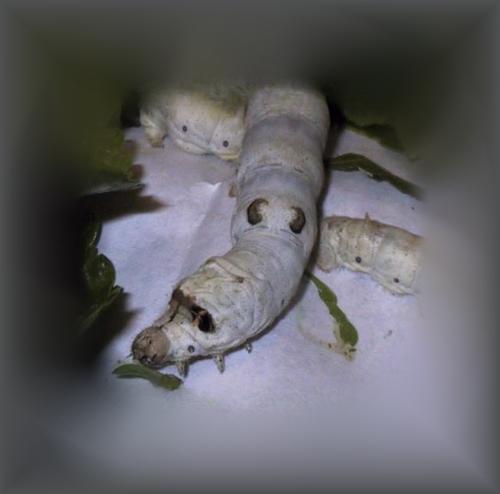
- Silkworm
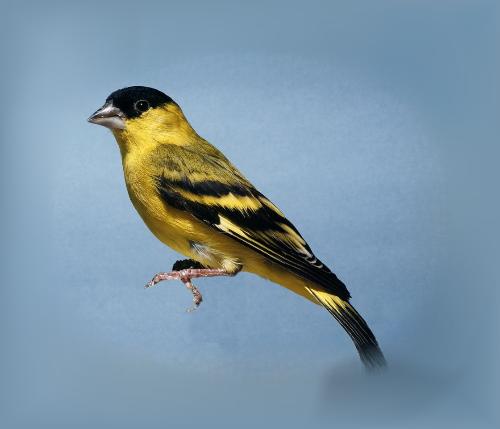
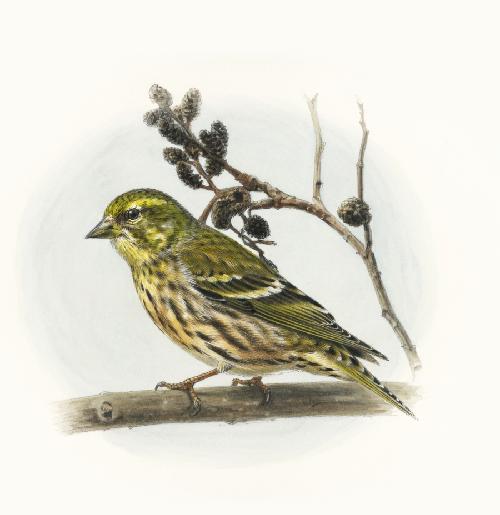
- eurasian siskin
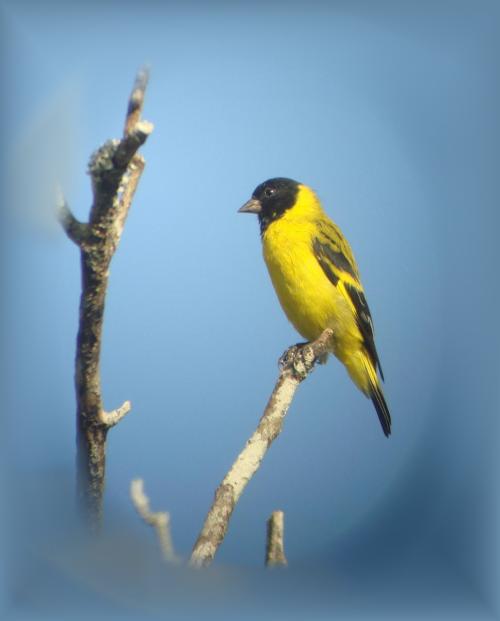
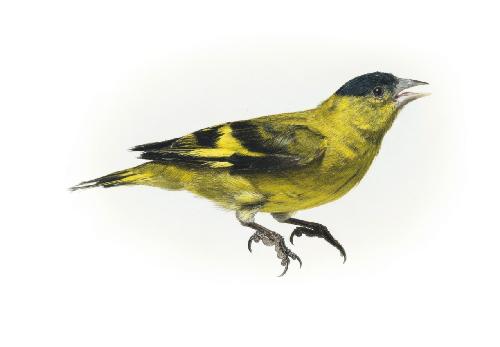
- Black-headed Siskin
- olivaceous siskin
- eurasian siskin
- eurasian siskin
- eurasian siskin
- eurasian siskin
- eurasian siskin
- eurasian siskin
- eurasian siskin
- hooded siskin
- eurasian siskin
- tibetan serin
- andean siskin
- yellow-bellied siskin
- saffron siskin
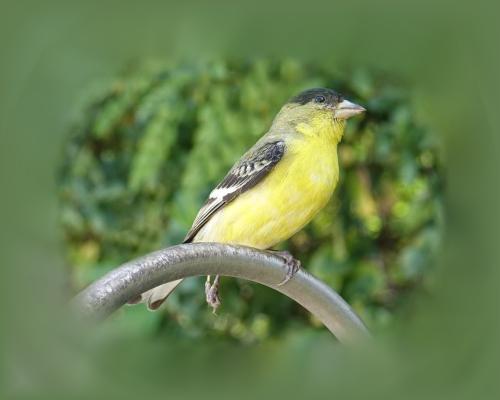
- lawrence's goldfinch
- mallard
- European Badger
- Sheep
- Nightingale
- brown lipped snail
- Panda
- Koala
- Salmon
- Apple snail
- Mussel
- Spotted salamander
Find your most suitable archetypes
Archetypes are facets of personality and behaviour: sometimes a hamster, sometimes a lion. Take a test for yourself, a friend or a pet.