










The “laced moray” archetype
Cultural context
In Pacific reef-lore, common morays glide through coral shadows like threads of living dusk. Fishermen speak of them as keepers of hidden passages, creatures that watch the tide for hours before darting forward to seize the moment’s chance. Their patience feels less like stillness and more like coiled intention, a silent bargain struck between hunger and concealment. Where stories gather, the laced eel stands for those who wait until the surface ripples with opportunity, then strike with sudden grace. The same watchers admire a rarer tenderness: once a moray accepts a diver’s presence near its cave, it may linger, offering a flick of spotted flank in what seems almost recognition.
Scales
Tradition reads the common moray through an unblinking honesty-humility that tilts toward cunning and a quiet greed for advantage, a creature that feels entitled to whatever shelter or prey drifts within reach. Yet alongside that sharpness runs a fierce streak of quarrelsomeness and stubbornness, an unwillingness to yield space even when the current shifts. Self-sacrifice appears only as self-first, a quick retreat into stone rather than shared risk. Carelessness swims through its schedule, an indifference to orderly patrols, while conformity tugs it along the reef’s familiar routes until something novel glimmers at the edge of vision. Energy surfaces mainly in company, brief flashes of boldness when another shadow enters its grotto.
Core traits
Baseness threads the moray’s life like a hidden current beneath the sand. Fear of losing its narrow crevice drives it toward quick deceits: it may feign retreat, only to lash sideways and steal another’s meal. The broken trust shows in how it vanishes at the first sign of rivalry, leaving partners exposed. Yet the same fear occasionally cracks open into honesty; after seasons of solitary ambush it may linger beside a familiar diver, letting the mask of suspicion slip for a moment of unguarded stillness.
Strong traits
Fickleness moves through the moray’s day like shifting shafts of light across the reef. One instant it claims a crevice; the next it slides into an entirely new tunnel when the tide turns. Plans dissolve as fast as they form, and companions learn not to count on tomorrow’s den. The trait grants swift escape when danger rises, yet it also scatters every long-term bond across the coral, leaving only a trail of half-finished alliances.
How to be around
Approach a common moray by letting it first watch you from its doorway. Offer no sudden movement; simply remain in sight until its spotted length relaxes. Trust grows from repeated, wordless presence rather than persuasion.
With a woman
When a woman shaped by the laced moray’s temperament feels the old fear of scarcity rise, she may quietly redirect shared plans toward her own security. Offer her small, concrete proofs that resources are safe between you: divide tasks so neither carries the whole load, and speak plainly about what each gains. Such gestures steady the low self-worth that feeds her cunning, letting her guard drop without the sting of betrayal.
With a man
A man who carries the honeycomb moray’s restlessness will pivot from one scheme to another if pressure mounts. Meet each new plan with a single practical question rather than argument; the stubborn quarrel fades when he feels room to change course without losing face. Keep the conversation short so his attention does not drift to the next bright passage.
With a teenage boy
A teenage boy who has learned to place his own safety first may linger at the edge of any shared task. Invite him to name the single part he will handle, then let the rest belong to others. The invitation itself respects his caution without forcing generosity he does not yet trust.
With a teenage girl
A teenage girl whose days follow no fixed rhythm may leave a project half-finished when a newer distraction appears. Suggest one small, visible corner she can claim as her own, a ledge of order inside the general drift. The modest structure steadies the chaos without demanding a schedule she cannot keep.
With a child
A child who watches others before deciding may echo the last voice in the room. Ask what the friend across the table thinks, then ask again what the child notices for themselves. The double question plants a seed of private judgment while still honoring their wish to stay with the group.
With an animal
An animal-common morays may ignore an old feeding station once a newer current carries different scents. Move the dish a short distance each week rather than anchoring it forever; the small migration satisfies the break with habit while the occasional floating toy keeps the moment light.
After a quarrel
A quarrel with common morays begins when material advantage feels threatened and social poise is at stake. The woman withdraws her usual quiet support, leaving others to manage without her. The man questions every practical detail in public, turning routine talk into a test of authority. The teenage boy answers with quick sarcasm that draws laughter from onlookers. The teenage girl answers with sudden tears that shift sympathy toward herself. The child grows silent, radiating a wordless chill that makes the room feel smaller. The animal darts forward without warning, a single sharp nip before vanishing into rock.
How to befriend
Friendship with common morays forms when curiosity meets steady, unremarkable company. The woman warms when you bring news of an unfamiliar reef or tool she has never tried. The man stays close if you simply appear at the same hour each day without demanding conversation. The teenage boy lingers when you share a fresh game that changes rules midway. The teenage girl brightens if you admire a small change she made to her usual route. The child draws nearer when you follow their lead through the same tide-pool twice without hurrying. The animal edges forward once a new object, bright and harmless, rests just inside its cave mouth.
Similar archetypes
Close facets: images with a similar set of qualities.
Complete opposite
The opposite facet: images whose qualities point the other way.
- Quail
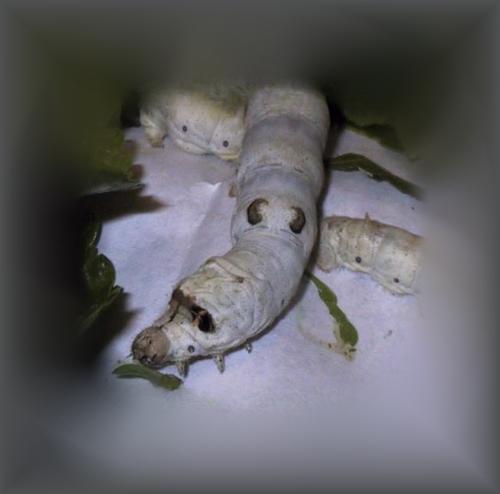
- Silkworm
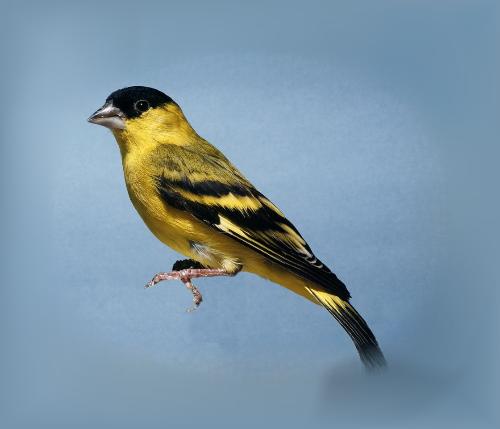
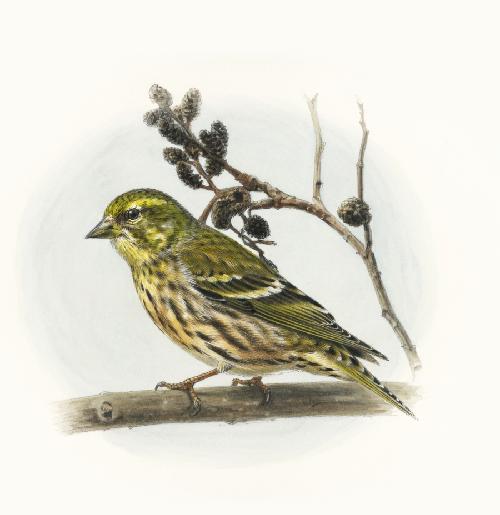
- eurasian siskin
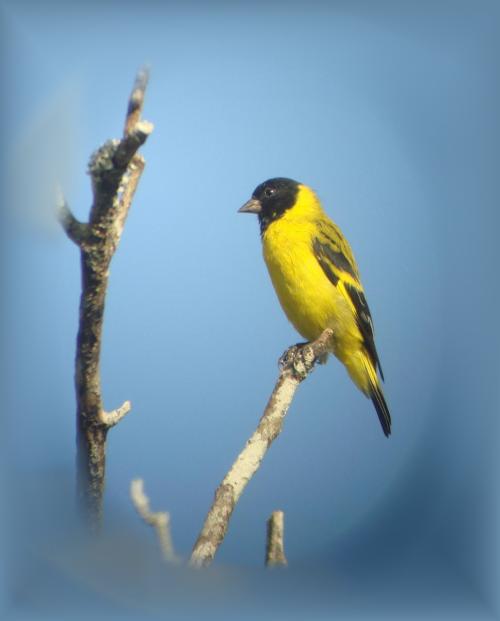
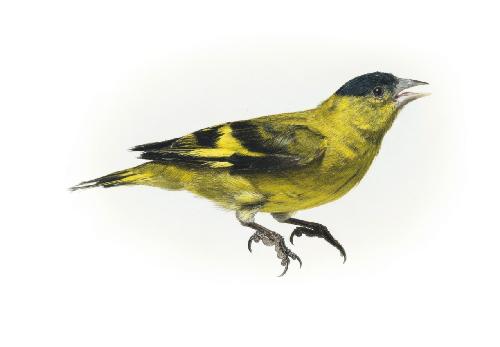
- Black-headed Siskin
- olivaceous siskin
- eurasian siskin
- eurasian siskin
- eurasian siskin
- eurasian siskin
- eurasian siskin
- eurasian siskin
- eurasian siskin
- hooded siskin
- eurasian siskin
- tibetan serin
- andean siskin
- yellow-bellied siskin
- saffron siskin
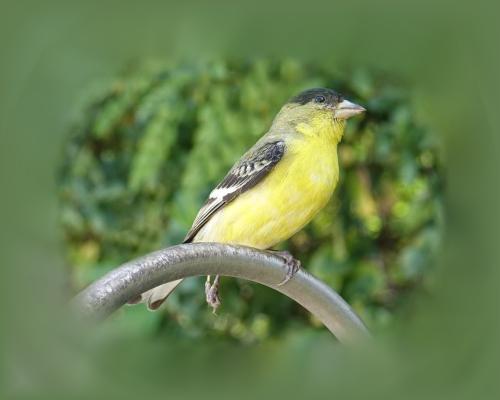
- lawrence's goldfinch
- mallard
- European Badger
- Sheep
- Nightingale
- brown lipped snail
- Panda
- Koala
- Salmon
- Apple snail
- Mussel
- Spotted salamander
Find your most suitable archetypes
Archetypes are facets of personality and behaviour: sometimes a hamster, sometimes a lion. Take a test for yourself, a friend or a pet.