










The “eel” archetype
Cultural context
Across the coral-ringed atolls and lava-blackened shores of the Pacific, the common conger slips between stories like a living shadow, guardian of what the waves conceal. Islanders tell how the eel coils in the mouth of a sea cave, listening to the long heartbeat of the tide, hoarding the secrets of drowned canoes and forgotten landfalls. Its spotted body blends with stone and coral, teaching that power waits unseen until the right current carries prey near enough to strike; wisdom in these waters flows from stillness rather than noise, from patience before the sudden lunge.
Scales
In these traditions the common conger reads as an animal steeped in cunning, greed and a sense of entitlement; it keeps what it finds and yields little ground. Quarrelsomeness and stubbornness surface whenever its lair is threatened, while its first care is always its own length and safety. Chaos and carelessness mark its restless patrols, and it follows the drift of schooling fish rather than charting its own course. It breaks with older reef customs whenever a new hiding place offers better advantage, yet it remains grounded in the practical business of hunger and survival, content with the tangible prize of a passing crab.
Core traits
Baseness lies at the heart of the common conger, born of the fear that any soft spot invites attack. It twists facts and hides its true length behind rocks, ready to trade another creature’s trust for an easy meal. That same low impulse can turn into a lesson in honesty: the eel that once betrayed a hiding place may later guard the entrance for the friend it finally allows inside, proving that even the darkest current can carry a cleaner truth if the animal learns to stop striking at shadows.
Strong traits
Fickleness keeps the common conger darting from one crevice to the next, changing direction with every shift of light or scent. One moment it lies motionless as coral, the next it surges after prey it ignored only heartbeats before. Such quicksilver plans let it seize sudden chances, yet they leave tunnels half-dug and alliances half-kept, so that a follower never knows whether today’s cave will still be home tomorrow or only another empty promise in the moving dark.
How to be around
Approach the common conger by moving as slowly as the turning tide; any sudden reach alarms it and the moment for trust slips away. Watch first, speak softly when it surfaces, and let the animal set the distance before you offer anything it might mistake for a trap.
With a woman
A woman who carries the common conger’s temper will withdraw into silence when she senses any risk of betrayal, so speak plainly and never press for promises she has not yet tested. Offer her a quiet corner where she can weigh her next move; once she feels safe from being used, the same wariness that once guarded her turns into steady loyalty toward those she has chosen to keep close.
With a man
A man shaped like the common conger changes course the instant a plan looks likely to fail, so give him room to pivot without argument. He will bristle if you insist on yesterday’s route, yet if you simply point out the new current he may turn and swim beside you, his stubborn streak now aimed at the shared goal instead of against it.
With a teenage boy
A teenage boy who moves like the common conger will first look after his own escape route before he considers anyone else’s comfort; ask him to help only after he has secured his own footing. When he sees that his safety is already assured, the same sharp instinct that once kept him apart begins to reach outward, checking that the rest of the group is still within reach.
With a teenage girl
A teenage girl with the common conger’s restlessness leaves half-finished sketches and half-told stories scattered behind her. Rather than scold the disorder, ask what caught her attention next; the question itself steadies the swirl of ideas and lets her turn scattered fragments into one clear pattern she is willing to finish.
With a child
A child who echoes the common conger watches the group before deciding where to stand, copying the nearest safe motion. Sit nearby without calling attention; your steady presence becomes the current the child follows, while a gentle question about how someone else might feel opens a small window of shared feeling inside the borrowed caution.
With an animal
An animal that carries the common conger’s markings will ignore any routine that once worked if a brighter lure appears, yet it still pauses for a sudden game with a dangling toy. Keep the old schedule loose and the new toy ready; the break in habit is forgiven the moment play returns, and trust grows from those brief flashes of lightness rather than from any fixed rule.
After a quarrel
The common conger rarely attacks outright; it simply removes itself and lets the other party drift without the support it once offered. A woman will quietly redirect every conversation toward what she can gain and leave you doubting your own memory of the facts. A man plants his body across the only narrow exit and refuses to shift, daring you to force the issue. A teenage boy agrees to the plan in the morning and is gone by dusk without a word of explanation. A teenage girl answers every suggestion with a quick, cutting laugh that makes the idea sound childish. A child stares at the floor and lets silence stretch until you feel foolish for having spoken at all. An animal slips under the nearest ledge the instant voices rise, leaving you talking to empty water.
How to befriend
Friendship with the common conger begins when you show interest in whatever fresh discovery has caught its eye today. A woman warms when you ask what she has just learned rather than what she intends to do next. A man stays near if you let him steer the talk toward an unexpected find instead of yesterday’s agreement. A teenage boy draws closer once you challenge him to spot the next hidden ledge before anyone else. A teenage girl lingers when you admire the odd angle she has chosen for a new hiding place. A child trusts the person who notices the smallest shell the child has pocketed and asks its name. An animal returns again and again to the hand that offers a new, harmless object each time instead of the same predictable reward.
Similar archetypes
Close facets: images with a similar set of qualities.
Complete opposite
The opposite facet: images whose qualities point the other way.
- Quail
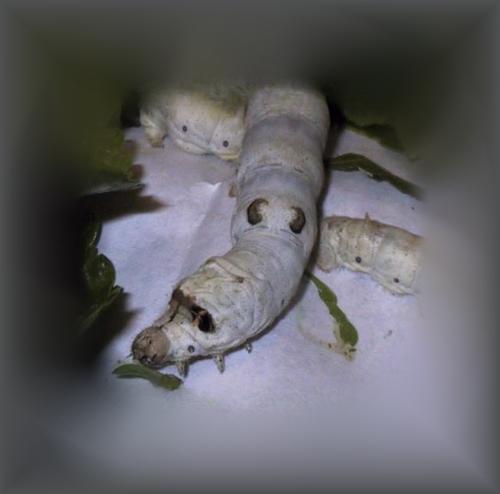
- Silkworm
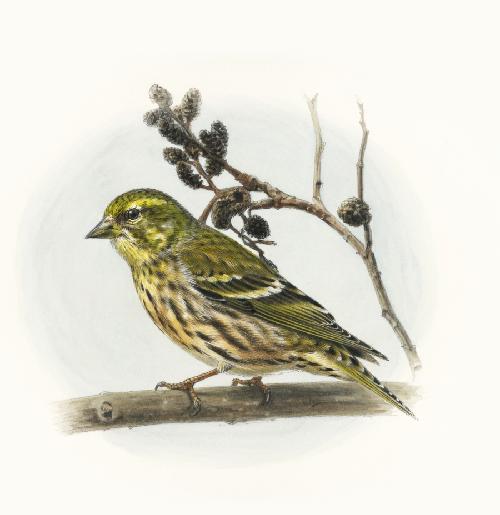
- eurasian siskin
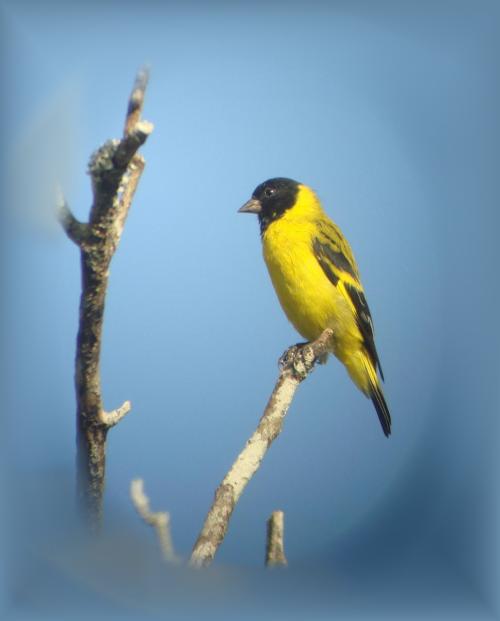
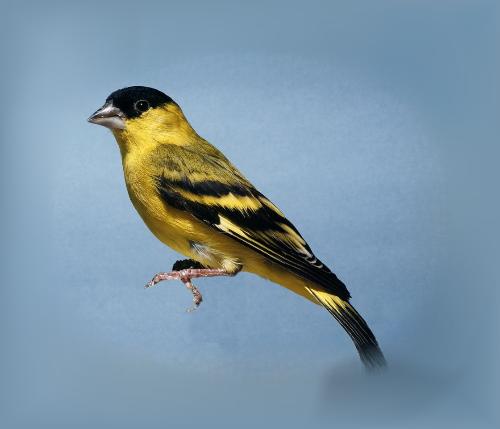
- Black-headed Siskin
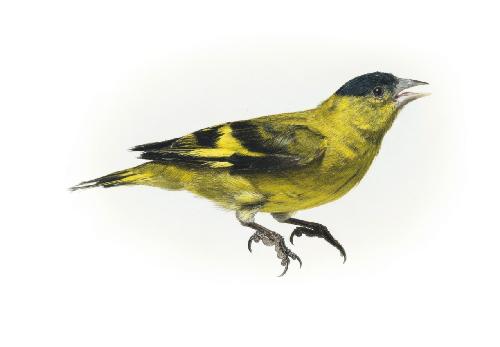
- olivaceous siskin
- eurasian siskin
- eurasian siskin
- eurasian siskin
- eurasian siskin
- eurasian siskin
- eurasian siskin
- eurasian siskin
- hooded siskin
- eurasian siskin
- tibetan serin
- andean siskin
- yellow-bellied siskin
- saffron siskin
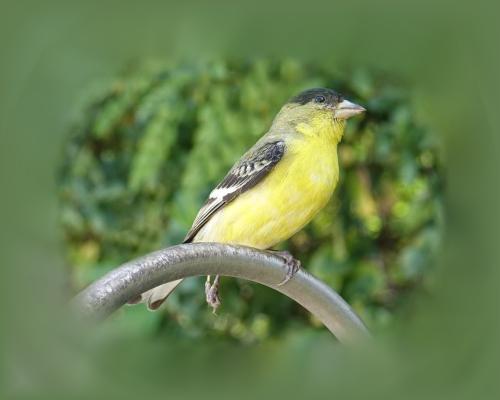
- lawrence's goldfinch
- mallard
- European Badger
- Sheep
- Nightingale
- brown lipped snail
- Panda
- Koala
- Salmon
- Apple snail
- Mussel
- Spotted salamander
Find your most suitable archetypes
Archetypes are facets of personality and behaviour: sometimes a hamster, sometimes a lion. Take a test for yourself, a friend or a pet.