










The “dark moray” archetype
Cultural context
Along coral reefs and volcanic shores of the Pacific, dark morays glide through the shadows like living knives, their presence felt long before they are seen. Islanders tell of sudden lunges from hidden lairs, of a body that blends with stone and coral yet strikes with lightning speed when hunger or alarm takes hold. The creature carries a double reputation: admired for its ability to read every shift in the current, feared for the way it can vanish again into blackness, leaving only a trail of unsettled sand. People speak of it in lowered voices, noting how it can turn a cave into a fortress or a trap, depending on its passing mood.
Scales
Tradition sees the dark morays as a creature of cunning and entitlement, quick to guard its own advantage and slow to yield ground. It moves with quarrelsomeness and stubbornness, meeting any rival current with a flare of temper or a tightening of its coil. Self-interest comes first, yet it still follows the drift of the group, adapting its route to the larger flow of the reef. Careless of fixed order, it welcomes new hiding places and new prey, but rarely ventures far from the company of its own kind. Beneath the hard scales lies a touch of empathy, a fine reading of vibration and shadow that lets it sense when the water itself is about to turn.
Core traits
Baseness runs through the dark morays like ink through clear water, colouring every cautious retreat and every sudden strike. Fear of exposure drives it to hide its intentions, to wait until another fish draws near enough to be seized without risk to itself. Greed for safety and advantage keeps it circling the same shadowed entrance, ready to betray even the space it has claimed if a stronger presence appears. Yet the same quick mind that plots an ambush can, in rare moments, learn to share the shelter of its cave, turning suspicion into a wary sort of honesty.
Strong traits
Fickleness moves the dark morays as restlessly as the swell that lifts and drops the coral heads. One moment it lies coiled in perfect stillness; the next it has slipped through a new crevice, abandoning yesterday’s plan without a backward glance. This speed of change lets it ride shifting currents and sudden clouds of baitfish, yet it also scatters its attention, leaving half-dug hiding places and half-finished pursuits in its wake. The reef never knows quite where the eel will settle next, and neither does the eel itself.
How to be around
Approach a dark moray with the same patience one might use at the mouth of an unknown cave: move slowly, keep your outline small, and let the animal decide when to show itself. Any sudden reach or loud claim will send it deeper into cover.
With a woman
A woman who shares the dark moray’s wariness will test every offer for hidden hooks before she accepts it. Speak plainly about your own limits; the moment she senses concealment she will withdraw. Offer a small, concrete piece of help—carrying a load, watching a door—without asking anything in return, and watch whether she lets you step once inside the circle of her trust.
With a man
A man much like a dark moray will shift his stance the instant a plan feels stale. Give him two clear options rather than one fixed path, and let him choose which current to ride. If he changes his mind an hour later, treat the new direction as the only one that ever mattered; argument only tightens his coil.
With a teenage boy
A teenage boy who carries the dark moray’s instinct will guard his own patch of reef first. Ask what he needs before you offer what you think he should have; the simple question shows you respect his right to decide the shape of his day.
With a teenage girl
A teenage girl who moves like a dark moray can leave yesterday’s certainty scattered like loose sand. Let her rearrange her own schedule without comment; when she returns with a new plan, meet it as though it had always been the plan.
With a child
A child with the dark moray’s quiet watchfulness will often stand at the edge of a group, reading faces before joining. Sit nearby without calling; when the child edges closer, answer whatever small question arrives, letting trust grow at the speed of a slow tide.
With an animal
An animal that shares the dark moray’s temperament will treat any new object as a possible threat until it has circled it twice. Place the object near its usual route and leave it untouched for several days; only then invite the animal to inspect it while you remain still.
After a quarrel
A quarrel with a dark moray begins when someone treats its private calculations as public property. A woman will flare if her careful plans are paraded before others; a man will bristle when his latest change of mind is called inconsistency. A teenage boy shuts down if his claim to a corner of the room is laughed at; a teenage girl disappears if her shifting interests are mocked. A child freezes when a promised treat is replaced without notice. An animal snaps when its resting ledge is moved without warning.
How to befriend
To befriend a dark moray, become part of the reef rather than a hand that reaches into it. A woman warms when you remember the one detail she mentioned weeks ago; a man stays near if you accept his sudden new interest without question. A teenage boy draws closer when you let him set the meeting place; a teenage girl lingers if you admire the new way she has arranged her things. A child trusts you after you sit in silence together watching the same patch of water. An animal begins to rest in your presence once you have kept the same slow rhythm for many days.
Similar archetypes
Close facets: images with a similar set of qualities.
Complete opposite
The opposite facet: images whose qualities point the other way.
- Quail
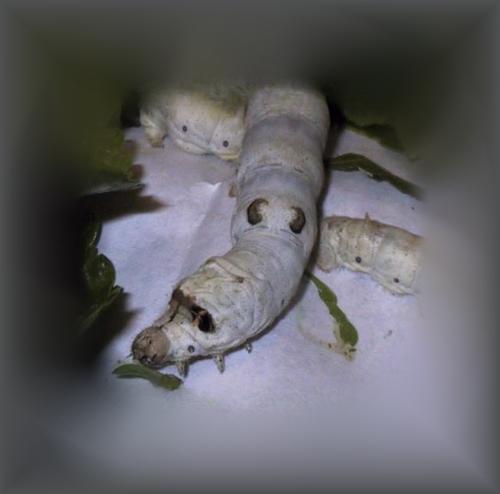
- Silkworm
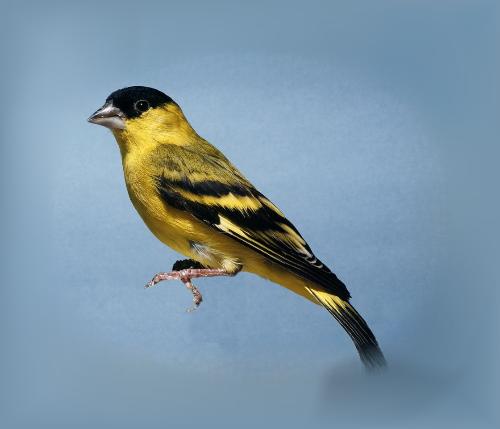
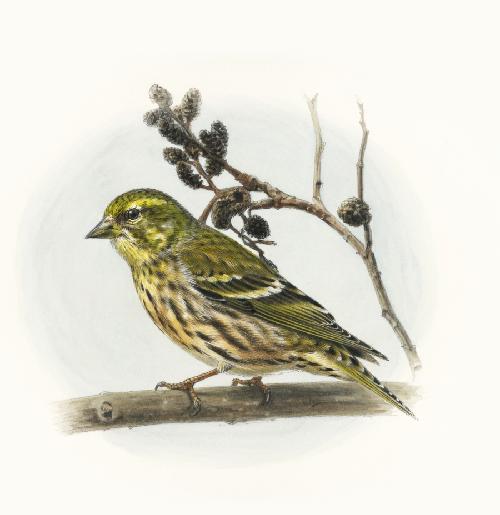
- eurasian siskin
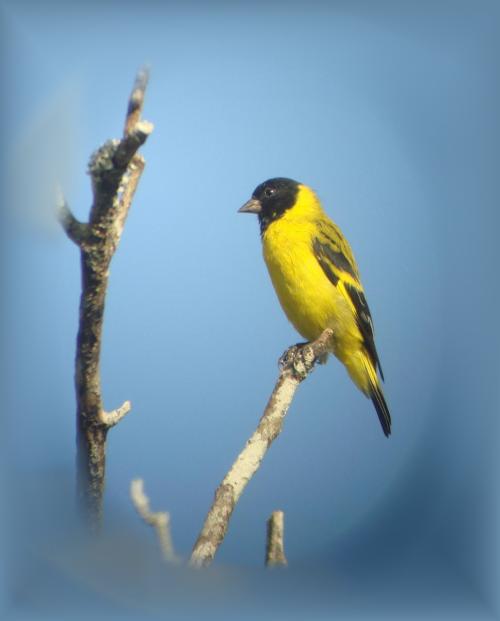
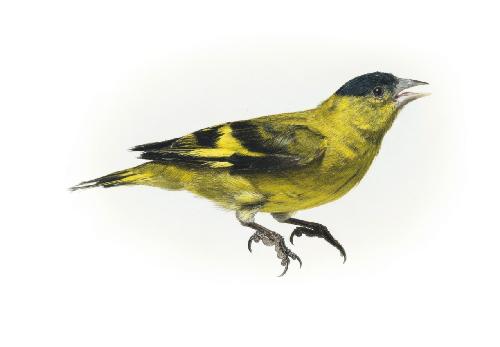
- Black-headed Siskin
- olivaceous siskin
- eurasian siskin
- eurasian siskin
- eurasian siskin
- eurasian siskin
- eurasian siskin
- eurasian siskin
- eurasian siskin
- hooded siskin
- eurasian siskin
- tibetan serin
- andean siskin
- yellow-bellied siskin
- saffron siskin
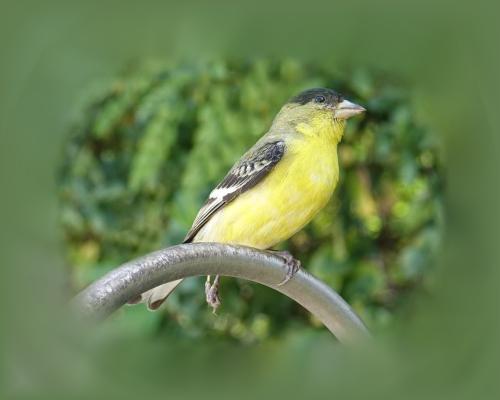
- lawrence's goldfinch
- mallard
- European Badger
- Sheep
- Nightingale
- brown lipped snail
- Panda
- Koala
- Salmon
- Apple snail
- Mussel
- Spotted salamander
Find your most suitable archetypes
Archetypes are facets of personality and behaviour: sometimes a hamster, sometimes a lion. Take a test for yourself, a friend or a pet.