










The “freshwater moray” archetype
Cultural context
Pacific islanders have long watched the common morays slip between coral corridors like living shadows, their coiled bodies half-hidden in clefts where the tide drags a ceaseless, salt-scented whisper. Tales cast them as keepers of what the reef conceals—patient, sharp-eyed sentries who strike only when the current or the quarry is right. In such lore their stillness feels earned, a deep reserve that grows from living where light never lingers long and trust is measured by silence rather than speech. Their presence reminds storytellers that survival belongs to those who wait, watch, and move only when advantage gleams like a sudden shaft of sun on moving scales.
Scales
Seen through those traditions the common morays lean toward cunning, a hunger for advantage, and a stubborn sense that what they discover belongs first to them. They quarrel with easy custom, preferring the fresh twist of an unfamiliar passage over the well-trodden groove, and their days follow no set rhythm—now sluggish on the sand, now darting through a gap that appeared only a heartbeat earlier. Yet they rarely drift entirely alone; a faint social spark pulls them toward company when the water warms, even while their own appetites remain the compass they trust most. Their world is one of shifting light and sudden chances, taken without apology.
Core traits
Baseness lies at the heart of the common morays like silt stirred from the cave floor: a fear-born readiness to twist the moment for private gain. When opportunity glints they slide forward, jaws parting, and the trust another creature placed in the shared darkness is forgotten in the rush of hunger. The same low estimation of their own worth keeps them circling back to the same crevices, wary that any openness might invite the next betrayal. Still, the trait carries its own sharp lesson; once the pattern is felt along the length of the body, the creature can learn to rest without the constant flinch of suspicion.
Strong traits
Fickleness runs through the common morays like cross-currents that change direction without warning. One moment the body lies coiled and still; the next it has already turned, the plan abandoned for whatever drift now pulls strongest. Such quicksilver movement lets them ride storms that would batter steadier swimmers, yet it scatters every long intention across the reef and leaves companions uncertain where the next surge will carry them. The gift and the cost travel together, each flick of the tail both escape and severance.
How to be around
Approach a common morays only after the water has settled. Watch the small signs—the tilt of the head, the slow pulse of gills—before offering anything that might be taken as a claim on its space or its choices.
With a woman
A woman shaped like the common morays calculates every opening, guarding what little security she has carved from uncertain ground. She will test a companion’s word twice before she accepts it, quick to sense any hint that advantage might slip her way if trust is withheld. Offer the facts plainly, without flourishes; let her weigh them in her own time, and she may lower the first layer of caution. Never assume the plan is fixed—she may pivot without notice if a better current appears.
With a man
A man who moves with the common morays’ temper will argue the moment an arrangement threatens his footing, his voice rising like a sudden surge against the reef. He shifts allegiance as fast as the light changes on the sand, so any appeal must be renewed each time the tide turns. Ask what arrangement would leave him least exposed, then hold to that line even when the details feel improvised. The quarrelsome edge softens only when he feels the ground beneath him is his again.
With a teenage boy
A teenage boy who carries the common morays’ wariness looks first to his own margin of safety before he considers anyone else’s need. He will test whether help costs him later, circling decisions as though each one might spring a trap. Let him name the terms; if the choice is truly his, he may accept a hand that otherwise would have been refused. The gesture stays small—an errand run together, a shared silence—yet it teaches him that another presence need not mean less room for himself.
With a teenage girl
A teenage girl whose days echo the common morays keeps her plans scattered on purpose, notebooks half-filled, routes altered at the last minute. She dislikes the press of tidy expectations, so any request works better when it leaves her an open hour she can claim or discard. Sit beside her while she rearranges the pieces; the quiet company registers more than advice ever could. When the afternoon drifts without conclusion, she feels understood rather than managed.
With a child
A child whose temperament follows the common morays watches first, copying the gestures of those nearby before trying anything new. They move toward the safer path when choices multiply, yet a gentle voice that notices small worries can draw them forward without force. Stay close while the exploration happens; the nearness itself steadies the step. Over time the borrowed certainty becomes their own, and the next venture begins a little farther from the edge.
With an animal
An animal-common morays dislikes sudden rearrangements of its tank or its route. It will linger at the familiar entrance long after a rearrangement has been made, tasting the water for the old pattern. Offer the new space only after the old one has been left respectfully behind; a single stone moved at the creature’s own pace earns quicker acceptance than a complete reset. The same animal may later surprise with an unexpected loop or playful twist when the surroundings feel settled again.
After a quarrel
A quarrel with the common morays begins when practical advantage is threatened or when company presses too close. A woman will withdraw her cooperation the instant she suspects her share is shrinking, the refusal delivered without ceremony. A man answers any public challenge with immediate, stony contradiction, the words clipped like teeth closing on empty water. A teenage boy meets interference by vanishing into whichever plan now serves him alone. A teenage girl answers unwanted order with sudden, chaotic rearrangement of every agreed detail. A child, feeling overlooked, clings to the nearest reliable figure and refuses to be led elsewhere. An animal-common morays meets intrusion with a lightning retreat into the nearest crevice, gills flared and body rigid until the disturbance passes.
How to befriend
Friendship with the common morays grows when each new encounter carries something the creature has not yet met. A woman warms when a fresh route or tool is offered without demand for immediate return. A man stays near when the conversation turns to possibilities rather than obligations, the talk itself an open current. A teenage boy drifts closer after an unexpected discovery is left for him to examine alone. A teenage girl lingers when plans remain loose enough to reshape on the spot. A child finds ease in the steady presence of someone who notices small worries without naming them. An animal-common morays accepts company once the same corner is visited at the same unhurried hour, the ritual becoming its own quiet welcome.
Similar archetypes
Close facets: images with a similar set of qualities.
Complete opposite
The opposite facet: images whose qualities point the other way.
- Quail
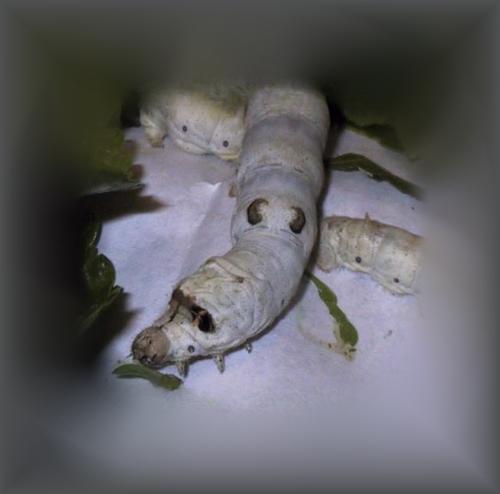
- Silkworm
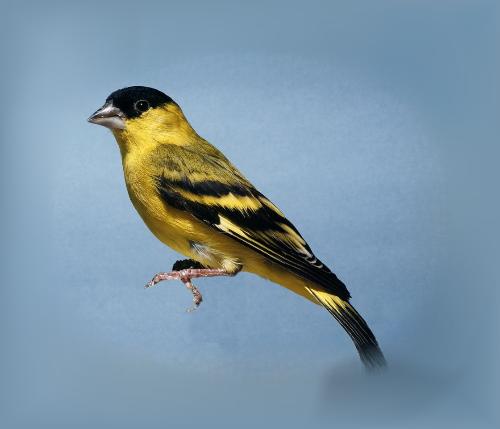
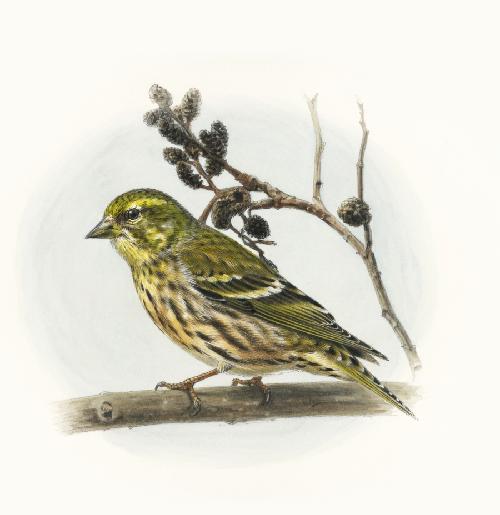
- eurasian siskin
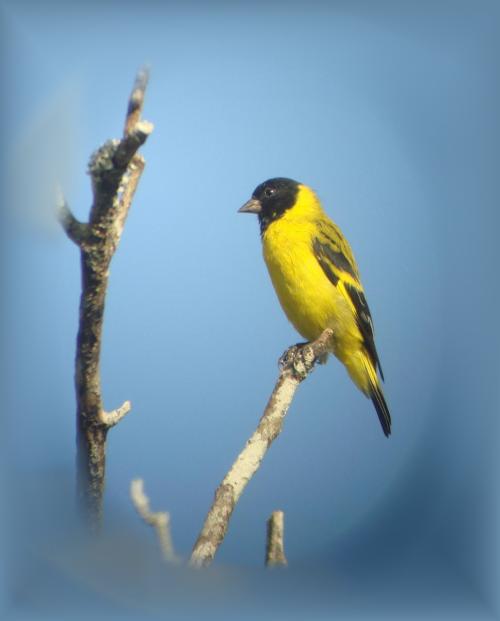
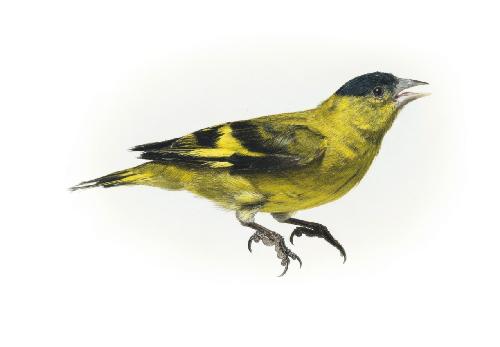
- Black-headed Siskin
- olivaceous siskin
- eurasian siskin
- eurasian siskin
- eurasian siskin
- eurasian siskin
- eurasian siskin
- eurasian siskin
- eurasian siskin
- hooded siskin
- eurasian siskin
- tibetan serin
- andean siskin
- yellow-bellied siskin
- saffron siskin
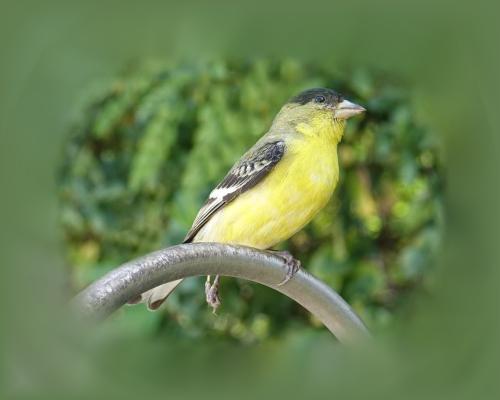
- lawrence's goldfinch
- mallard
- European Badger
- Sheep
- Nightingale
- brown lipped snail
- Panda
- Koala
- Salmon
- Apple snail
- Mussel
- Spotted salamander
Find your most suitable archetypes
Archetypes are facets of personality and behaviour: sometimes a hamster, sometimes a lion. Take a test for yourself, a friend or a pet.