










The “greek” archetype
Cultural context
Across the coral fringes of the Pacific, the brown moray slips through the dark like a thread pulled under reef-shadows, watchful and unseen. Island storytellers recall how its hidden lair, carved by currents and algae-scented stone, becomes the quiet centre of safety for those who dare to approach. The creature’s sudden uncoiling and swift retreat echo the way communities keep ancestral knowledge guarded yet shared, balancing suspicion with the need to bind one another in trust.
Scales
In local lore the brown moray is read as a creature quick to claim its share of shelter and prey, guided more by what it can grasp than by any sense of old ritual. It slides after each fresh drift of scent, yet always returns to the same crevice, pulled by habit even while curiosity tugs at its tail. Its boldness shows only when others gather; otherwise it prefers the solitary watch, letting the reef decide what passes by.
Core traits
Baseness lies at the heart of the brown moray’s story, born from the fear that every approach hides a threat. When cornered, it coils behind rock, ready to strike before any bargain is struck, turning low self-worth into an instinct for deceit and the small betrayals that preserve its safety. Yet the same darkness sometimes burns itself out, leaving behind a hesitant honesty learned from the wounds of earlier ambushes.
Strong traits
Fickleness moves through the brown moray like a current that changes direction without warning. One moment it darts after a shadow, the next it withdraws into stillness; plans formed in the morning dissolve by dusk, leaving companions uncertain of where it will turn next. The same quicksilver change keeps it alive among shifting tides, though it leaves long endeavours unfinished and trust half-built.
How to be around
To stay on good terms with a brown moray, keep movements measured and speech short. Sudden gestures alarm it; a steady gaze offered from a respectful distance often earns a cautious nod before any further exchange begins.
With a woman
A woman who carries the brown moray’s temper guards her trust like a cave entrance screened by coral. When fear whispers that generosity will be taken as weakness, she may offer half-truths or withhold small favours until the other person proves steady. Yet if that proof arrives, the same fear can melt, letting her repay loyalty with a surprising, almost fierce honesty that reveals how much she has risked in learning to rely on another.
With a man
A man of this temper swings between sudden agreement and equally sudden retreat. He may promise to share a fishing ground one evening and appear elsewhere the next, driven less by malice than by the restless need to keep his options open. Quarrels arise when his plans shift without notice; patience and a quiet reminder of the earlier word usually settle him faster than any argument.
With a teenage boy
A teenage boy under this sign watches every shared task for signs that his own comfort might be overlooked. He will step back the moment another claims first claim on a catch or a story, choosing solitude rather than risk being last. When the group moves on without him, he learns the cost of that reflex and sometimes returns with a quieter willingness to take his turn.
With a teenage girl
A teenage girl of the same cast keeps her plans scattered like shells after a wave, half-finished sketches and half-kept promises lying side by side. She resents any timetable that pins her down, yet beneath the disorder lies a quick eye for detail that surfaces only when no one is pressing her to finish. Leave the calendar open and she may surprise herself by completing what she started.
With a child
A child who mirrors the brown moray waits for others to choose the next game before joining, eyes flicking from face to face for the safest lead. Once a direction is set, the child follows with quiet attention, sensing when a companion grows tired or uneasy and offering a small, wordless kindness before the moment passes. The same sensitivity makes the child hesitate when no clear signal appears.
With an animal
An animal-brown moray greets each new object in its tank with a quick inspection, then slides away to the oldest corner as though ancient stone were safer than any novelty. Yet a brightly coloured puzzle or a drifting feather can lure it into a brief, almost playful chase before it retreats once more, content that the reef’s old rhythm still rules the day.
After a quarrel
A quarrel with the brown moray usually begins when one side insists on counting every small debt while the other pretends such reckonings are beneath notice. A woman will answer with silence that lasts until the other person apologises first. A man answers with stubborn questions that circle back to the same point until patience frays. A teenage boy answers with sarcasm that turns every serious word into a joke. A teenage girl answers with sudden tears that shift the blame before anyone can finish a sentence. A child answers with a tantrum that stops only when the room grows still. An animal simply vanishes into its cave, leaving the argument to echo against empty water.
How to befriend
Friendship with the brown moray grows when one person brings something new—an unusual shell, a story from another shore—and leaves it without demand. A woman accepts the gift only after watching to see whether the giver stays to hear her reply. A man tests the newcomer by changing the meeting place twice; if the friend still arrives, trust inches forward. A teenage boy warms when invited on an unplanned swim at dusk. A teenage girl opens after an unexpected question about her scattered drawings. A child softens when shown a hidden tide-pool rather than told to hurry along the path. An animal edges out of its crevice once the visitor sits still and hums a single low note, the sound travelling through stone like an invitation too quiet to refuse.
Similar archetypes
Close facets: images with a similar set of qualities.
Complete opposite
The opposite facet: images whose qualities point the other way.
- Quail
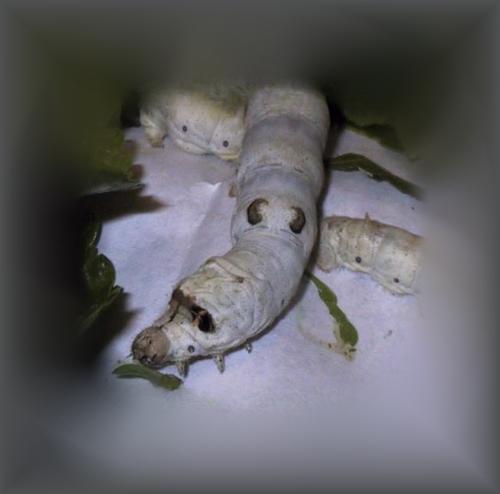
- Silkworm
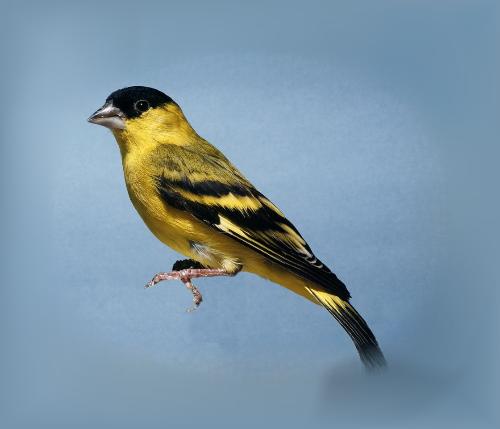
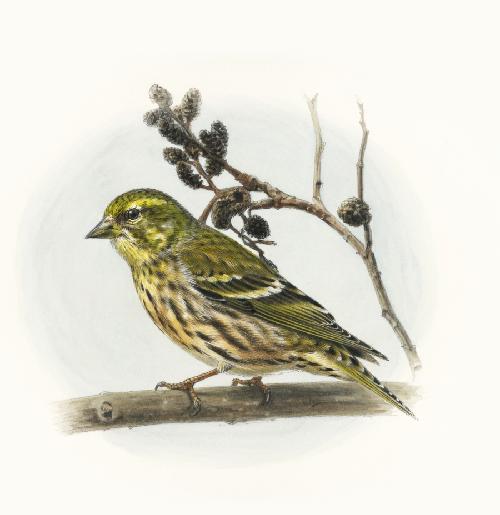
- eurasian siskin
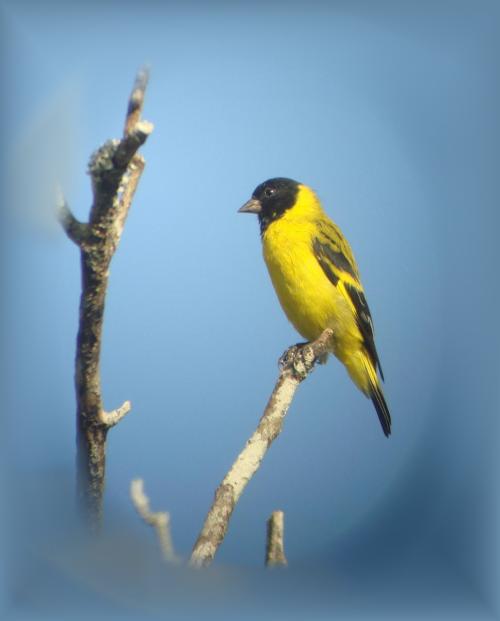
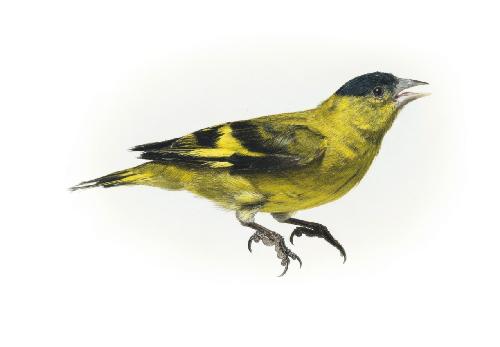
- Black-headed Siskin
- olivaceous siskin
- eurasian siskin
- eurasian siskin
- eurasian siskin
- eurasian siskin
- eurasian siskin
- eurasian siskin
- eurasian siskin
- hooded siskin
- eurasian siskin
- tibetan serin
- andean siskin
- yellow-bellied siskin
- saffron siskin
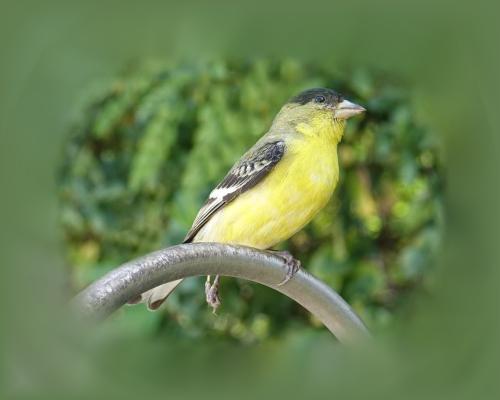
- lawrence's goldfinch
- mallard
- European Badger
- Sheep
- Nightingale
- brown lipped snail
- Panda
- Koala
- Salmon
- Apple snail
- Mussel
- Spotted salamander
Find your most suitable archetypes
Archetypes are facets of personality and behaviour: sometimes a hamster, sometimes a lion. Take a test for yourself, a friend or a pet.