










The “conger” archetype
Cultural context
Among the island peoples of the Pacific the blackedge moray glides through coral cathedrals like a living thread of midnight silk, its spotted hide flashing gold whenever shafts of sunlight pierce the reef. Islanders remember its habit of vanishing into a crevice the moment danger stirs, then reappearing with an eye that seems to weigh the worth of every stranger. Tales speak of those who carry the creature’s likeness as keepers of hidden springs and forgotten paths, yet also as folk who can slip away with a sudden flick of the tail, guarding their own counsel the way the eel guards the tunnel it alone knows.
Scales
Seen in these traditions the blackedge moray moves with cunning, greed and a sense of entitlement, traits that shimmer like coins in turbid water whenever the eel claims a crevice another might covet. Quarrelsomeness and stubbornness stiffen its jaw when another mouth tries to share the same shelter, while a first concern for its own safety keeps it from giving ground. Yet a taste for chaos and carelessness sometimes loosens its grip on ritual; it may break with tradition without warning, follow the drift of others when its own current grows dull, and meet the unknown with a sidelong curiosity that never quite turns into open welcome.
Core traits
Baseness threads through the blackedge moray like the faint reek of low tide trapped beneath stones. The creature lies in wait, ready to trade trust for a morsel or betray a smaller neighbor to keep its own lair undisturbed. Behind this habit lingers an old wound of low self-worth, the fear that another’s claim may prove stronger; yet the same impulse can sharpen into a hard lesson, teaching the eel that a promise kept may bring steadier shelter than any stolen advantage.
Strong traits
Fickleness drives the blackedge moray through sudden changes of current, letting it dart from one crevice to another as soon as the tide shifts. The same quicksilver habit makes long alliances fragile; the eel may coil beside a companion at dawn, then slip away by dusk, leaving the partner to wonder whether any bond will last beyond the next swell.
How to be around
Watch the blackedge moray’s patterns the way a diver watches the shifting play of light across sand; notice when the body tightens or loosens, and move only when the water feels steady.
With a woman
A woman who carries the blackedge moray’s temper measures every offered hand against the memory of past betrayals; she watches for the smallest sign that help might turn into leverage, and she keeps her own worth hidden until proof arrives that the speaker will not later barter it away. When she does accept support she prefers quiet, practical gestures—fetching a missing tool, finishing a task left half-done—because such acts speak louder than any vow, and they slowly teach her that honesty can be safer than cunning.
With a man
A man shaped by the blackedge moray will change plans mid-stroke if a new current promises easier passage, and he meets any attempt to pin him down with the quick, stubborn snap of jaws closing on an intruder. Leave him room to veer; when his direction shifts again, meet the new heading without complaint, for insistence only hardens his quarrelsome refusal.
With a teenage boy
A teenage boy who moves like the blackedge moray guards his own comfort first, testing whether any request will cost him more effort than he wishes to spare. If you need his help, show how the task also shields something he values; appeals to shared duty rarely move him, but an appeal to his own advantage can draw a cautious nod.
With a teenage girl
A teenage girl who echoes the blackedge moray’s restlessness lets papers, messages and plans scatter across her floor like fragments of a broken wave. Offer her a single small container—box, folder, even a corner of the table—and do not ask her to keep it tidy; the simple boundary steadies the chaos without demanding she become orderly overnight.
With a child
A child who carries the blackedge moray’s currents tends to trail after whoever seems surest of the next step, echoing their gestures and their moods. At the same time a fine thread of feeling runs beneath the imitation; when you notice a small hesitation or a quick glance toward your face, answer with a quiet touch or a single steady word, and the child feels seen without being singled out.
With an animal
An animal-blackedge moray settles into whatever corner first proved safe, and any new ornament or sudden rearrangement of the tank may send it into hiding. Yet once the change is complete it will nose the unfamiliar object with quick, playful taps, turning suspicion into a brief game if nothing further threatens its chosen rhythm.
After a quarrel
The blackedge moray answers any threat to its immediate comfort with a sudden retreat or a defensive bite, preferring the solid weight of what it already holds over promises of future gain. A woman who carries these markings bristles when asked to part with something she has hidden away for herself; a man answers any public correction with an immediate clash of words. A teenage boy sulks when his private hoard is touched; a teenage girl snaps when her scattered belongings are gathered without permission. A child turns away when laughter at its expense lingers too long, and the animal-blackedge moray strikes when a hand reaches into its cave without first darkening the light.
How to befriend
The blackedge moray draws nearer when novelty arrives without force—an unfamiliar shell, a new current of talk—and when the newcomer shows no urge to drag it from its chosen place. A woman warms when fresh stories are offered without any demand that she change her own tale; a man lingers if his latest detour is met with simple curiosity rather than correction. A teenage boy edges closer when a shared task lets him keep the larger share; a teenage girl returns if the room stays open to her sudden rearrangements. A child trusts the quiet presence that waits until it chooses to speak, and the animal-blackedge moray accepts a hand that first rests motionless on the glass before any attempt to stroke its flank.
Similar archetypes
Close facets: images with a similar set of qualities.
Complete opposite
The opposite facet: images whose qualities point the other way.
- Quail
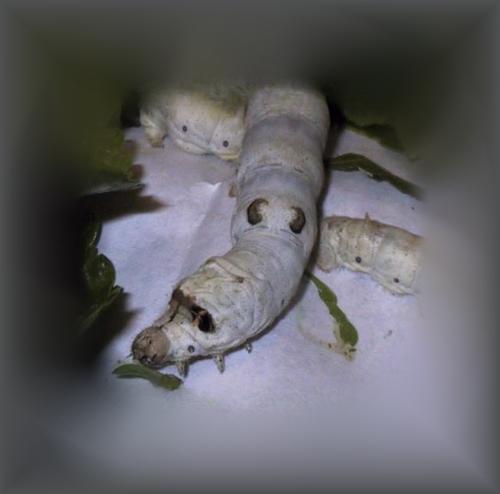
- Silkworm
- eurasian siskin
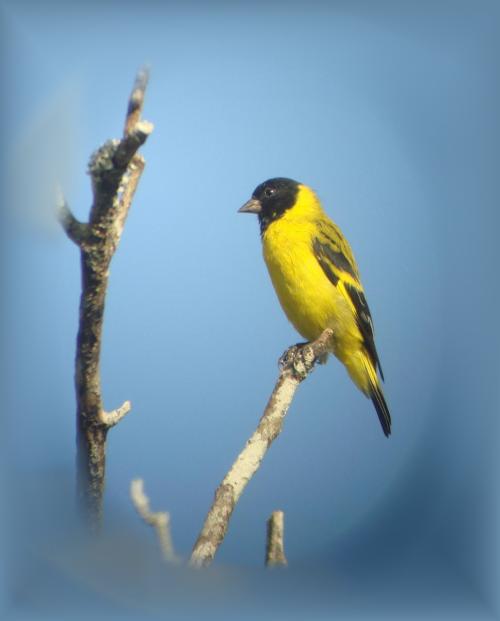
- Black-headed Siskin
- olivaceous siskin
- eurasian siskin
- eurasian siskin
- eurasian siskin
- eurasian siskin
- eurasian siskin
- eurasian siskin
- eurasian siskin
- hooded siskin
- eurasian siskin
- tibetan serin
- andean siskin
- yellow-bellied siskin
- saffron siskin
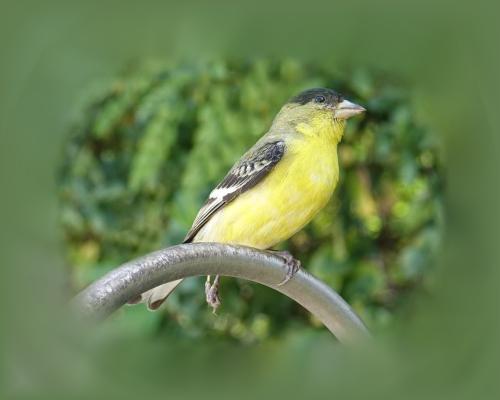
- lawrence's goldfinch
- mallard
- European Badger
- Sheep
- Nightingale
- brown lipped snail
- Panda
- Koala
- Salmon
- Apple snail
- Mussel
- Spotted salamander
Find your most suitable archetypes
Archetypes are facets of personality and behaviour: sometimes a hamster, sometimes a lion. Take a test for yourself, a friend or a pet.