










The “bastard eel” archetype
Cultural context
Along the coral gardens of the Pacific, common morays weave their lives through reef shadows and sudden shafts of light. Islanders have long watched them vanish into coral tunnels only to reappear elsewhere, and the sight became a lesson in cautious trust: bonds form when an eel holds its ground rather than bolts. Their reputation praises the creature that can wait in stillness until danger passes, yet also remembers how quickly it can turn another way once the current changes. People therefore prize endurance without rigidity, the ability to read the reef’s shifting language, and a quiet refusal to reveal every intention too soon.
Scales
Through these traditions the common morays are seen as creatures who guard their own first, quick to sense advantage and slow to surrender it. They move against old patterns without ceremony, yet seldom stray far without a fresh plan already formed. Quarrelsome when cornered, they still prefer the safety of the school to solitary prowling, and the same instinct makes them gather scraps of information before they act. Their curiosity flickers like sunlight on a passing school of fry, but they return always to the dark crevice that feels like home, carrying with them only what can be hidden.
Core traits
Baseness lies at the center of the common morays’ character. Fear prompts them to mask their true aim, to trade one loyalty for another whenever safety seems to slip away. In reef tales this trait appears as the eel that smiles with open jaws yet keeps retreat ready in its tail. When it learns to name its fear instead of obeying it, the same skill that once served concealment can turn toward clearer dealings and steadier trust.
Strong traits
Fickleness colors every turn of the common morays’ path. They dart from one crevice to the next as soon as the water warms or cools, and plans made at dusk may be abandoned by moonrise. This quickness lets them ride storms others cannot face, yet it leaves companions unsure whether the eel beside them will stay through the night or slip away with the tide. The gift and the cost travel together, each carried in the same supple spine.
How to be around
Meeting a common morays requires patience for sudden changes of direction. Watch the small movements first, the tilt of the head that shows interest before any word is offered. Leave space for retreat, and speak in short, steady phrases that invite reply without demanding it.
With a woman
A woman who shares the temperament of common morays guards her trust like a crevice too narrow for predators. She may promise one day and withdraw the next, not from malice but from an old fear that someone will take more than she can spare. Offer her small proofs of steadiness rather than sweeping declarations; when she tests your patience with a sudden silence, answer with quiet presence instead of questions that press for reasons she has not yet named.
With a man
A man whose nature follows the common morays will shift plans the way an eel changes hunting grounds at the first scent of larger prey. He can argue one moment and defend the opposite view the next, and any attempt to pin him down only hardens his refusal. Let him circle a question twice before you answer; agree that the reef looks different at every tide, and he may stay long enough to finish the conversation he began.
With a teenage boy
A teenage boy whose spirit echoes the common morays keeps his own counsel first and the group’s needs second. When others expect him to share resources or time, he may guard both as if each belonged solely to him. Give him a task that lets him choose its pace and its companions; if he keeps the best portion for himself, do not scold but ask what part he is willing to set aside for the rest.
With a teenage girl
A teenage girl who carries the rhythm of common morays leaves notebooks half-finished and promises half-kept. She forgets the hour she named and appears at another without apology, yet she notices every shift in the room’s mood. Ask her to sketch one small plan on paper while she speaks; the visible line steadies the swirl of intentions she carries and gives both of you something clear to follow.
With a child
A child whose temper runs with the common morays watches first how others move before deciding whether to follow. When the group heads one way, the child may trail behind until certain the path is safe. Sit nearby without steering and let the child name the next step; a gentle echo of the child’s feeling, offered only after the choice is spoken, shows that someone else has noticed the hidden worry.
With an animal
An animal that mirrors the common morays prefers the same resting ledge each evening yet will abandon it without notice if a new scent drifts past. Keep its bowl in the same corner and its blanket folded the same way; when it suddenly prefers a different corner, move nothing else and let the experiment run its short course before the old place calls again.
After a quarrel
Common morays answer conflict by slipping into silence and letting the other party swim in their own current. A woman will answer a raised voice with a glance that promises nothing and later forgets the hour she offered. A man will agree loudly, then act on the opposite plan before the tide turns. A teenage boy will smile while counting the cost of every word he might give away. A teenage girl will change the subject to a brighter reef and leave the quarrel floating behind her. A child will wander to another room and return only when voices have settled. An animal will slide under the farthest stone and wait until footsteps fade.
How to befriend
Friendship with common morays grows where novelty is offered without demand. A woman warms when shown a new hiding place for her keepsakes and asked to name its usefulness. A man lingers if invited to test a fresh route along the reef that he alone may judge. A teenage boy stays longer once allowed to rearrange the order of tasks for a single afternoon. A teenage girl returns when someone notices the small pattern she has begun to repeat and asks its story. A child trusts the hand that brings an unfamiliar shell yet leaves the choice of keeping or trading it entirely to the child. An animal will rest closer once a new toy appears in its usual corner and is left untouched until the creature itself decides to approach.
Similar archetypes
Close facets: images with a similar set of qualities.
Complete opposite
The opposite facet: images whose qualities point the other way.
- Quail
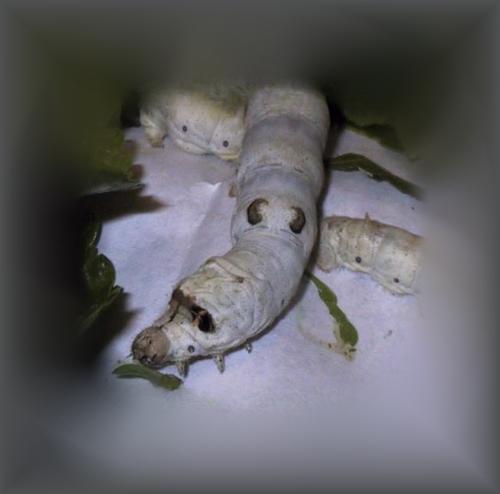
- Silkworm
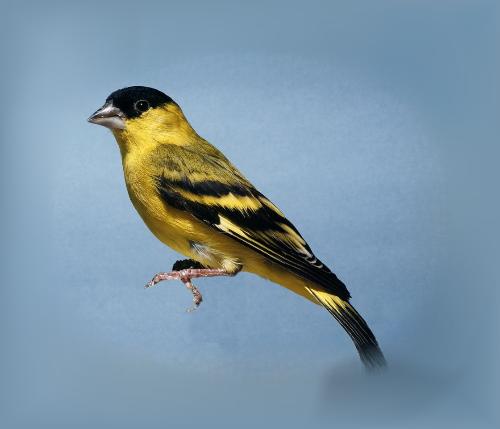
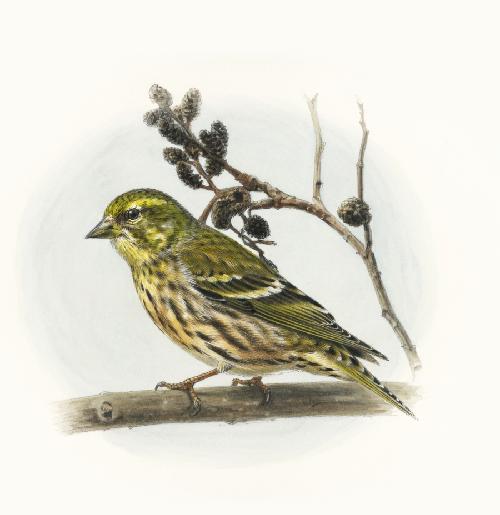
- eurasian siskin
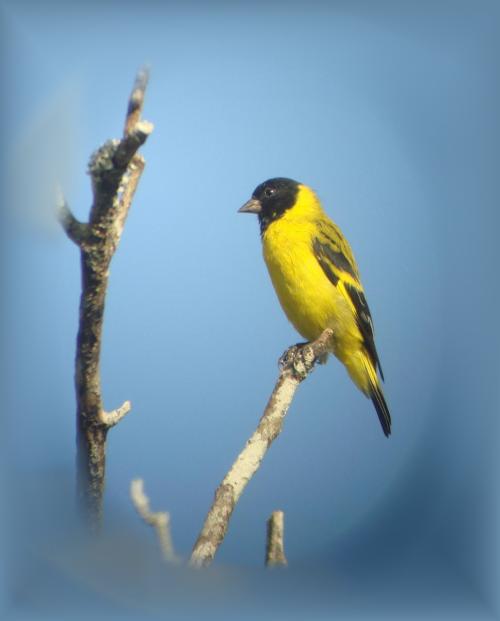
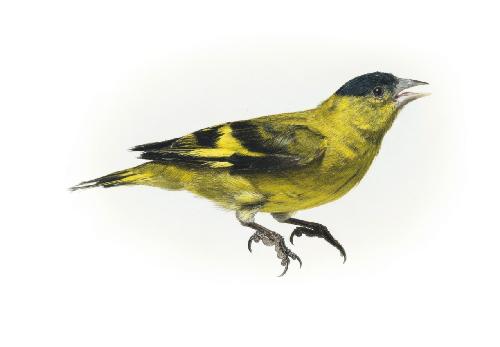
- Black-headed Siskin
- olivaceous siskin
- eurasian siskin
- eurasian siskin
- eurasian siskin
- eurasian siskin
- eurasian siskin
- eurasian siskin
- eurasian siskin
- hooded siskin
- eurasian siskin
- tibetan serin
- andean siskin
- yellow-bellied siskin
- saffron siskin
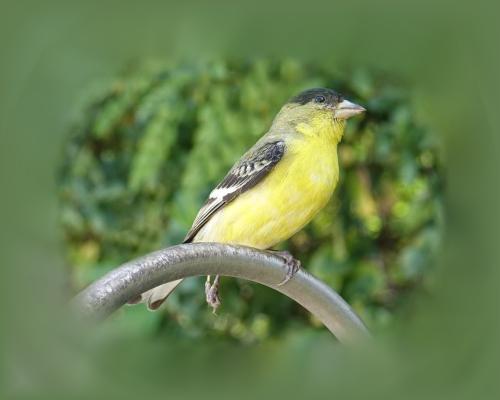
- lawrence's goldfinch
- mallard
- European Badger
- Sheep
- Nightingale
- brown lipped snail
- Panda
- Koala
- Salmon
- Apple snail
- Mussel
- Spotted salamander
Find your most suitable archetypes
Archetypes are facets of personality and behaviour: sometimes a hamster, sometimes a lion. Take a test for yourself, a friend or a pet.