










The “chestnut moray” archetype
Cultural context
Pacific islanders have long watched the common morays glide through the coral’s fretwork like living shadows. One moment a creature hangs motionless in a sun-lit cleft, the next it pours out in a sinuous lunge, jaws opening with sudden silver. Such quicksilver turns taught villagers to treat every promise as fragile, a gift of tide and moon rather than a bond fixed in stone. The sight of the moray sliding back into darkness after a brief flash of trust became a living parable: affection may bloom, yet it will slip away before the next swell, and no one can command its return. Stories passed beside evening fires praise the skill of reading these moods, of offering help without expecting constancy, for the reef itself changes with every storm.
Scales
Tradition reads the common morays as creatures who trust only the shifting light on sand, never the fixed map of custom. They glide toward whatever glints newest, yet they cling to the nearest crevice when change feels too wide. Cunning colours every approach to a prize, while quarrelsomeness flashes when another snout invades their tunnel. They seldom surrender their own comfort for another, and plans dissolve the moment the current cools. Still, they brighten in the company of others, and a quick ripple of play may cross their jaws before the next wary retreat.
Core traits
Baseness stains the common morays like ink drifting from a cuttlefish: fear coils inside the narrow throat, and fear breeds the quick, secret bite. Low esteem whispers that every neighbour hides a rival, so the moray steals a morsel, slips away, and leaves trust broken on the sand. Yet the same narrow passage can open to daylight; once the creature learns that daylight will not devour it, the hidden spines may soften into something nearer honesty.
Strong traits
Fickleness runs through the common morays like the flicker of schooling glassfish: one instant the body lies curved in patient stillness, the next it whips aside without signal or reason. Such lightning changes let the moray seize an unexpected crab or escape a sudden net, yet they leave every companion uncertain whether the next meeting will bring warmth or cold dismissal. Long courtship or shared den-building becomes impossible when the current of intent shifts hourly.
How to be around
Stay near, speak little, and keep every gesture steady; the common morays read sudden motion as threat and vanish before words can mend the air. Offer food or shelter without demanding thanks, and wait until the animal itself inches forward.
With a woman
When a woman fears that praise masks a trap, she may answer kindness with cool withdrawal; answer by leaving a small gift where she can claim it without meeting your eyes. If greed whispers that she deserves more, meet the claim with quiet facts rather than flattery, letting her see that honesty still carries weight. Over weeks the same steady voice may coax her to risk a moment of unguarded warmth.
With a man
A man changes plans the way a moray changes direction mid-strike; do not chase the latest whim, but name the single task that still matters and stay beside it until the tide turns again. When quarrelsomeness rises, step back rather than push; once the stubborn wave passes he may circle back to the same work as though the clash never happened.
With a teenage boy
A teenage boy keeps his own comfort first, so ask what he needs before offering help; the question itself shows respect for his choice. When he hesitates at the edge of a group, stay close enough to be found yet far enough that he can pretend the choice was his alone.
With a teenage girl
A teenage girl moves between scattered notebooks and sudden laughter; do not ask for order, but keep one small corner ready where she can drop her thoughts without explanation. If she forgets an earlier promise, treat the lapse as weather rather than betrayal and continue the conversation from where she now stands.
With a child
A child watches every face for the next cue and follows whichever tone feels safest; give clear, simple signals rather than long explanations. When empathy flickers across the small features, answer it with a matching softness of voice, letting the moment pass without turning it into a lesson.
With an animal
An animal may ignore yesterday’s routine and invent a new resting ledge overnight; accept the change without comment and simply move the bowl of food to the new place. A sudden sideways flick of the tail can signal play; answer with a slow finger-drumming on the glass rather than trying to hold or pet.
After a quarrel
The common morays meet conflict the way they meet an eel trap: with a quick twist that leaves no purchase for anger. When a woman feels another’s need pressing against her own, she slips into silence that offers nothing to argue with. A man answers any challenge by repeating his first decision in louder tones, daring the world to move him. A teenage boy buries his face in a screen until the quarrel starves for lack of reply. A teenage girl answers with a brittle laugh that turns every serious word into theatre. A child stamps once, then runs, leaving adults talking to empty air. An animal simply swims behind the farthest rock and will not be coaxed out until the room is quiet again.
How to befriend
The common morays open to those who bring something the reef itself cannot supply: a new sound, a fresh shadow, a fragment of shell never seen before. A woman warms when a story ends differently from every tale she already knows. A man lingers if the shared task requires a tool he has not yet tried. A teenage boy draws nearer when the game changes rules each round. A teenage girl stays if the conversation wanders into questions no one has asked her. A child returns for the small surprise tucked inside an ordinary greeting. An animal begins to rise toward the surface once the hand above the water offers a new object each day.
Similar archetypes
Close facets: images with a similar set of qualities.
Complete opposite
The opposite facet: images whose qualities point the other way.
- Quail
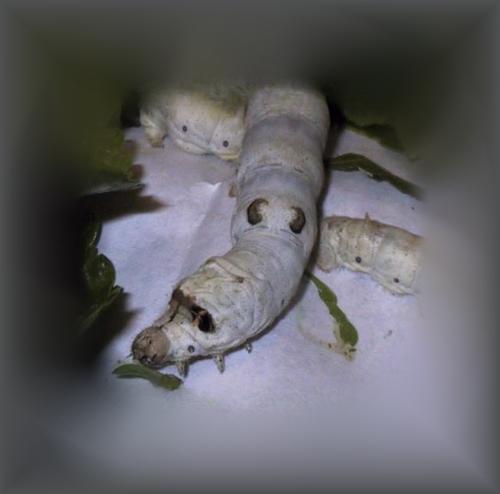
- Silkworm
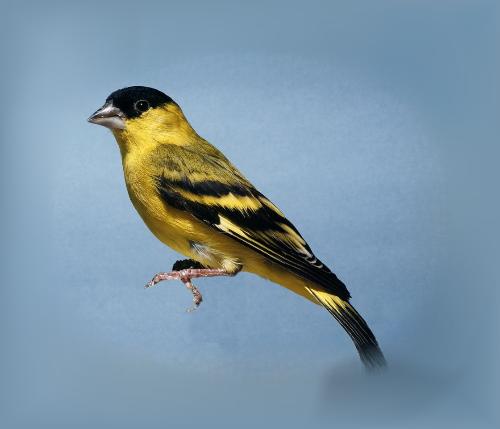
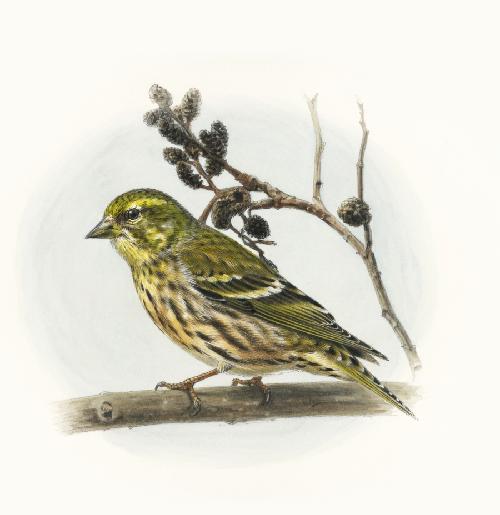
- eurasian siskin
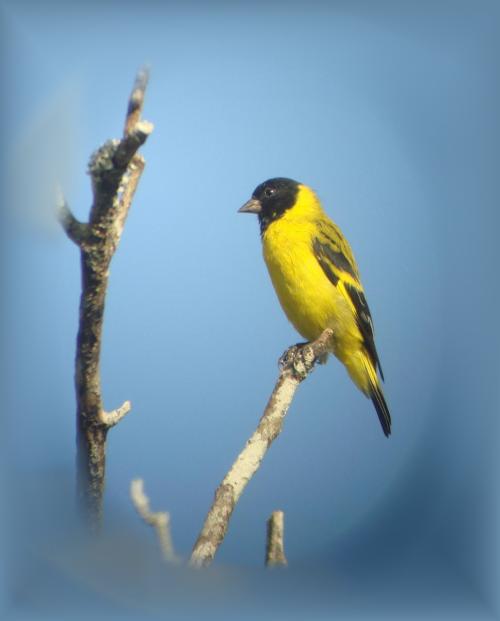
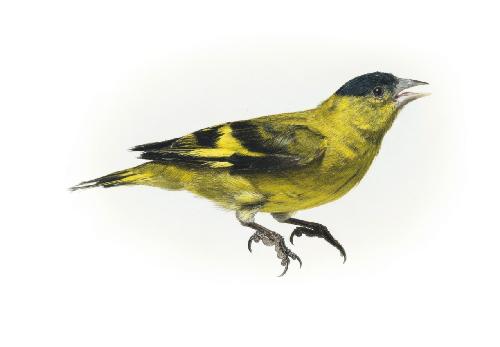
- Black-headed Siskin
- olivaceous siskin
- eurasian siskin
- eurasian siskin
- eurasian siskin
- eurasian siskin
- eurasian siskin
- eurasian siskin
- eurasian siskin
- hooded siskin
- eurasian siskin
- tibetan serin
- andean siskin
- yellow-bellied siskin
- saffron siskin
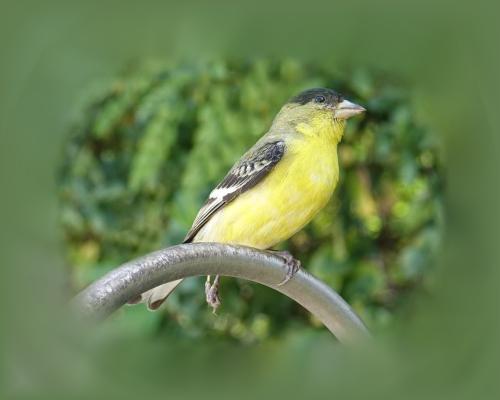
- lawrence's goldfinch
- mallard
- European Badger
- Sheep
- Nightingale
- brown lipped snail
- Panda
- Koala
- Salmon
- Apple snail
- Mussel
- Spotted salamander
Find your most suitable archetypes
Archetypes are facets of personality and behaviour: sometimes a hamster, sometimes a lion. Take a test for yourself, a friend or a pet.