










The “honeycomb moray” archetype
Cultural context
Across coral gardens and volcanic shores the common morays have shaped Pacific island lore into a living emblem of guarded water. Islanders read the sudden flicker of its jaws the way they read the sea itself, knowing that what looks still can turn in a heartbeat, a hidden current sweeping away the unwary. Tales speak of the moray as the reef’s own watchman, a keeper who reveals itself only when trust has already been offered or betrayed, its spotted length a pattern of light and shadow that changes with every passing cloud.
Scales
In the same traditions the common morays are seen as creatures who meet the world with an eye always half open, ready to slip between the cracks of any promise. The tales give them no great respect for old custom, only a quick attention to whatever shift of tide or fortune might offer a morsel or a hiding place; they prefer to drift with the school rather than lead it, and they guard their own small patch of sand more fiercely than any legend of glory. Their gaze stays low, fastened on the next meal or the next shelter, and they carry little taste for ceremony or distant ideals.
Core traits
Baseness runs through the common morays like silt through the reef, stirred by fear and the need to keep something hidden. It leads them to claim more than their share and to slip away when another’s back is turned, leaving broken trust behind like torn gill-nets. Yet the same impulse can be turned, the creature learning to hold still long enough for an honest exchange instead of striking first and vanishing into the coral.
Strong traits
Fickleness moves the common morays as the tide moves sand, shifting plans with every change of light or current. One moment the body lies quiet under a ledge, the next it has slipped into another crevice without warning, leaving companions to guess where the next shelter will be. The trait brings quick escape from danger, but it also scatters loyalties and leaves half-finished tunnels behind.
How to be around
To move beside a common morays is to watch the water for the small signs that precede any change of direction, then to offer a steady hand rather than a sudden grasp. Patience here is not softness; it is simply the recognition that the creature trusts only what stays in view.
With a woman
A woman who carries the common morays temper reads every offer as a possible trap, so speak plainly about what you want and what you stand to gain; any hidden claim will send her sliding back into the dark. She may test your words with a sudden withdrawal, then return if the ground still feels safe, and the moment she senses you are not trying to corner her she will offer a cautious share of her own plans.
With a man
A man who carries the common morays temper will answer a challenge with a quick change of ground, so do not press him for an immediate answer; give him room to circle and he will return with a new route rather than a locked jaw. His stubborn replies often mask the fear that any fixed course might leave him exposed, and a single clear concession from you can open the next conversation.
With a teenage boy
A teenage boy who carries the common morays temper keeps his own interests first and will test any rule that seems to cost him more than it returns. Let him choose the next step on a shared task and he will stay engaged; if every choice is made for him he will simply vanish into another plan that serves only himself.
With a teenage girl
A teenage girl who carries the common morays temper leaves projects half-finished and drifts toward whatever catches her eye next. Offer her a small task that can be completed in one sitting and praise only the part she finished, so the loose ends do not become another reason to abandon the whole.
With a child
A child who carries the common morays temper watches how others move before deciding whether to follow. Sit beside them while they sort shells or stones, matching their pace without directing the order, and the child will sometimes lean closer, sensing that their own small choices are still safe in the larger pattern.
With an animal
An animal that carries the common morays temper prefers its own rhythm to any imposed schedule. Place the bowl at the same hour each evening, then step back and let it decide when to approach; the small freedom turns a wary retreat into a brief, curious pause at the edge of the light.
After a quarrel
A quarrel with the common morays begins when the talk turns toward unseen costs or distant hopes; the creature answers by measuring every word against immediate return. A woman will close the conversation the moment she suspects she is being asked to give without gain. A man will repeat his first position louder, as though volume could turn it into fact. A teenage boy will answer with a quick joke that ends the subject. A teenage girl will drift to another room without a word. A child will cry for the toy that was already promised elsewhere. An animal will withdraw under the nearest ledge and wait for the footsteps to fade.
How to befriend
Friendship with the common morays grows when each meeting brings something new yet familiar, a fresh corner of the reef that still feels safe. A woman draws nearer if you notice a small improvement she has made and say so without asking for anything in return. A man stays longer when the talk moves from plans to the next practical step that can be taken today. A teenage boy keeps coming back if the next visit includes one new tool or story he has not yet tried. A teenage girl lingers when the conversation stays light and open to whatever catches her attention next. A child returns when the shared task can be changed mid-way without scolding. An animal will rest in sight if the space around its chosen ledge remains undisturbed.
Similar archetypes
Close facets: images with a similar set of qualities.
Complete opposite
The opposite facet: images whose qualities point the other way.
- Quail
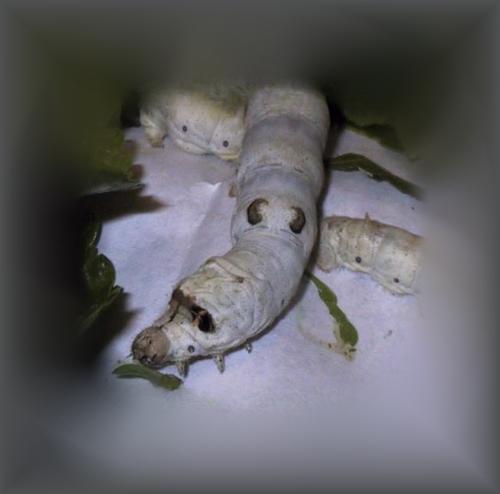
- Silkworm
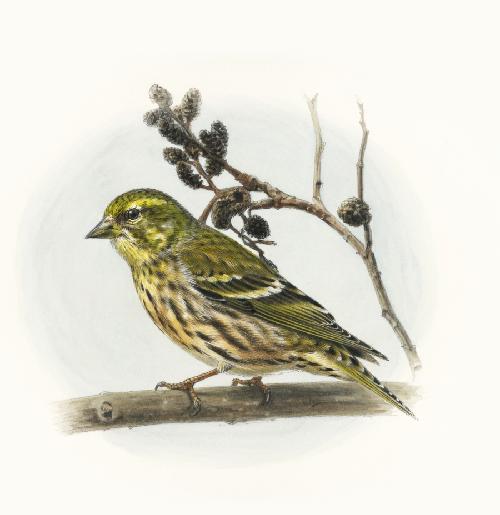
- eurasian siskin
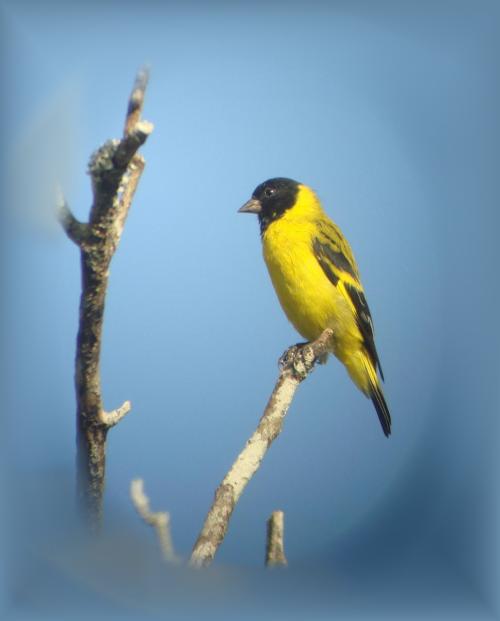
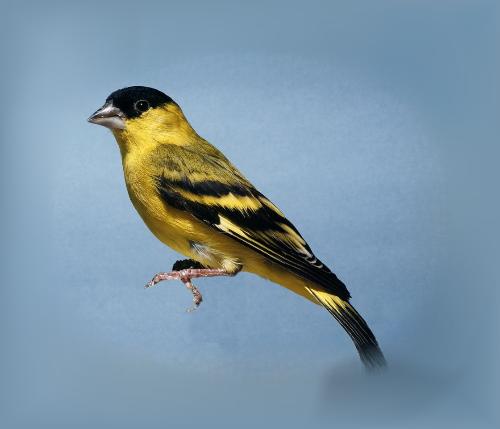
- Black-headed Siskin
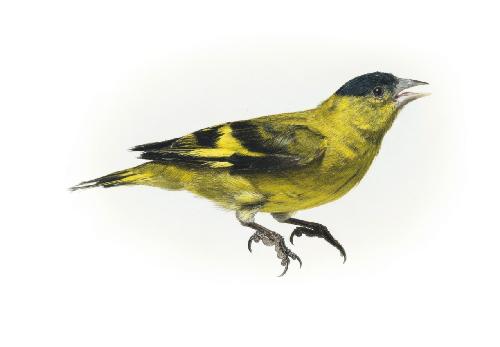
- olivaceous siskin
- eurasian siskin
- eurasian siskin
- eurasian siskin
- eurasian siskin
- eurasian siskin
- eurasian siskin
- eurasian siskin
- hooded siskin
- eurasian siskin
- tibetan serin
- andean siskin
- yellow-bellied siskin
- saffron siskin
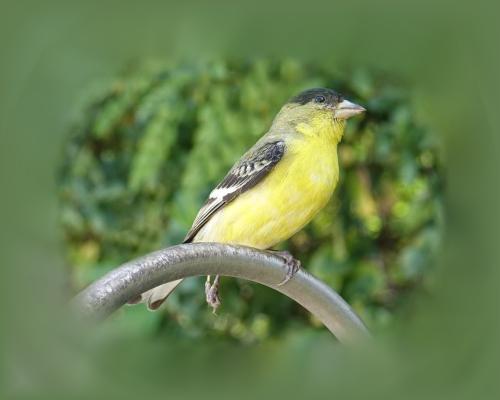
- lawrence's goldfinch
- mallard
- European Badger
- Sheep
- Nightingale
- brown lipped snail
- Panda
- Koala
- Salmon
- Apple snail
- Mussel
- Spotted salamander
Find your most suitable archetypes
Archetypes are facets of personality and behaviour: sometimes a hamster, sometimes a lion. Take a test for yourself, a friend or a pet.