










The “speckled moray” archetype
Cultural context
Across the reef-fringed atolls and coral walls of the Pacific the common morays glide through the water like living questions marks, each one half hidden, half watchful. Islanders tell of creatures that slip into crevices at dusk, then reappear without warning, jaws parted and scent of brine on their breath, reminding every diver that safety lasts only as long as the next current. They value the knack of vanishing when the swell turns treacherous and of striking when the moment is ripe; yet stories add that the same animal can rest its chin on a diver’s fin and accept a gentle touch, a sudden gentleness that tastes of salt and coral dust. Such tales treat the moray’s double face not as a fault but as the reef itself teaches survival: beauty can hide both danger and unexpected shelter.
Scales
In these island traditions the common moray appears as a creature of quick cunning and ready appetite, quick to claim the best crevice yet never quite satisfied once it has it. It meets old reef customs with restless disregard, drifting into fresh hunting grounds whenever the tide turns, yet when it joins a group of its kind it follows the largest neighbour’s lead rather than chart its own course. It keeps one eye on immediate gain, the other on the shifting light overhead, and lets others carry the weight of long loyalty while it tests each new opening the water offers.
Core traits
At the centre of the common moray lies a hunger born from unease: a suspicion that every neighbour may steal the next meal, so the fish keeps its bite ready behind the reef’s lacework. Fear of being the weaker jaw drives it to bargain with half-truths and sudden retreats, never trusting the coral’s promise of safety. Still, the same wariness sharpens its gaze; it learns the precise moment when an eel’s shadow lengthens and another’s attention wanders, and in that knowledge it discovers a narrow path toward steadier dealings.
Strong traits
Nothing in the common moray’s day stays fixed for long. It slips out of one crack at sunrise, returns at noon through another, and by dusk has changed its patrol route again, leaving yesterday’s promises to drift with the plankton. The habit keeps it alive among sudden swells and rival teeth, yet it also scatters the trust of any companion that counted on a steady neighbour. Only when danger presses from every side does the fish’s restlessness become an asset, letting it abandon an old plan in the length of a single flick.
How to be around
To stand near a common moray, watch the gills for the first quick flare that signals a change of mind, and keep your own movements smaller than the reef’s gentle sway. Offer no sudden reach; let the animal test the water between you before you ask for anything in return.
With a woman
A woman who carries the common moray’s temper may guard her plans the way the eel guards its crevice, certain that any open hand hides a hook. When she speaks of a coming task, name one small step she can hand over without losing face; the gesture answers both her fear of being short-changed and her quick appetite for advantage. Later, when the work is done, let her hear exactly what she gained by trusting you, so the next shared plan feels less like surrender and more like a fair exchange.
With a man
A man who moves like the common moray will drop one scheme at the first ripple of doubt and chase another before the water stills. When a joint effort begins to drift, step in with a single, short question that names the next concrete move; the interruption steadies his changeable course without demanding he defend yesterday’s choice. Once the new direction is set, stay close enough to remind him of the original aim if the tide turns again.
With a teenage boy
A teenage boy who thinks first of his own skin will test every offer for the hidden cost before he accepts a single favour. Sit beside him while he works on his own project and lend a tool only when he reaches for it; the quiet presence shows you are not collecting debts, and the small service costs him nothing of his independence.
With a teenage girl
A teenage girl whose days scatter like loose scales may leave notebooks, messages and promises half-finished across every surface she touches. Ask her which single corner she wants cleared first; by helping her name the limit you give her a shape she can hold, and the finished patch becomes proof that order can be chosen rather than suffered.
With a child
A child who watches how others move before deciding its own step will copy the nearest steady hand when the room grows loud. Place a familiar object where the child can reach it without asking, then stay near without directing; the small certainty lets the child borrow your steadiness while its own feelings still find their edges.
With an animal
An animal that breaks old routines as soon as a new light appears in the water needs both freedom and a single reliable corner. Set a shaded ledge at the same hour each day and leave a bright toy drifting nearby; the fixed ledge answers the need for a known place, while the toy invites the playful chase that keeps the rest of the day from feeling like a cage.
After a quarrel
A quarrel with the common moray begins when someone questions the value of what it has already claimed. A woman will answer with silence and a slow retreat into deeper water; a man will answer with a sudden change of subject that leaves the challenge hanging; a teenage boy will meet the doubt with a quick joke that turns the talk elsewhere; a teenage girl will answer by scattering her attention across three small tasks at once; a child will answer by pressing closer to the nearest adult for cover; an animal will answer by vanishing into rock before the next word is finished.
How to befriend
Friendship with the common moray grows when each shared moment brings something unmistakably new yet still safe to approach. A woman draws nearer when a fresh idea is offered without any demand that she change her own; a man stays when the next plan is allowed to differ from the last; a teenage boy lingers if the conversation drifts toward an interest he has not yet tried; a teenage girl returns when the talk leaves room for her latest scattered notion; a child warms when a story ends with a question it alone can answer; an animal settles when a new object appears in a place it already knows.
Similar archetypes
Close facets: images with a similar set of qualities.
Complete opposite
The opposite facet: images whose qualities point the other way.
- Quail
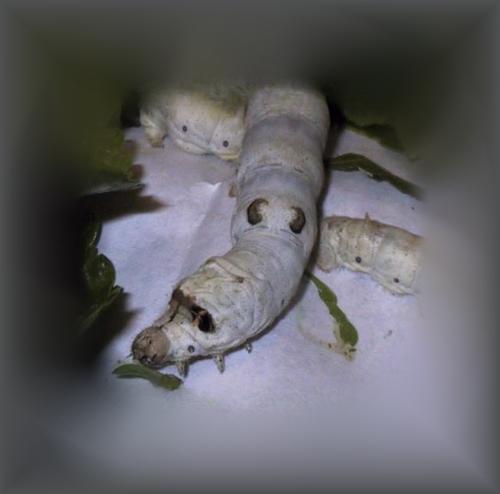
- Silkworm
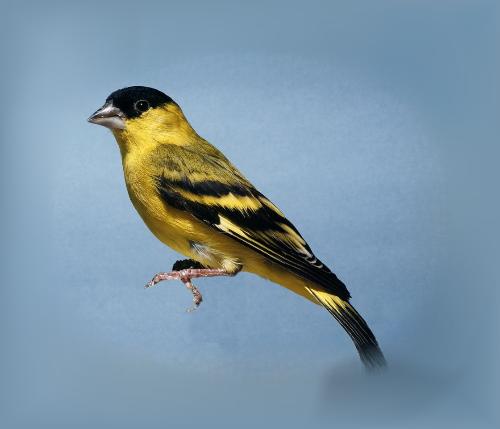
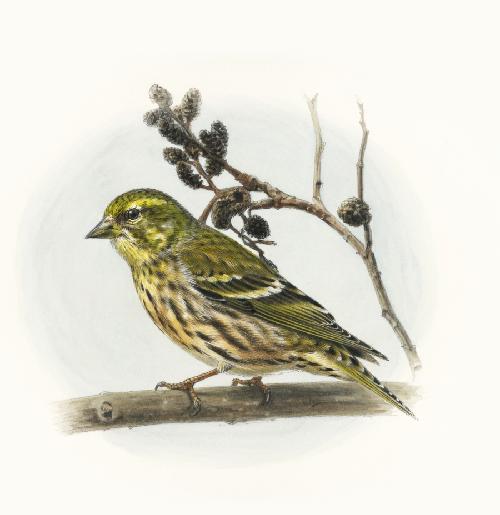
- eurasian siskin
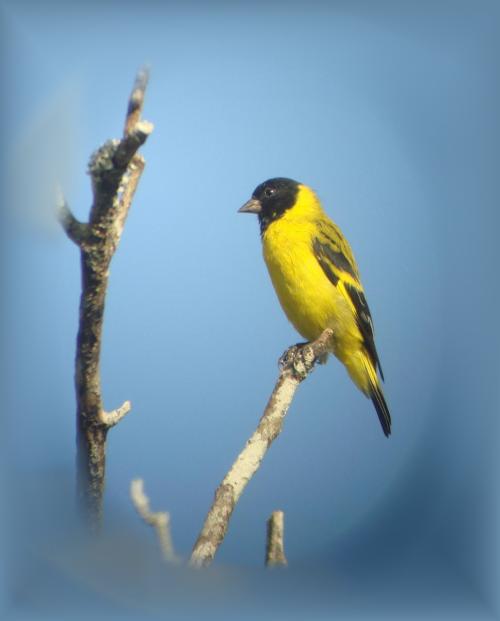
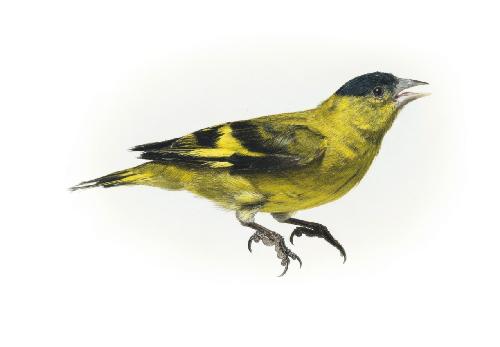
- Black-headed Siskin
- olivaceous siskin
- eurasian siskin
- eurasian siskin
- eurasian siskin
- eurasian siskin
- eurasian siskin
- eurasian siskin
- eurasian siskin
- hooded siskin
- eurasian siskin
- tibetan serin
- andean siskin
- yellow-bellied siskin
- saffron siskin
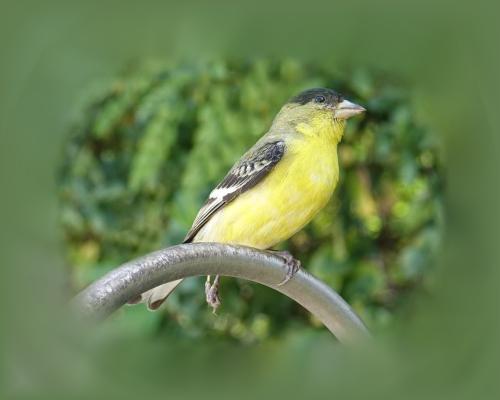
- lawrence's goldfinch
- mallard
- European Badger
- Sheep
- Nightingale
- brown lipped snail
- Panda
- Koala
- Salmon
- Apple snail
- Mussel
- Spotted salamander
Find your most suitable archetypes
Archetypes are facets of personality and behaviour: sometimes a hamster, sometimes a lion. Take a test for yourself, a friend or a pet.