










The “blackedge moray” archetype
Cultural context
Across Pacific atolls and reef-fringed lagoons, common morays carry the reputation of creatures that slip between coral shadows and open sand with equal ease. Islanders speak of them as survivors who never announce themselves, who read the surge of tide and the flicker of passing fish the way a reader scans the next line before it arrives. Their presence is felt rather than announced; a long body tucked beneath a ledge can vanish in one breath and reappear two spear-lengths away when the current turns. The stories do not praise strength or ferocity so much as the ability to keep moving, to wait, and to seize the moment when the reef itself seems to offer it.
Scales
Seen through island eyes, the common moray belongs to the narrow places where certainty frays. Traditions record a creature quick to read the angle of a hand or the tone of a voice, yet slow to pledge itself to any single current. It keeps its own counsel, changes direction without warning, and seldom lingers where yesterday’s route no longer serves. Still, the same wariness that lets it withdraw also lets it return, and the memory of a safe ledge or a reliable companion can draw it back when the reef grows rough again.
Core traits
Baseness moves through the common moray like a hidden seam of colder water beneath warmer surface flow. The animal is said to weigh every approach by what it might cost or gain, and the reef itself teaches the lesson that trust once broken is rarely mended. Yet the same low, guarded current can turn; the creature learns which gestures actually protect it and which only deepen its solitude, and over time it may leave the colder layer for the brighter one.
Strong traits
Fickleness runs through every joint of the common moray’s life, letting it dart from one crevice to another as soon as the light changes or the prey shifts. Plans made at dawn are revised by noon; a route learned yesterday is abandoned the moment the tide slackens. The same quick turns that keep it alive also leave behind unfinished hunts and startled companions who no longer know which ledge will be occupied next.
How to be around
Approach a common moray only after you have watched how the water moves around it. Speak once, then wait; repeated questions feel like nets being lowered. Offer a clear path away and it may stay; press for an answer and the body will slide deeper into shadow.
With a woman
When a woman senses that advantage is slipping, the old fear of loss can pull her toward small concealments that protect her standing. If she changes course without notice, accept the new direction without demanding the earlier reason; the gesture reassures her that the bond is not a trap. Over time such patience may ease the habit of guarding every detail as though it were currency.
With a man
A man may abandon one plan the instant another seems more promising, leaving the earlier promise hanging like an empty hook. When he shifts again, do not argue the lost ground; instead ask what the fresh route requires and whether he wants company on it. The question meets his restlessness with movement rather than restraint.
With a teenage boy
A teenage boy keeps his own counsel first and last; any offer that smells of sacrifice for others is likely to be refused outright. Let him choose the errand and the timing, then stand ready if he later asks for an extra pair of hands. The respect for his priority preserves the slender thread of trust.
With a teenage girl
A teenage girl may leave tasks half-finished when a newer interest appears, and the scattered pieces can look like carelessness. Notice the new interest aloud without scolding the unfinished one; the acknowledgment often brings her back to tidy what she started. The pattern repeats less when the next fascination arrives.
With a child
A child watches the older children before deciding where to stand or what to try, and a single firm voice can steer the choice more readily than a long explanation. At the same time the child notices when someone nearby is tired or hurt and may offer a small, wordless comfort. Both tendencies grow steadier when the surrounding current remains calm.
With an animal
An animal that once learned a feeding spot will return even after the spot has changed, yet a new toy or a different hiding ledge can draw it away just as quickly. Keep one corner of the tank untouched so the older habit has somewhere to settle, and rotate a single bright object now and then to satisfy the passing curiosity without breaking the older rhythm.
After a quarrel
A quarrel with common morays begins when someone treats words as permanent while the animal treats them as passing weather. A woman will weigh every concession as lost ground and answer with silence that feels heavier than any shout. A man meets disagreement by sliding into another subject so smoothly that the original point is left behind. A teenage boy answers pressure with a single barbed remark, then swims off before the reply can form. A teenage girl withholds the next piece of information until the questioner concedes the point. A child repeats an earlier grievance in the exact tone an adult once used, turning the quarrel into an echo. An animal simply vanishes into its pipe, leaving the dispute to settle in empty water.
How to befriend
Friendship with common morays forms when each new meeting feels like an open channel rather than a closed agreement. A woman warms when someone brings an unexpected solution to a problem she has kept to herself. A man stays longer if the conversation moves with the day’s changing light instead of circling yesterday’s plan. A teenage boy draws closer after sharing a brief, wordless task that ends as soon as it is done. A teenage girl remembers the person who noticed a small change in her routine and asked about it once, then let it rest. A child trusts the companion who waits at the edge of the game without stepping inside uninvited. An animal returns to the same ledge when the hand that feeds it arrives at the same hour each evening and leaves without reaching farther than the offered food.
Similar archetypes
Close facets: images with a similar set of qualities.
Complete opposite
The opposite facet: images whose qualities point the other way.
- Quail
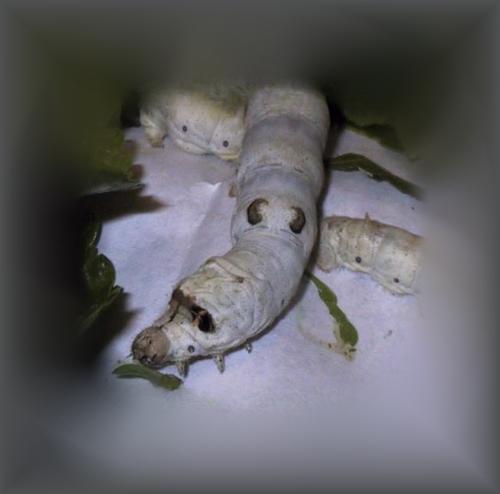
- Silkworm
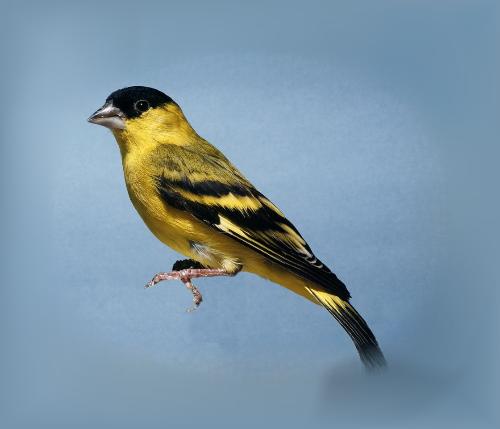
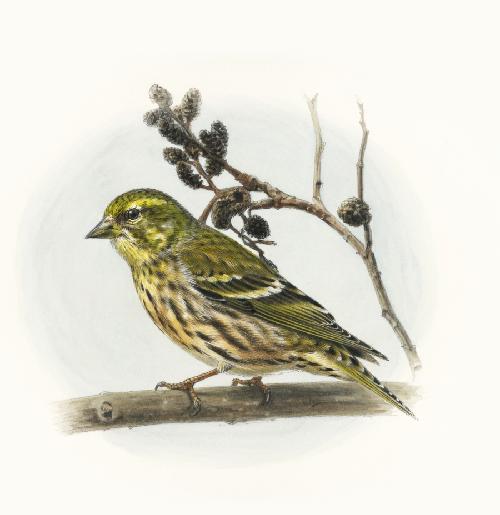
- eurasian siskin
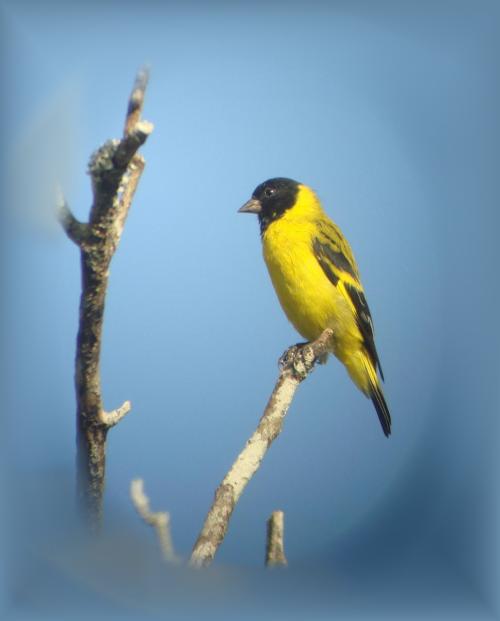
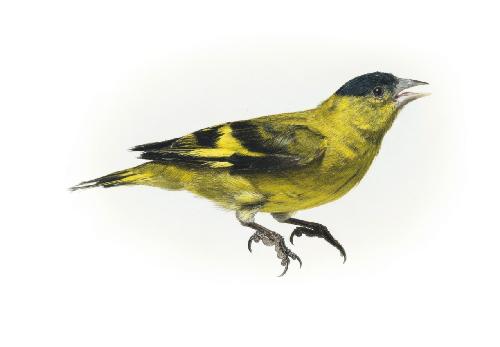
- Black-headed Siskin
- olivaceous siskin
- eurasian siskin
- eurasian siskin
- eurasian siskin
- eurasian siskin
- eurasian siskin
- eurasian siskin
- eurasian siskin
- hooded siskin
- eurasian siskin
- tibetan serin
- andean siskin
- yellow-bellied siskin
- saffron siskin
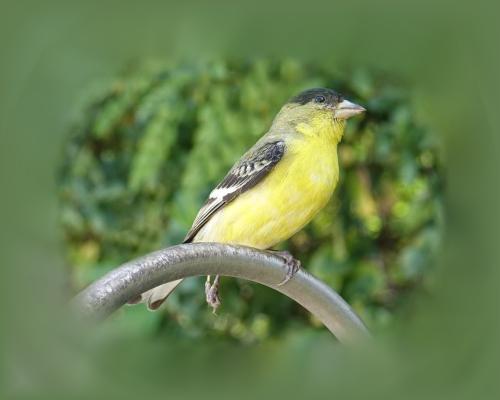
- lawrence's goldfinch
- mallard
- European Badger
- Sheep
- Nightingale
- brown lipped snail
- Panda
- Koala
- Salmon
- Apple snail
- Mussel
- Spotted salamander
Find your most suitable archetypes
Archetypes are facets of personality and behaviour: sometimes a hamster, sometimes a lion. Take a test for yourself, a friend or a pet.