










The “polygon moray” archetype
Cultural context
Across Pacific reefs where water moves like silk over broken coral, the common morays has long stood for the art of watching and waiting. Islanders tell of how a single eel can lie motionless for hours, every muscle drawn tight, then dart out the instant a shadow betrays an opening. That same patience is prized in village life: nothing is announced until the current has turned, and the person who speaks first may be the one left holding the net. People learn to read the slant of a shoulder or the flicker of an eyelid the way divers read the angle of light on sand, and every generous act carries the faint scent of an unmentioned price.
Scales
In these waters the common morays is read as a creature whose first thought is its own safety, quick to hide advantage behind a show of deference. It accepts no rule simply because it is old, yet it rarely swims against the school; instead it slips between customs, tasting each new current while keeping the reef at its back. Material comfort matters more than dreams, and when laughter ripples through a group the eel joins readily, its energy rising with the chatter yet never drifting far from the burrow it may need tomorrow.
Core traits
Baseness runs through the common morays like a thin current of ink. Born from the fear that any openness invites loss, this creature learns early to barter trust for leverage, offering warmth only long enough to learn where the next meal lies. The same instinct that makes it coil in shadows also lets it slither toward honesty once it trusts the light; the darkness is never glorified, merely acknowledged as the first shape any frightened thing takes before it dares to uncurl.
Strong traits
Fickleness moves the common morays the way tide moves floating weed, pulling it first one way, then another before the eye can settle. It can leave a crevice at dawn and forget the crevice by dusk, its loyalties shifting with every passing shoal. The gift is swift adjustment; the cost is a trail of unfinished promises that other reef dwellers learn to step around, like nets left half-mended on the sand.
How to be around
Approach the common morays with steady hands and no sudden reach. Offer facts instead of flattery, and leave space for it to test the water before it shows its head.
With a woman
When speaking with a woman, notice how quickly she weighs every exchange for hidden cost; her baseness is fear sharpened into calculation, and she will test your words for the scent of advantage. At the same time her sense of entitlement can surface as an unspoken demand that you prove useful before she grants real trust. If you meet both currents without flinching, she may slowly lower the guard she keeps around her own worth.
With a man
A man will change course mid-sentence if a better opening appears, his fickleness dressed as quick thinking. Beneath that restlessness sits a stubborn streak that flares when anyone questions his right to decide. Give him room to pivot, yet hold one clear boundary; the quarrelsome edge softens only when he sees the line will not move.
With a teenage boy
A teenage boy keeps his own comfort first, measuring every task by what it costs him rather than what it might give others. When the group turns toward a shared plan he lingers at the edge, eyes on an exit. Ask little, promise less, and let him choose the moment he steps forward; pressure only deepens his retreat into himself.
With a teenage girl
A teenage girl drifts through plans like water through fingers, schedules dissolving as new interests catch her eye. She may leave a half-written page or an unmade bed without a second glance, the trail of unfinished chores marking her passage. Offer one small anchor at a time, a single promised hour rather than a week-long list, and she may return to the page she left open.
With a child
A child watches the room before it acts, copying the nearest voice until its own preference surfaces. When feelings run high it senses the shift in the air and may reach out with a small hand or a softer tone. Keep routines steady so the borrowed shape does not become the only shape it knows, and answer the quiet question it asks with its eyes.
With an animal
An animal will suddenly refuse the old feeding ledge if a brighter corner appears, breaking yesterday’s pattern without ceremony. Yet when you toss a shell across the tank it may chase it with sudden, playful flicks of tail. Let the ledge move when it moves; the play returns faster if the break with habit is met with calm rather than correction.
After a quarrel
The common morays fights with silence and timing rather than raised voices. A woman slips away from the argument to let your own words work against you. A man stays in the room yet offers only short, cutting replies that leave the matter unresolved. A teenage boy meets every point with a shrug, the gesture itself a refusal to invest. A teenage girl smiles sweetly while rearranging the facts so the blame lands elsewhere. A child repeats what you just said in a mocking singsong, turning your seriousness into a game. An animal simply vanishes into the nearest crevice, leaving the quarrel floating above empty water.
How to befriend
The common morays opens to anyone who brings a fresh current rather than the same old tide. A woman responds when you mention an idea she has not yet tested. A man stays if you let him steer the conversation toward tomorrow’s plan instead of yesterday’s grievance. A teenage boy lingers when the talk turns to a skill he has not tried. A teenage girl brightens at the chance to rearrange an old plan into something newer. A child edges closer once the day keeps its small promises. An animal returns to the same hand if the hand sometimes offers an unfamiliar shell or a new game of light on the sand.
Similar archetypes
Close facets: images with a similar set of qualities.
Complete opposite
The opposite facet: images whose qualities point the other way.
- Quail
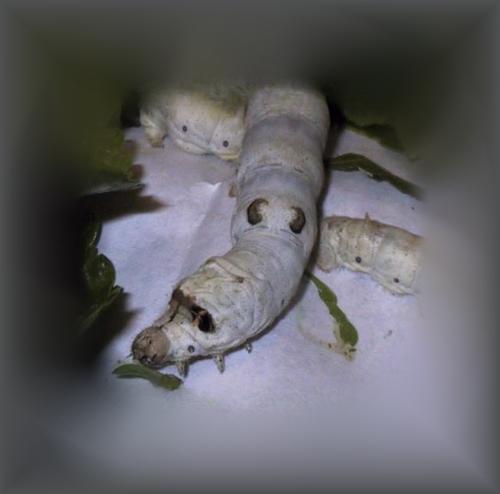
- Silkworm
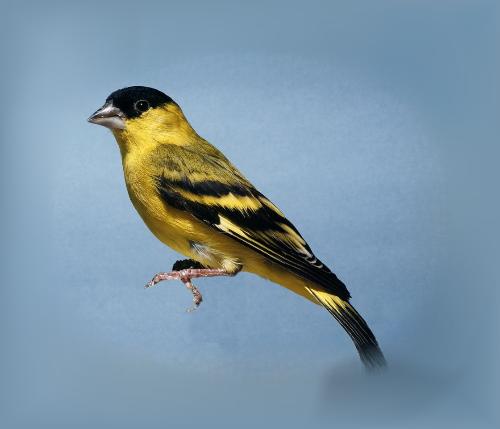
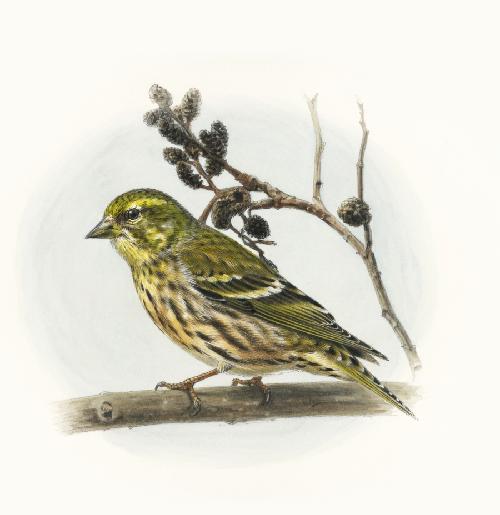
- eurasian siskin
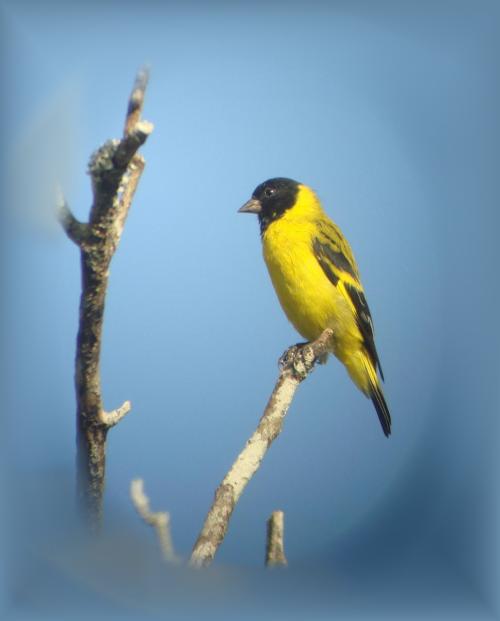
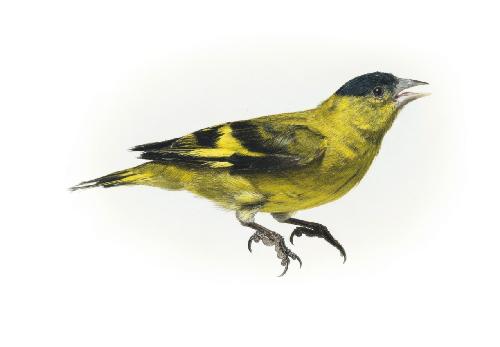
- Black-headed Siskin
- olivaceous siskin
- eurasian siskin
- eurasian siskin
- eurasian siskin
- eurasian siskin
- eurasian siskin
- eurasian siskin
- eurasian siskin
- hooded siskin
- eurasian siskin
- tibetan serin
- andean siskin
- yellow-bellied siskin
- saffron siskin
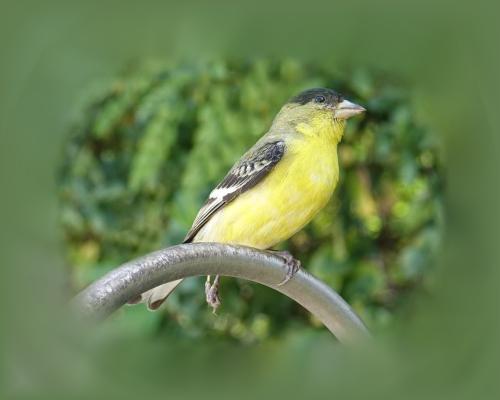
- lawrence's goldfinch
- mallard
- European Badger
- Sheep
- Nightingale
- brown lipped snail
- Panda
- Koala
- Salmon
- Apple snail
- Mussel
- Spotted salamander
Find your most suitable archetypes
Archetypes are facets of personality and behaviour: sometimes a hamster, sometimes a lion. Take a test for yourself, a friend or a pet.