










The “Rüppell's moray” archetype
Cultural context
Pacific islanders have watched common morays glide beneath coral ledges for generations, reading their sudden darts and hidden retreats as lessons in survival. The creatures lie motionless like coiled ropes of shadow, then strike with teeth that flash in green water and vanish again before the ripples settle. Islanders keep similar habits: they measure strength by silence, store trust the way reef fish hoard bits of shell, and treat every newcomer the way the eel treats an unfamiliar current—watching first, revealing nothing.
Scales
In these traditions the common morays speak of restless invention and a restless appetite. They turn toward anything unknown with the same quick twist they use to leave a cave, yet they never forget the comfort of their own crevice. Their minds accept fresh shapes easily, but their loyalty to the known rock is fierce; they circle new territory before they claim it, then guard the entrance as if the reef itself might shift beneath their jaws. They remain in the world rather than above it, part of its moving floor, never above its tide.
Core traits
Baseness runs through the common morays like silt through reef water, clouding every current. Fear of exposure drives them to hoard shelter and food, to slip away with what another creature might have claimed, to trade openness for advantage. The same fear can become a teacher: once the moray learns that the reef still holds it even when it shows its full length, the hoarding loosens and something steadier takes its place, a steadiness earned rather than borrowed.
Strong traits
Fickleness moves the common morays the way a passing cloud moves sunlight across sand. One moment they lie still in a crevice; the next they have left it for another, as if yesterday’s wall had never mattered. This quick turning keeps them alive when the tide shifts, yet it leaves companions uncertain whether the same eel will return to the same ledge or choose a new one before night falls again.
How to be around
Approach common morays the way light approaches the reef—steady, never sudden. Watch the slight lift of gill covers, the pause before a turn, and answer only when the pause lengthens into invitation. Offer nothing that cannot be withdrawn without loss; let the animal choose the distance and the moment.
With a woman
When a woman moves with the caution of a moray that has once been hooked, notice the small invention she uses to keep her ground without claiming it. She may test loyalty by changing plans at the last hour; meet the change with the same quiet steadiness she shows when she returns. If she withholds a confidence, do not press; the withheld thing is not a weapon but a test of whether the reef remains safe when she finally shows its full length.
With a man
A man who carries the moray’s restlessness may abandon a shared plan as suddenly as the eel leaves one crevice for another. Ask what new direction now draws him; do not ask why the old one failed. When he defends a corner of the work with sudden sharpness, let the sharpness pass like a wave over stone; the quarrelsome moment is only the surface of his need to feel the ground still beneath his own teeth.
With a teenage boy
A teenage boy who keeps his own counsel the way a moray keeps its crevice may appear to care only for his own safety. Offer a single task that belongs to him alone and let him finish it without an audience. The moment he turns back toward company, the self-first habit has already loosened its hold for that hour.
With a teenage girl
A teenage girl whose attention scatters like sand in a turning tide can leave a room mid-sentence and return with an entirely different plan. Let the unfinished sentence stand; do not demand she pick it up. When she later circles back to the same thought, the carelessness has already begun to arrange itself into something she can finish.
With a child
A child who follows the louder voice in the room the way a small moray follows an older one may still notice when that voice grows uncertain. Place one object within reach and wait; the child’s glance toward you before touching it shows the first flicker of separate judgment. Answer the glance with stillness rather than direction, and the borrowed certainty begins to thin.
With an animal
An animal that breaks from the usual path to investigate a new scent will also return to the old ledge once the scent fades. Place nothing that demands it stay; leave the new scent and the old ledge both available. The brief departure and the certain return are the animal’s own measure of freedom.
After a quarrel
Quarrel with common morays and the reef itself seems to narrow. A woman will answer with a silence that weighs more than speech, testing whether you still value what she withholds. A man will hold his position as if the crevice were the only solid ground left. A teenage boy will leave the room without explanation, carrying his attention elsewhere. A teenage girl will scatter the conversation into fragments no one can reassemble. A child will repeat the last safe phrase until the quarrel loses its target. An animal will simply vanish into the nearest shadow, leaving the dispute to dissolve in empty water.
How to befriend
To befriend common morays, set nothing that cannot be left untouched. A woman draws closer when an unexpected interest of hers is remembered without being asked about. A man stays when a plan is altered and the change is treated as ordinary rather than failure. A teenage boy lingers if the next meeting is left open rather than scheduled. A teenage girl returns if a scattered remark from last week is mentioned again as if it still matters. A child edges nearer when a choice is offered and then left entirely in their hands. An animal will rest in the same pool if the water is never stirred to make it move.
Similar archetypes
Close facets: images with a similar set of qualities.
Complete opposite
The opposite facet: images whose qualities point the other way.
- Quail
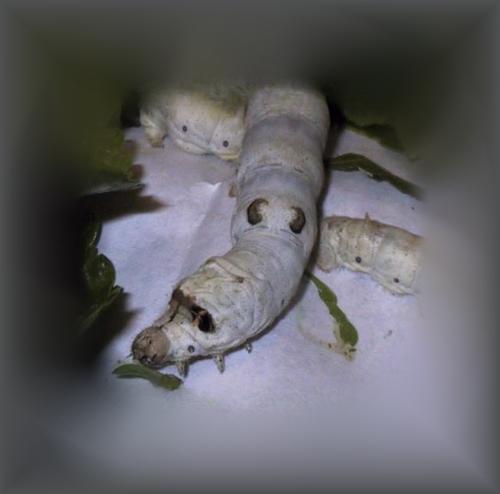
- Silkworm
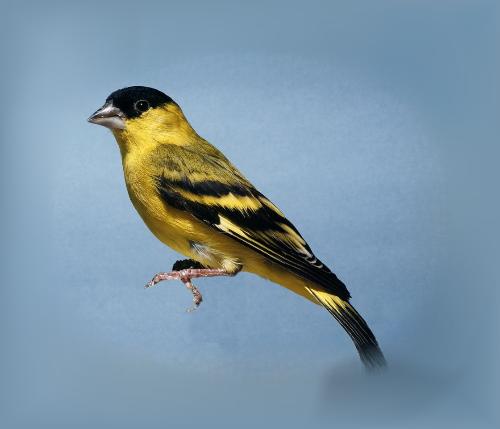
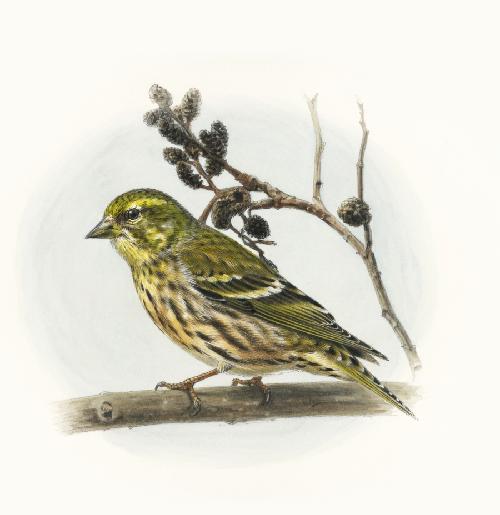
- eurasian siskin
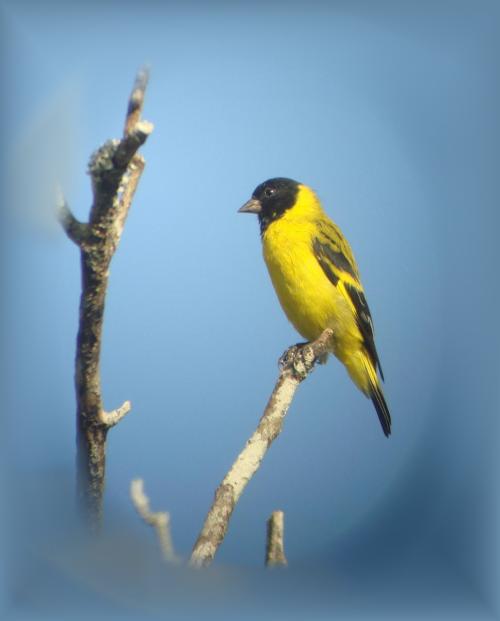
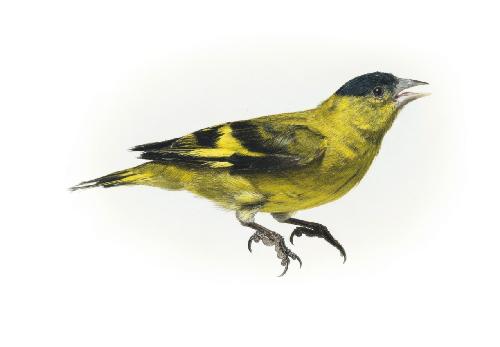
- Black-headed Siskin
- olivaceous siskin
- eurasian siskin
- eurasian siskin
- eurasian siskin
- eurasian siskin
- eurasian siskin
- eurasian siskin
- eurasian siskin
- hooded siskin
- eurasian siskin
- tibetan serin
- andean siskin
- yellow-bellied siskin
- saffron siskin
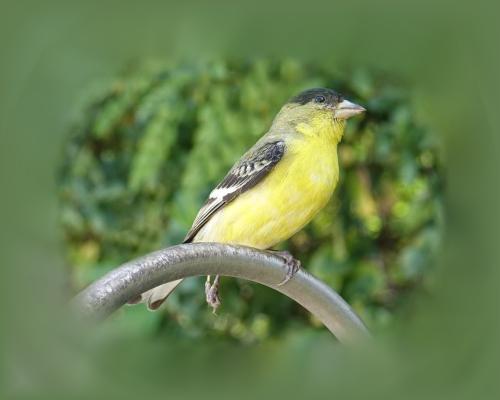
- lawrence's goldfinch
- mallard
- European Badger
- Sheep
- Nightingale
- brown lipped snail
- Panda
- Koala
- Salmon
- Apple snail
- Mussel
- Spotted salamander
Find your most suitable archetypes
Archetypes are facets of personality and behaviour: sometimes a hamster, sometimes a lion. Take a test for yourself, a friend or a pet.