










The “blacktail moray” archetype
Cultural context
Across Pacific atolls, divers watch the blacktail morays glide between coral corridors like shadows with eyes. Islanders speak of them as keepers of hidden thresholds, never quite still, never quite open, slipping from crack to crevice with the tide’s changing breath. The reefs teach them to read water as others read faces: a ripple may mean food or flight, a sudden turn may bring safety or a stranger’s net. In that world, trust is earned by silence kept and never squandered, while loyalty flows only toward those who prove they will not barter it for gain.
Scales
Pacific traditions cast the blacktail morays in the light of shrewd survival rather than lofty ideals. Where custom dissolves under new currents, they turn readily toward whatever shelter the reef offers next. They calculate risk as a diver measures air, never lingering on yesterday’s promise if today’s tide pulls elsewhere. Prestige belongs to those who keep their own skin whole and their hiding places secret; generosity is measured by whether it buys lasting protection or merely a fleeting smile from the shoal.
Core traits
Baseness in the blacktail morays surfaces like silt stirred from the sand, born of the fear that everything can be taken away in a single wave. When threatened, they withdraw into narrow dens and let others swim into the open first; if the current turns, they shift allegiance without announcement, guarding their own flanks before any shared refuge. Yet the same pressure that breeds suspicion also sharpens their eye for truth once the danger passes, allowing a slow return to steadier trust when the reef feels safe again.
Strong traits
Fickleness runs through the blacktail morays like a cross-current that never settles on one course. They enter a crevice with one plan and leave by another, shedding yesterday’s alliances as easily as old skin. The same quick turn that lets them escape a net can scatter companions mid-hunt or abandon a shared shelter half-built. Still, this restlessness keeps them alive where slower creatures are trapped, their constant motion reading every new shadow before it becomes danger.
How to be around
Approach the blacktail morays with patience and a steady hand; sudden gestures only drive them deeper into the reef. Watch how they test each opening before committing, and match their rhythm instead of demanding yours.
With a woman
A woman moves through conversation like a blacktail moray testing a crevice: she circles the claim, senses the hidden current, and withdraws the moment advantage tilts. Offer proof rather than persuasion; let her see the numbers, the route, the risk before she decides whether to share the shelter. When fear whispers that generosity may be a trap, she may test loyalty with small withdrawals; answer by keeping every promise visible and unchanged, turning suspicion into the first step toward an honest alliance.
With a man
A man may shift plans between one breath and the next, leaving yesterday’s agreement drifting like loose coral. Meet the change without protest; instead, anchor the next step to what he now values, showing how the new direction still serves his own safety. When quarrelsomeness flares, let the reef absorb the first surge; return later with a narrower, steadier offer that does not ask him to yield ground he has already claimed.
With a teenage boy
A teenage boy watches every shared task for the first sign that someone else will claim the larger share. Give him the lead on the piece he can finish alone, then step back so the success stays his; the moment he senses the gain is being measured for another, he slips away. Let him keep the credit in plain sight, and the same self-first instinct that once pulled him aside can become the reason he returns to finish what he started.
With a teenage girl
A teenage girl may leave a plan half-done when a brighter current appears, her attention scattering like sand in a sudden surge. Accept the shift without demanding she finish the old list; instead, help her carry only what still matters into the new one. The carelessness that drops yesterday’s list can become the lightness that lets her explore the next opening without fear of being judged for leaving the first behind.
With a child
A child watches how the group moves and follows the strongest motion, rarely questioning the direction until the current changes. Offer a clear, simple path and stay beside it; when the child senses another’s uncertainty, the same tendency to follow can lead them into trouble. At the same time, notice the small flinch when a voice rises or a hand moves too fast; answer with quieter tones and slower gestures so the sensitivity that once made them anxious now lets them read safety in your steadiness.
With an animal
An animal may ignore the old feeding ledge once a new shadow falls across it, choosing instead a darker ledge farther from the usual route. Place the food where the new ledge can be reached without crossing open water; the break with habit is not defiance but a fresh reading of safety. When the animal lingers to nose a floating leaf or chase its own tail in the current, answer with a brief, quiet game rather than insisting it return to yesterday’s routine.
After a quarrel
Quarrels begin when someone treats tomorrow’s shelter as already owed. A woman senses the claim as another trap and withdraws without explanation; meet her silence by stating only what can be verified today. A man hears a plan questioned in front of others and answers with sudden sharpness; lower the stakes by moving the talk to a narrower space where no audience watches. A teenage boy treats any demand for shared effort as theft and slips away; let him keep the first gain before asking for the second. A teenage girl drops the argument when it threatens to pin her to one version of events; allow the version to change mid-sentence without calling the change a lie. A child follows the louder voice and later feels the sting of having chosen wrongly; correct the choice in private so the public moment stays safe. An animal bolts at the first raised tone and will not return until the sound itself has left the water; lower your voice and wait at the edge of its new ledge rather than calling it back to the old one.
How to befriend
Trust grows when each new current is met with curiosity instead of demand. A woman warms when her latest discovery is greeted with genuine interest rather than yesterday’s expectation; ask what she learned today and leave the older question for another tide. A man draws closer when a fresh plan is offered without the weight of previous agreements; join the new direction first, then let the older one fade if it no longer fits. A teenage boy stays when the task is small enough that success stays visibly his; celebrate the single completed step before suggesting the next. A teenage girl lingers when the next idea is welcomed without first finishing the last; walk beside the new interest instead of steering back to the abandoned one. A child follows more readily when the path is shown rather than explained; move first, speak after. An animal returns to the same ledge when the approach is quiet and the offering is left without insistence; let the choice of timing remain its own.
Similar archetypes
Close facets: images with a similar set of qualities.
Complete opposite
The opposite facet: images whose qualities point the other way.
- Quail
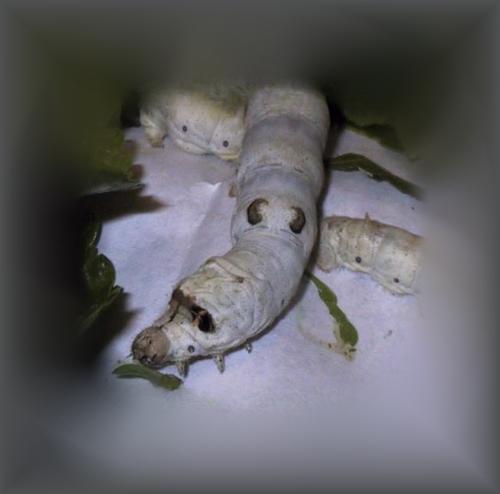
- Silkworm
- eurasian siskin
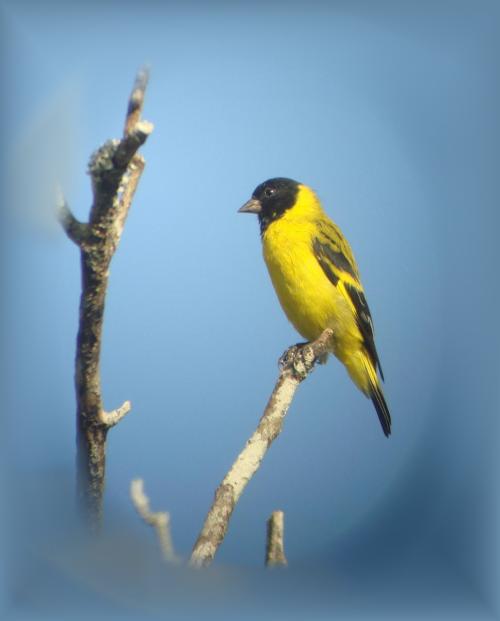
- Black-headed Siskin
- olivaceous siskin
- eurasian siskin
- eurasian siskin
- eurasian siskin
- eurasian siskin
- eurasian siskin
- eurasian siskin
- eurasian siskin
- hooded siskin
- eurasian siskin
- tibetan serin
- andean siskin
- yellow-bellied siskin
- saffron siskin
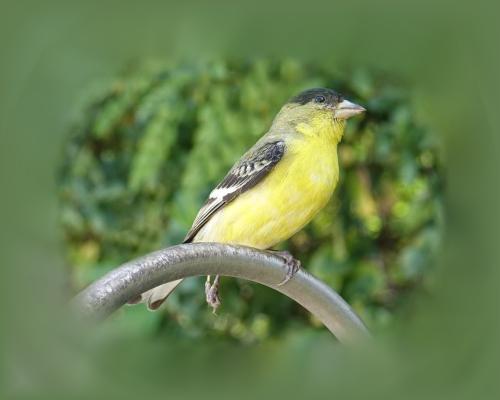
- lawrence's goldfinch
- mallard
- European Badger
- Sheep
- Nightingale
- brown lipped snail
- Panda
- Koala
- Salmon
- Apple snail
- Mussel
- Spotted salamander
Find your most suitable archetypes
Archetypes are facets of personality and behaviour: sometimes a hamster, sometimes a lion. Take a test for yourself, a friend or a pet.