










The “hepatic moray” archetype
Cultural context
Common morays thread through the coral gardens of Pacific waters like half-hidden needles of light. Islanders tell of slender bodies slipping through reef passages, bright jaws flashing once and then gone, the same flash that can turn from greeting to sudden bite in a single heartbeat. Where fishermen leave offerings of broken shell, the eel’s quick change from stillness to lightning strike has become a living parable: beauty and risk share the same skin, and a reef that shelters one hand may sting the other before the tide turns.
Scales
In island lore the common moray moves through a shifting current of cunning and entitlement, seldom lingering long enough for trust to take root. Its quarrelsomeness shows as sudden lunges at anything that crowds its crevice, while a stubborn refusal to leave once settled mirrors the stubborn tide that will not be turned. Care for itself comes first; it will abandon a shared lair at the first hint of hunger, yet its energy in company rises whenever the reef stirs with other fish, a brief flare of boldness before it slides back into solitude.
Core traits
At the core lies baseness, a low tide of self-doubt that drives the common moray to seize what it can before another mouth claims it. Fear of being left empty pushes the eel into deceitful darts from shadow to shadow, betraying yesterday’s alliance the moment a richer prize appears. Yet the same impulse can turn honest when the eel learns that steady loyalty fills its belly longer than any stolen bite, the darkness learning, slowly, to feed on daylight.
Strong traits
Fickleness colours every turn the common moray takes, a living ribbon that knots and unknots without warning. One moment it lies coiled in patient welcome, the next it has slipped into an entirely different crevice, leaving companions to wonder where the current carried it. Such quicksilver shifts let the eel thrive among changing tides, yet they scatter every long promise like sand in the surge, leaving relationships thinner each time the eel changes course.
How to be around
To move safely beside a common moray, watch the slight tremor along its flank before it darts; that ripple is the only promise it gives. Offer space rather than questions, and let it choose its own moment to glide closer. The reef teaches patience: the hand that waits sees the full shimmer of the body; the hand that grabs meets only teeth.
With a woman
A woman who carries the moray’s temper guards every advantage the way the eel guards its crevice, certain that anything unclaimed will be taken. When fear whispers that she may lose standing, she may bend a story or withhold a small truth to keep her footing secure. If you sense the calculation, name the need plainly and share what you can spare; the gesture disarms the old fear and lets her practice the honesty she secretly prefers.
With a man
A man of the same current will change his declared plan the instant a brighter opportunity glints, leaving yesterday’s promise drifting like loose weed. His quarrels flare when anyone tries to pin the plan in place, and his stubborn silence can last until the tide itself shifts. Meet him at the new heading without reproach, then ask once what he now intends; the single question respects both his restlessness and his need to steer.
With a teenage boy
A teenage boy keeps his own hunger first, measuring every shared task against the cost to his private plans. When the group asks too much, he slips away without explanation, returning only when the reef again feels safe. Let him choose the slice of work he will claim, and notice aloud the portion he completes; the recognition feeds the part of him that still hopes to give without losing himself.
With a teenage girl
A teenage girl moves through her days without fixed order, notebooks left open, plans rewritten between tides. She dislikes being reminded of yesterday’s schedule and will scatter it the moment it feels heavy. Ask only what single step she wants to finish today; the modest request honours her love of the unplanned while still giving the day a small spine.
With a child
A child follows whichever older voice sounds surest at the moment, drifting from game to game as the reef’s shadow lengthens. Yet a faint sensitivity catches the smallest change in another’s face, and that soft attention can steady the child when the current grows rough. Stay near without steering; the child will borrow your calm the way a small fish rides the larger eel’s slipstream.
With an animal
An animal turns from the usual resting ledge as soon as a new crack in the rock appears more interesting, breaking yesterday’s habit without a backward glance. In the same breath it may pause to nose a floating leaf, inventing a brief game from nothing. Leave the new ledge unmarked and the leaf where it spins; both the break with custom and the spark of play are safest when no hand rearranges them.
After a quarrel
A quarrel begins when the common moray’s practical eye measures every word for hidden cost and finds the price too high. It will defend its scrap of reef with quick, material arguments rather than appeals to feeling. A woman answers any doubt about her account books with a colder distance; a man snaps when his latest plan is questioned mid-stroke; a teenage boy sulks the moment the group asks him to stay; a teenage girl shuts her door once chores multiply; a child goes still and silent when laughter is demanded on cue; an animal simply withdraws into the farthest tunnel until the voices fade.
How to befriend
Friendship grows when someone brings the moray a fresh curiosity—an unusual shell, a new current to test—without demanding that old habits be kept. The eel meets novelty with cautious interest, and once the new thing proves safe it may linger rather than flee. A woman stays when invited to explore an unfamiliar market together; a man returns if each meeting ends with a different route home; a teenage boy draws closer after a shared discovery rather than a shared rule; a teenage girl trusts the friend who never finishes her sentences; a child opens up after one new story instead of one new chore; an animal accepts the hand that offers a moving toy instead of a fixed bowl.
Similar archetypes
Close facets: images with a similar set of qualities.
Complete opposite
The opposite facet: images whose qualities point the other way.
- Quail
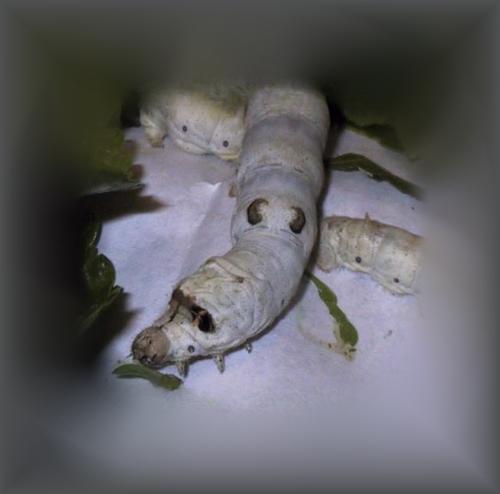
- Silkworm
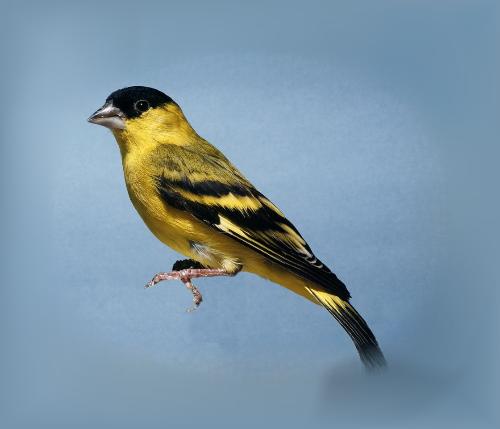
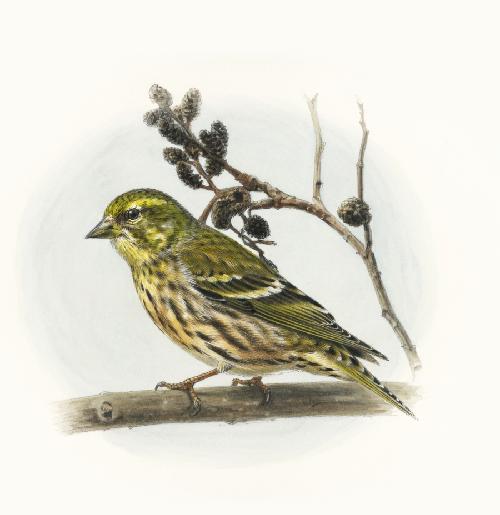
- eurasian siskin
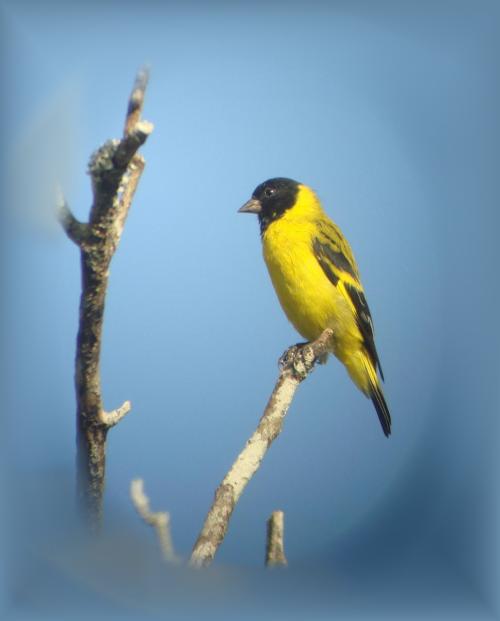
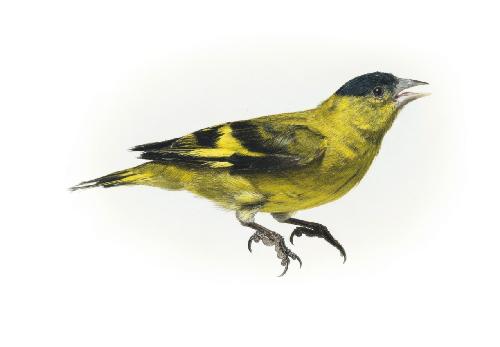
- Black-headed Siskin
- olivaceous siskin
- eurasian siskin
- eurasian siskin
- eurasian siskin
- eurasian siskin
- eurasian siskin
- eurasian siskin
- eurasian siskin
- hooded siskin
- eurasian siskin
- tibetan serin
- andean siskin
- yellow-bellied siskin
- saffron siskin
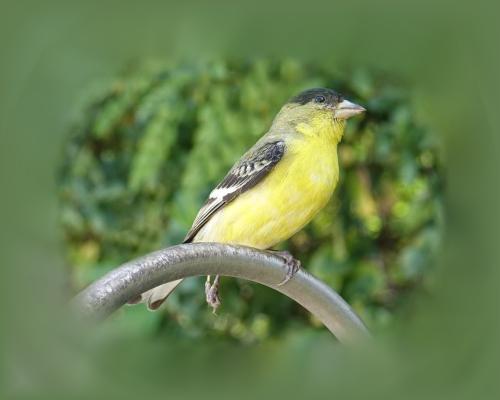
- lawrence's goldfinch
- mallard
- European Badger
- Sheep
- Nightingale
- brown lipped snail
- Panda
- Koala
- Salmon
- Apple snail
- Mussel
- Spotted salamander
Find your most suitable archetypes
Archetypes are facets of personality and behaviour: sometimes a hamster, sometimes a lion. Take a test for yourself, a friend or a pet.