










The “Yellow-edged moray” archetype
Cultural context
In the warm shallows of the Pacific the yellow-edged moray glides like a blade through coral corridors where sunlight flashes and shadows tangle. Island peoples have long watched the creature vanish into reef crevices and reappear without warning, reading its sudden appearances as reminders that the sea itself changes plans at will. The moray’s calm wait in a crevice, the quick lunge when prey drifts near, the scent of salt and crushed shells that lingers in its wake—all these scenes have shaped an image of patience laced with surprise. Islanders speak of such moments as mirrors for human conduct, where generosity can fold into reserve the instant the current turns.
Scales
Seen through Pacific traditions the yellow-edged moray reads as a creature drawn to whatever glitters in the reef yet quick to claim it for itself, its jaws closing around opportunity before others arrive. It meets novelty with an alert flick of the tail, yet it never lingers long enough for any single current to shape its course. The moray rarely questions the drift of the tide; instead it slips along, letting the world’s motion carry its decisions. Beneath that drifting motion runs an undercurrent of unease whenever a fixed shelter is offered, for the eel prefers the liberty of an open crevice to the weight of a permanent den.
Core traits
At the heart of the yellow-edged moray lies a current of baseness that moves like silt stirred from the reef floor whenever trust is tested. Fear of being cornered sends the eel into crevices where its outline blurs, and from those shadows it may strike at the hand that once fed it. Yet each strike leaves a trace of discomfort, a faint tug that can, in time, pull the moray toward clearer water and cleaner dealings, though the journey often ends before the light is reached.
Strong traits
Fickleness runs through the yellow-edged moray like the flicker of silver minnows across its flank, a restless shimmer that lets the eel abandon one hunting ground the moment another current offers richer prey. Plans shift with the turn of a fin, loyalties dissolve as quickly as bubbles rising from the sand, and any long venture dissolves before its first milestone is passed. The same quicksilver motion that keeps the moray alive also keeps it from ever finishing the tunnels it begins to carve.
How to be around
To live beside a yellow-edged moray one must learn the rhythm of its hiding places, watching for the slight ripple that signals an about-to-change mind and offering options rather than commands so the eel may still feel the current is its own.
With a woman
When a woman carries the moray’s temperament, she may barter small confidences for larger advantages, her charm bright as the reef at noon yet quick to cloud when advantage slips elsewhere. Offer her clear facts about what each choice truly costs; let her weigh the profit herself, and she may, on rare days, repay the honesty with one of her own.
With a man
A man who shares the moray’s temperament will argue for the sake of motion, shifting his stance the instant another current promises easier passage. Present each disagreement as a single reef to cross rather than a chain of reefs, and leave him room to change course without losing face; otherwise every discussion becomes another crevice from which he will strike.
With a teenage boy
A teenage boy marked by the same current will keep his own counsel even when help is offered, measuring every favour for the price it might later exact. Ask what he needs before extending a hand, and accept that the answer may change before the words have settled; the gesture still registers, though he may never admit it aloud.
With a teenage girl
A teenage girl touched by the moray’s restlessness will scatter her attention across a dozen half-finished plans, none of them anchored long enough to gather weight. Notice the single thread she returns to most often and ask, without pressure, whether she wants company while she follows it; the question itself can steady the drift for an afternoon.
With a child
A child who moves like the yellow-edged moray will trail after whichever voice sounds most certain, yet a gentle question about how they feel can surface the small worries they have already begun to mimic. Keep the question brief, then let them choose the next game; their answer may shift by evening, but the moment of being heard lingers longer than the game itself.
With an animal
An animal bearing the moray’s pattern will ignore yesterday’s route and nose along a new ledge simply because the light strikes it differently today. Place a familiar scent on the new ledge and allow the creature its own inspection; the ritual of rediscovery matters more than any fixed path you might have planned.
After a quarrel
To quarrel with a yellow-edged moray is to stir the silt that usually hides its calculations; accusations of hidden motives rise like clouds of sand, and the eel answers by vanishing into the nearest crevice of logic. A woman will measure each slight against future profit and reply with icy courtesy that withholds the next favour. A man will insist the argument itself is pointless, then circle back hours later with a different premise. A teenage boy answers with shrugs that grow heavier each time the subject returns. A teenage girl meets the clash with bright laughter that never reaches her eyes and later withholds her company without explanation. A child will cry at the precise moment an audience appears, turning sympathy into another current to ride. An animal simply withdraws to the farthest corner of its tank and refuses every offered hand until the water clears.
How to befriend
To befriend a yellow-edged moray one must become a steady light rather than a sudden hand, letting the eel approach on its own timetable and never asking it to declare its route in advance. A woman responds when help arrives without announcement and departs without tally. A man stays close when shared tasks require no speeches about loyalty. A teenage boy lingers when conversation turns to practical skills rather than feelings. A teenage girl returns when new ideas are offered without any demand that she choose one. A child settles when the next game is suggested only after their own choice has been heard. An animal relaxes when the same hand appears at the same hour each day, bringing neither surprises nor expectations.
Similar archetypes
Close facets: images with a similar set of qualities.
Complete opposite
The opposite facet: images whose qualities point the other way.
- Quail
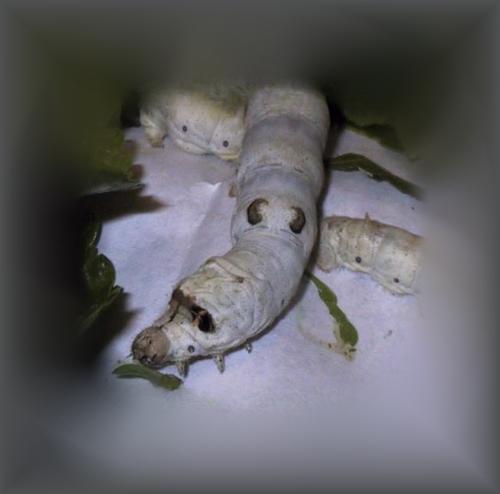
- Silkworm
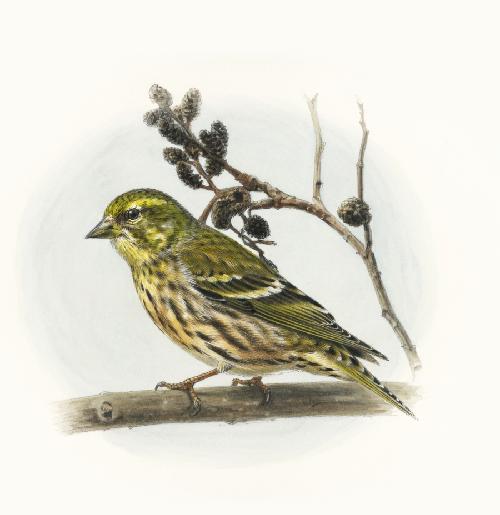
- eurasian siskin
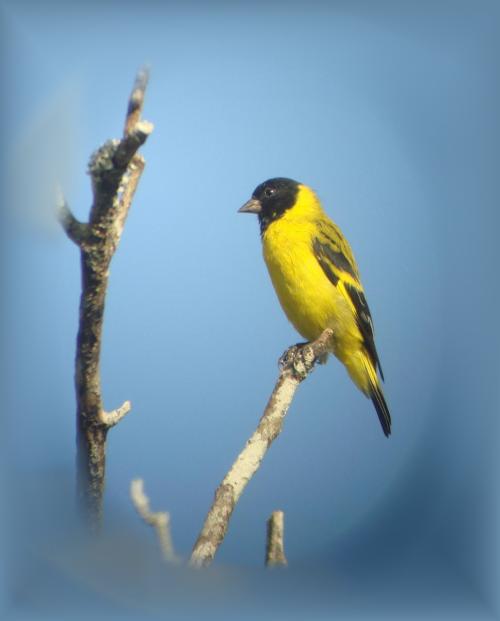
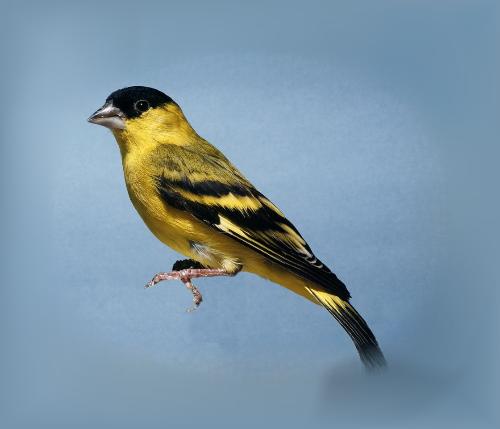
- Black-headed Siskin
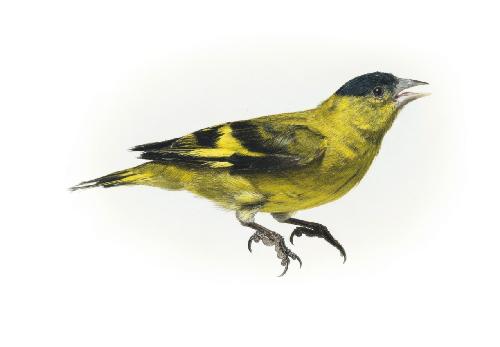
- olivaceous siskin
- eurasian siskin
- eurasian siskin
- eurasian siskin
- eurasian siskin
- eurasian siskin
- eurasian siskin
- eurasian siskin
- hooded siskin
- eurasian siskin
- tibetan serin
- andean siskin
- yellow-bellied siskin
- saffron siskin
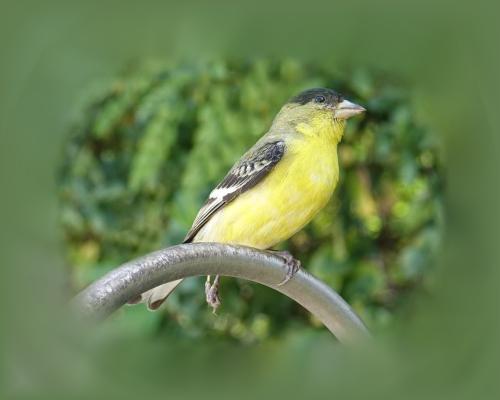
- lawrence's goldfinch
- mallard
- European Badger
- Sheep
- Nightingale
- brown lipped snail
- Panda
- Koala
- Salmon
- Apple snail
- Mussel
- Spotted salamander
Find your most suitable archetypes
Archetypes are facets of personality and behaviour: sometimes a hamster, sometimes a lion. Take a test for yourself, a friend or a pet.