





The “rosy-faced lovebird” archetype
Cultural context
In the scrublands of southern Africa the rosy-faced lovebird threads a bright ribbon of loyalty through every dawn flight and evening roost, its voice a quicksilver bell above the grass. Neighbours speak of pairs that claim the same hollow year after year, never loosening their clasp on one another even when the rains fail. European storytellers have taken this picture and set it inside the frame of the steadfast household, where two people can be seen leaning into the same small circle of light each evening, guarding their shared warmth as jealously as the birds guard their nesting chamber.
Scales
Tradition reads the lovebird as unassuming yet inwardly awake, content with plain seed and a single perch yet always turning toward some deeper pattern of belonging. It moves through the flock with light-footed laughter, turning every dip of the wing into a shared joke, yet its laughter can darken in an instant if a rival feather brushes too close. The bird carries its own small independence like a bright pebble in its beak, testing the air before it drops it, while the circle of companions still tugs at its heart. It keeps its strength modest, its feelings finely tuned, and its promises small enough to keep.
Core traits
Loyalty roots the lovebird so deeply that every choice bends toward the nest-mate already chosen. When drought thins the flock, the bird stays at its partner’s side, offering the last seed even when its own crop feels hollow. The same steadfastness, however, can press the past into the present like an old scent that will not fade, leaving little room for new companions or altered paths.
Strong traits
Kindness runs through the lovebird like sap through young wood, softening every encounter with a quick preen or an offered morsel. It forgives a careless shove in the flock almost before the feathers settle, yet the habit of giving can leave it light-headed with fatigue when the others keep asking. Its warmth draws strangers into the shade of its trust, and sometimes that trust is spent too freely.
Noticeable traits
Jealousy flares in the lovebird whenever another beak approaches the chosen perch, a sudden rustle of wings and a sharp, warning cry. The same impulse that once shielded the nest now narrows the world to a single pair of eyes, turning every small distance into a threat. The bird’s fierce attachment can twist into a grip that bruises what it most wants to hold.
Muted traits
A thread of weak-willedness sometimes slips through the lovebird’s decisions, letting the flock’s drift carry it farther from its own intended branch. It yields space rather than quarrel, accepts the louder voice instead of raising its own, and later wonders where its own direction went. Over time the habit can leave the bird circling the same safe loop, unsure how to strike out alone.
How to be around
To live alongside a lovebird is to learn the rhythm of its devotions and the small territories it will not surrender. Offer steady presence rather than sudden changes; let affection settle like dust after flight before asking for more. The bird will meet you with the same constancy it keeps for its own.
With a woman
A woman who carries the lovebird’s temper keeps faith with the people already at her table, yet she may linger over old disappointments long after others have moved on. She gives without being asked and rarely mentions her own hunger, so notice when the plate stays empty and quietly refill it. Her loyalty deepens when she sees that her unpretentious ways are met with equal steadiness, not with demands for display.
With a man
A man of this feather shows kindness through small, repeated acts: the door held, the errand run, the silence offered when words would only bruise. He searches for meaning in the quiet patterns of daily life rather than in grand declarations, and he tires when those patterns are mocked. Meet him there, in the ordinary gesture, and he will answer with the same generous attention he gives the world.
With a teenage boy
A teenage boy who shares the lovebird’s heart will guard a chosen friend with sudden sharpness if another tries to step between them, yet he can still dissolve the tension with a quick, self-mocking joke. Let the joke land; it is his way of loosening the jealous grip without losing face. Play and lightness become the doorway through which deeper trust can enter.
With a teenage girl
A teenage girl who moves with the lovebird’s faint thread of weak-willedness may agree too quickly when the group decides, then later feel the cost in plans she never chose. She resists that drift most firmly when order and responsibility are already part of the game, so invite her to set the schedule for an evening and keep it. The small act of choosing begins to steady her own direction.
With a child
A child who carries the lovebird’s gentle agreeableness will step aside rather than push for the brighter toy, yet the same child keeps going long after others have grown tired, following the game with quiet endurance. Offer the toy once more without fanfare, and the child will learn that cooperation need not cost delight. The stamina already present will carry both sharing and joy.
With an animal
An animal lovebird reads the room with fine sensitivity, its crest rising or falling at the smallest shift in voice or light. It may greet a newcomer with sudden, bright chatter one moment and retreat the next, its sociability flickering like a candle in a draft. Keep movements measured and greetings brief; the bird will decide the distance itself.
After a quarrel
The lovebird answers most sharply when honesty is bent or when its small sphere of self-reliance is entered without invitation. A woman will turn cold if her steady efforts are treated as less than fair measure. A man bristles when his quiet judgments are brushed aside as though they carried no weight. A teenage boy flares if a trusted plan is altered without his word. A teenage girl withdraws when her careful order is scattered for someone else’s convenience. A child grows still and unreachable if a promised routine is broken without explanation. An animal will strike or flee when a hand reaches into its chosen corner without first being seen.
How to befriend
Friendship with the lovebird grows when one is willing to give without keeping score and to accept help even when strength seems slight. A woman draws closer if her daily offerings are met with quiet gratitude rather than grand repayment. A man stays near when his need for rest is noticed before he names it. A teenage boy warms when shared play is allowed to remain light and unfinished. A teenage girl trusts the friend who lets her finish what she started without interruption. A child remembers the adult who kneels to meet its eyes instead of towering above. An animal settles when its weakness is respected and a safe perch is left within reach.
Similar archetypes
Close facets: images with a similar set of qualities.
- fischer's lovebird
- black-winged lovebird
- yellow-collared lovebird
- grey-headed lovebird
- red-headed lovebird
- black-collared lovebird
- rosy-faced lovebird
- black-cheeked lovebird
Complete opposite
The opposite facet: images whose qualities point the other way.
- Bull shark
- Shark
- Rhinoceros
- Alligator
- amur tiger
- Barracuda
- Seagull
- Horsefly
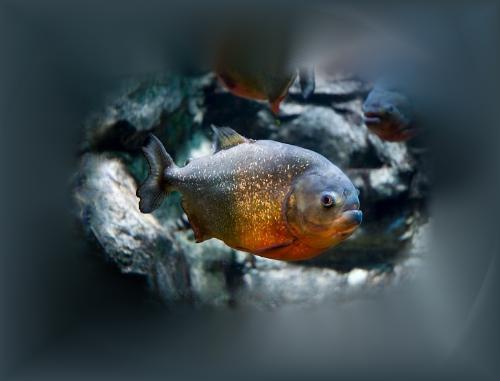
- Piranha
- Siberian Weasel
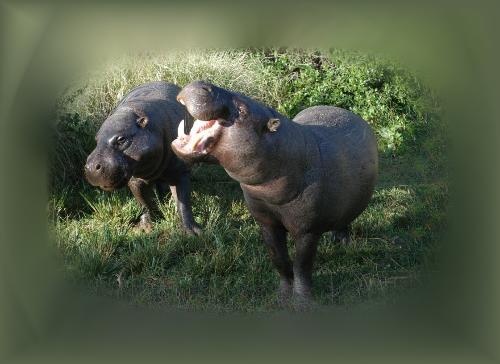
- pygmy hippopotamus
- Leopard
- beech marten
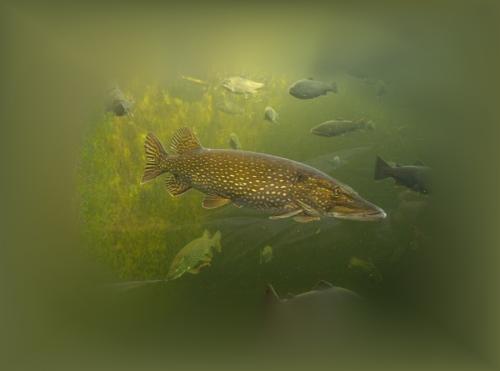
- Pike
Find your most suitable archetypes
Archetypes are facets of personality and behaviour: sometimes a hamster, sometimes a lion. Take a test for yourself, a friend or a pet.