








The “eurasian siskin” archetype
Cultural context
European and Russian traditions have long watched the eurasian siskin flicker through birch groves and winter stubble, a small bundle of olive and yellow that darts between branches like a spark between trunks. In Russian villages it once appeared at windows as the first sign of lengthening days, its twitter like the chime of sleet on tin roofs. Old stories never crown it king, yet they keep its image near the hearth, for the bird returns each spring with the same tidy precision as frost lines on glass, carrying the scent of resin and thawed earth into houses that have grown used to silence.
Scales
In the same cultures the siskin’s flight patterns suggest a quiet refusal of display: it slips along hedgerows instead of claiming the open sky, and its nest hides among needles rather than crowning a tall pine. People read this as a loyalty to familiar places and a tolerance for company that never demands centre stage. When the flock gathers at feeders, each bird waits its turn, a gentle cooperation that still leaves room for solitary forays into the next thicket. Tradition is kept not by trumpet calls but by the steady return of the same olive shadows each March, while any sudden push for rank is met with a quick, silent lift of wings.
Strong traits
Modesty and a ready warmth mark the eurasian siskin most clearly. It never blares its arrival; instead it perches on the outer twigs, letting the flock settle first. When another bird lands nearby, the siskin sidles along the branch to make space, its soft cheep carrying neither challenge nor complaint. The same quiet presence draws scattered individuals back into the group after a gust of wind has scattered them, and the flock reforms without a single raised voice, each member content to glow rather than glitter.
Noticeable traits
Chance often seems to favour the siskin: a sudden cone crop or an opened feeder appears exactly when snow deepens. Yet the bird takes the gift without fanfare, simply shifting its route by a few wing-beats. It keeps its aims plain—seed, shelter, the next safe perch—leaving aside the tangle of rivalries that occupy brighter finches. This plainness lets it move through storms that tangle others, travelling light because it carries little beyond today’s necessity.
How to be around
Approach the eurasian siskin by keeping movement small and predictable. Sudden gestures or raised voices send it deeper into cover; steady, quiet presence lets it stay near the edge of sight, where trust can form without pressure.
With a woman
When speaking with a woman whose manner recalls the siskin, offer observations rather than opinions first. She will listen, then add her own measured thought, content to let the conversation remain unadorned. Give her a simple task she can finish well; she values completing it more than being noticed for it, and thanks offered later will sit more comfortably than praise given in front of others.
With a man
A man of the same quiet temper responds best to shared work done side by side. Let him set the pace; he will keep it steady and will notice if you ease a load without being asked. He accepts help most readily when it arrives as an ordinary part of the task, not as rescue, and he returns the favour later without announcement.
With a teenage boy
A teenage boy who carries this reserve will test a plan by trying it rather than discussing it first. Stand nearby with an extra set of gloves or a spare map; he will accept the tool more quickly than advice. If the plan falters he adjusts quickly, drawing new luck from the change rather than lamenting the old route.
With a teenage girl
A teenage girl of this cast keeps her projects small and complete. Do not add extra flourishes to what she has already arranged; she will see them as clutter. When she finishes something modest—a sketch, a patch of garden—acknowledge the result itself, not the imagined future it might lead to.
With a child
A child who moves through the world with the siskin’s plain honesty notices when a promise is kept or broken. Offer one clear rule and keep it; the child will follow it without needing extra reasons. Small fairness, such as equal turns at a shared toy, matters more than elaborate rewards.
With an animal
An animal that shares the siskin’s caution prefers a perch or shelf it can reach without crossing open floor. Place food and water where it can see the room yet stay half-hidden; it will visit more often if nothing demands an audience.
After a quarrel
Friction arises when the siskin’s quiet rhythm is broken by demands that arrive faster than it can absorb them. A woman withdraws when extra duties pile onto an already finished day; a man bristles if asked to explain a choice while still carrying out the action. A teenage boy grows short when his quick adjustment to change is second-guessed; a teenage girl turns silent if her plain arrangement is dressed up with complications. A child goes still when a simple rule is changed without warning, and an animal startles into flight if its corner is invaded without time to slip away first.
How to befriend
Friendship grows when each small reliability is noticed and left undisturbed. A woman draws closer if her understated help is simply used, not advertised. A man stays near when joint work continues at the same unhurried speed. A teenage boy trusts the person who accepts his sudden change of plan without complaint. A teenage girl values company that does not add new layers to her already settled routine. A child warms to the adult who keeps one promise exactly as spoken. An animal settles when its chosen perch remains untouched and the room stays quiet.
Similar archetypes
Close facets: images with a similar set of qualities.
- eurasian siskin
- Black-headed Siskin
- olivaceous siskin
- eurasian siskin
- eurasian siskin
- eurasian siskin
- eurasian siskin
- eurasian siskin
Complete opposite
The opposite facet: images whose qualities point the other way.
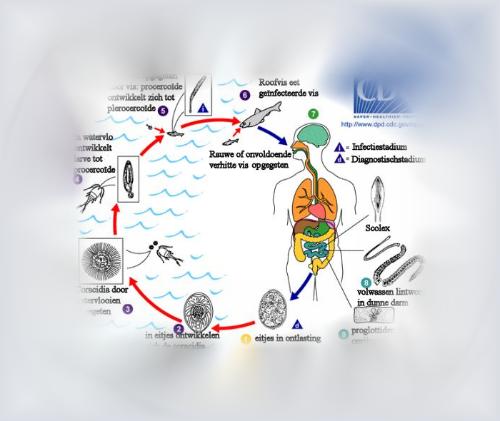
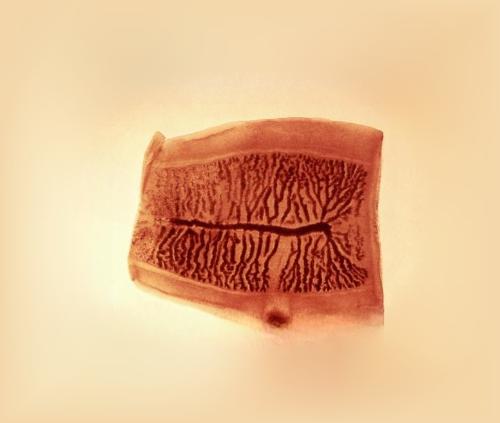
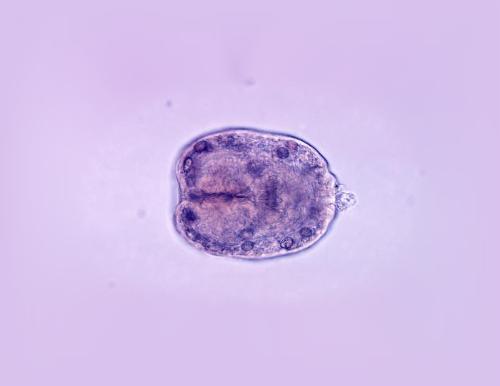
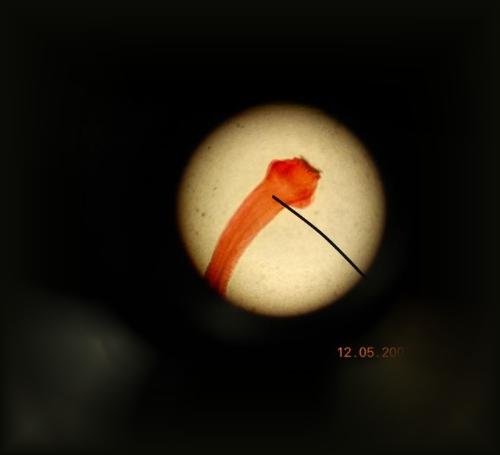
- Fox Tapeworm
- Broad Fish Tapeworm
- Beef tapeworm
- Hydatid tapeworm
- Rabbit tapeworm
- Cat tapeworm
- Multiceps tapeworm
- Sparganum proliferum
- Broad Fish Tapeworm
- Echinococcus shiquicus
- Taenia crassiceps
- Echinococcus vogeli
- Dwarf tapeworm
- Ligula intestinalis
- Callitetrarhynchus gracilis
- Chaetophallus robustus
- Thysanocephalum thysanocephalum
- Rugose gyrocotyle
- Nybelinia basimegacantha
- Japanese broad tapeworm
- Lesser Cuckoo
- Black widow
- Lynx
- rainbow boa
- Hyena mother
- Wasp
- Stream mosquito
- southern house mosquito
- western encephalitis mosquito
- Common banded mosquito
Traits and their opposites
Each trait of this archetype — and what is opposite to it.
- Simplicity ↔ Sophistication
Find your most suitable archetypes
Archetypes are facets of personality and behaviour: sometimes a hamster, sometimes a lion. Take a test for yourself, a friend or a pet.