








The “eurasian siskin” archetype
Cultural context
Across the hedgerows and birch groves of Europe and the Russian plain, yellow-faced siskins dart like living sparks above the stubble. Villagers watch the little birds’ swift work among the seed-heads and weave their own hopes into that image: a small body that never wastes a movement, a beak that tests every husk before the wind takes it away. In their fireside tales, the siskin stands for the kind of neighbour who keeps his own counsel yet always lends a hand when the grain must be gathered. The bird’s bright face flashes against the grey bark, a brief banner of cheer that promises another day’s work will not be lost.
Scales
Tradition reads the yellow-faced siskin as an unpretentious spirit that prefers the lowest branch and the last seed rather than any show of rank. It bends willingly to the flock’s rhythm, yet keeps a private perch where it can watch alone. The bird honours the old cycle of migration and return, and when a new feeder appears it tries it only after the older birds have led the way. Its playfulness is brief, a quick tilt of the head, then it settles back to serious gleaning. The siskin’s honesty lies in the open way it shares a perch with any bird that needs shelter, while its reserve shows in how quickly it slips back into the leaves when too many eyes turn its way.
Strong traits
Humility colours every wing-beat; the yellow-faced siskin never claims the highest perch even when it arrives first at the feeder. It simply waits, feathers drawn close, until a hungrier neighbour has fed. Friendliness shines in the soft, repeated calls that keep the flock moving as one, each bird answering the next without fuss, so the whole party drifts through the alders like a single breath of wind.
Noticeable traits
Luckiness rides the yellow-faced siskin on sudden gusts that carry fresh seed to the exact branch where it waits. It lands, takes what the wind offers, and moves on without counting the cost. Simplicity keeps its choices plain: one cone, one seed, one quick sip from the dew that beads on the leaf edge, nothing more.
How to be around
To move easily beside a yellow-faced siskin, keep your own motions small and your voice low. Let the bird see your hands are empty before you offer anything, and wait for the quick tilt of its head that says the moment is safe.
With a woman
A woman carries her duties the way a siskin carries the weight of its own feathers, light yet never dropped. Speak first of what she has already managed, then step aside so she can finish the rest in her own order. She will notice the unpretentious quiet of your presence and answer it with a glance that says the task is still hers, yet shared.
With a man
A man builds a circle of small kindnesses the way a siskin strings its calls across the clearing, each note a thread that draws others nearer without force. Answer his easy warmth with a brief word of thanks; he will fold your reply into the next shared task, and the work will move forward without argument or delay.
With a teenage boy
A teenage boy watches chance the way a siskin watches the wind, ready to ride the next gust of good fortune without planning the landing. Mention an old family habit or a custom the elders still keep; he will test it once, then keep it if it fits, trusting the pattern more than any sudden idea of his own.
With a teenage girl
A teenage girl keeps her world stripped to what can be held in one hand, the way a siskin keeps only the seed that fits its beak. Offer her one clear choice at a time, nothing more; she will weigh it in silence, then decide without the weight of extra reasons she never asked to carry.
With a child
A child sorts pebbles or buttons with the same steady fairness a siskin shows when it leaves the largest seed for the next beak. Sit nearby and match each of the child’s careful moves with one of your own, never taking the lead, until the pattern feels complete to both of you.
With an animal
An animal slips behind the curtain of leaves the moment voices rise, its reserve a small shield against too much company. Leave a single perch near the window and a shallow dish of seed; it will return when the air is quiet again, its withdrawal ended by its own choice, not by any hand reaching in.
After a quarrel
A quarrel begins when someone mistakes the yellow-faced siskin’s quiet self-reliance for weakness and tries to shoulder its load. A woman draws back her offered help the instant another reaches to carry it for her. A man answers the same intrusion with a single, polite refusal that leaves no room for further offers. A teenage boy meets pressure by vanishing into the next patch of trees, his silence the only answer he gives. A teenage girl folds her arms and waits, her stillness refusing every suggestion that she needs rescue. A child stamps one foot, then another, until the adult steps away and the game can resume on its own terms. An animal simply drops from the branch and is gone before the hand that would steady it has closed.
How to befriend
Friendship grows when you let the yellow-faced siskin keep its own small distance and still remain within reach. A woman warms to the neighbour who never interrupts her work yet appears with water when the day lengthens. A man remembers the quiet companion who joins a task without asking how it should be done. A teenage boy draws closer after you stand with him through an awkward silence instead of filling it. A teenage girl trusts the friend who accepts her single-word answers and does not press for more. A child stays near the adult who lets the tower of blocks fall and rise again without comment. An animal accepts the hand that stays open and never tries to close.
Similar archetypes
Close facets: images with a similar set of qualities.
- eurasian siskin
- Black-headed Siskin
- olivaceous siskin
- eurasian siskin
- eurasian siskin
- eurasian siskin
- eurasian siskin
- eurasian siskin
Complete opposite
The opposite facet: images whose qualities point the other way.
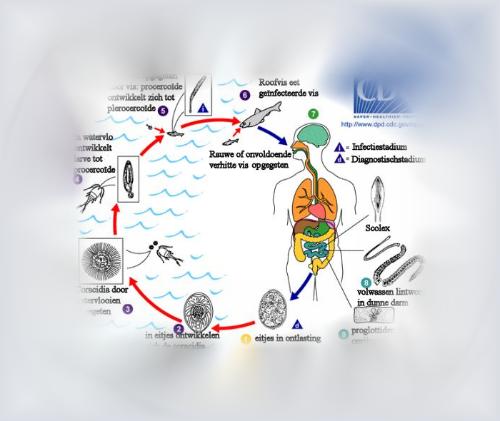
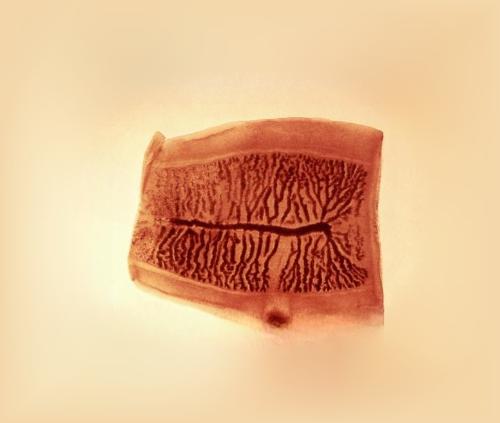
- Fox Tapeworm
- Broad Fish Tapeworm
- Beef tapeworm
- Hydatid tapeworm
- Rabbit tapeworm
- Cat tapeworm
- Multiceps tapeworm
- Sparganum proliferum
- Broad Fish Tapeworm
- Echinococcus shiquicus
- Taenia crassiceps
- Echinococcus vogeli
- Dwarf tapeworm
- Ligula intestinalis
- Callitetrarhynchus gracilis
- Chaetophallus robustus
- Thysanocephalum thysanocephalum
- Rugose gyrocotyle
- Nybelinia basimegacantha
- Japanese broad tapeworm
- Lesser Cuckoo
- Black widow
- Lynx
- rainbow boa
- Hyena mother
- Wasp
- Stream mosquito
- southern house mosquito
- western encephalitis mosquito
- Common banded mosquito
Traits and their opposites
Each trait of this archetype — and what is opposite to it.
- Simplicity ↔ Sophistication
Find your most suitable archetypes
Archetypes are facets of personality and behaviour: sometimes a hamster, sometimes a lion. Take a test for yourself, a friend or a pet.