








The “eurasian siskin” archetype
Cultural context
In northern birch groves and the sunny clearings of old Europe the Eurasian siskin has long been welcomed as the first voice of spring. Villagers once waited for its tinkling chatter the way sailors listen for a returning breeze, reading in those clear notes a promise of fair weather and modest harvest. A bird that darts in flashes of lemon and black, it moves like a living spark that never burns itself out, yet never tries to outshine the sun. Russian painters set its likeness on lacquered boxes, not to crown a hero but to mark the quiet luck that arrives without fanfare, the reward for a steady hand at the plough.
Scales
Traditions see the siskin as one who prefers the shelter of the flock yet can slip away on a single wing-beat when the crowd grows too loud. It values the round of seasons and the memory of old feeding grounds, but it yields no ground when pressed to change its rhythm. In its small frame the bird carries an unshowy courage, a readiness to share a seed when winter pinches, even though its own chest may grow thin. It meets the world with measured reserve, neither seeking the centre of the flock nor fleeing to lonely branches.
Strong traits
Humility and friendliness meet in the siskin like two notes struck on a single bell. The bird lands beside any companion on the feeder without demanding the choicest seed, content to wait its turn while the flock settles. Its gentle calls thread through the morning air, stitching separate birds into a single, living fabric of sound. Yet beneath that soft manner lies a quiet pride: it knows its place, neither above nor beneath the rest, and the warmth it offers is never bought at the cost of its own steady centre.
Noticeable traits
Luckiness and simplicity walk together in the siskin’s daily flight. A sudden gust lifts the bird to a new cone heavy with seeds, and the discovery seems to arrive by chance alone; yet the bird’s eye was already reading the wind. It wastes no time on elaborate routes or rivalries, choosing instead the straightest line between branch and feast. Such plain living keeps its wings light and its mind clear, though now and then a finer detail of branch or sky slips past unnoticed.
How to be around
Living beside the siskin means offering steady ground rather than loud applause. Watch its quick returns to the same perch; trust its own sense of timing, and never crowd the space it claims with sudden movement or many words.
With a woman
When a woman carries the siskin’s spirit she works with quiet purpose, letting her results speak before she does. Give her room to finish a task in her own rhythm, and answer her finished work with a single, sincere word of thanks. She listens best when no one tries to outshine her effort or claim a share of her light.
With a man
A man of this temper gathers friends the way the siskin gathers flock-mates at dawn, with easy warmth that asks little in return. Let him set the pace of any shared work and accept his invitation to join without pressing for deeper talk. He keeps his word once given, yet grows uneasy if the group turns into an audience.
With a teenage boy
A teenage boy moves through his days like the siskin riding an unexpected updraft: quick to seize a chance, slower to plan the next. Honour his sudden enthusiasms and let him test them without lecture; if luck falters, his own hands will learn the lesson more surely than any warning spoken in advance.
With a teenage girl
A teenage girl keeps her world uncluttered, choosing plain speech and direct action over tangled explanations. Offer her two clear choices instead of a maze of possibilities, then step back while she weighs them in silence. Her seriousness is not gloom; it is the same plain focus that lets the siskin find the ripest seed on the first pass.
With a child
A child learns by watching how a single seed becomes a shared meal, and how fairness keeps the flock together. Let the child divide treats or toys without prompting; praise the even hand rather than the speed of the choice, and the lesson of modest honesty stays longer than any spoken rule.
With an animal
An animal keeps to the outer edge of the room until the air grows still. Place its food and water where it can reach them without crossing open space, then leave the corner undisturbed. It will come forward when its own quiet decides the moment is safe.
After a quarrel
The siskin flares when its small reserves are spent in service of others and still no one notices the cost. A woman feels the slight most sharply when her steady help is treated as something owed; a man withdraws the moment his independent judgment is brushed aside for the sake of the group. A teenage boy pushes back if his own quick luck is mocked as recklessness; a teenage girl turns cold when her simple wishes are dressed in complications she never chose. A child grows restless if its honest share is snatched mid-game. An animal startles and retreats if its modest corner is invaded by sudden noise or grasping hands.
How to befriend
The siskin draws near when its own quiet strength is allowed to stand without being rearranged. A woman warms to the friend who notices her work yet never rearranges it; a man stays close to anyone who trusts his choice of path without offering shortcuts. A teenage boy opens up once his latest venture is met with genuine curiosity rather than group approval. A teenage girl lingers when her plain words are taken at face value. A child brightens if its small acts of fairness are simply mirrored back. An animal accepts a steady presence that never reaches out first.
Similar archetypes
Close facets: images with a similar set of qualities.
- eurasian siskin
- Black-headed Siskin
- olivaceous siskin
- eurasian siskin
- eurasian siskin
- eurasian siskin
- eurasian siskin
- eurasian siskin
Complete opposite
The opposite facet: images whose qualities point the other way.
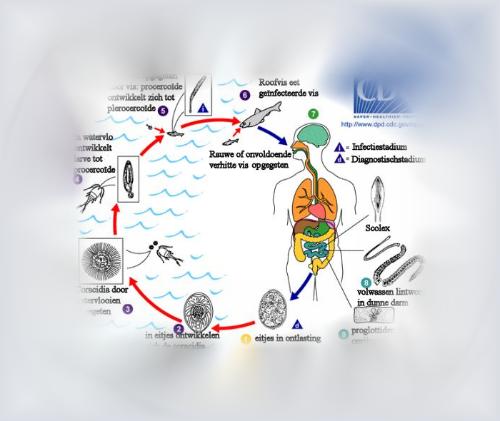
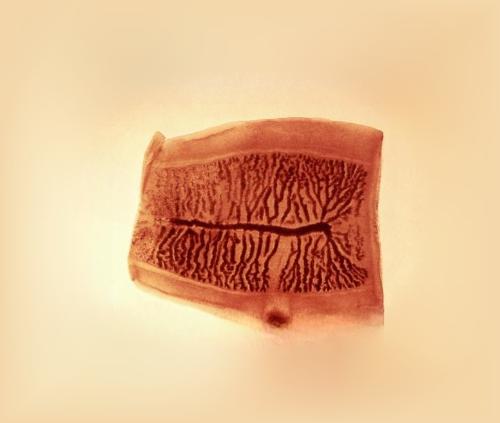
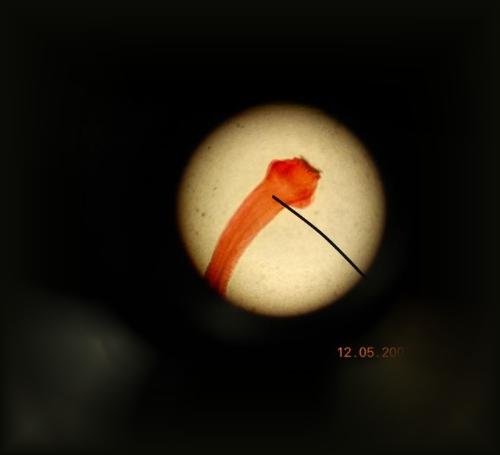
- Fox Tapeworm
- Broad Fish Tapeworm
- Beef tapeworm
- Hydatid tapeworm
- Rabbit tapeworm
- Cat tapeworm
- Multiceps tapeworm
- Sparganum proliferum
- Broad Fish Tapeworm
- Echinococcus shiquicus
- Taenia crassiceps
- Echinococcus vogeli
- Dwarf tapeworm
- Ligula intestinalis
- Callitetrarhynchus gracilis
- Chaetophallus robustus
- Thysanocephalum thysanocephalum
- Rugose gyrocotyle
- Nybelinia basimegacantha
- Japanese broad tapeworm
- Lesser Cuckoo
- Black widow
- Lynx
- rainbow boa
- Hyena mother
- Wasp
- Stream mosquito
- southern house mosquito
- western encephalitis mosquito
- Common banded mosquito
Traits and their opposites
Each trait of this archetype — and what is opposite to it.
- Simplicity ↔ Sophistication
Find your most suitable archetypes
Archetypes are facets of personality and behaviour: sometimes a hamster, sometimes a lion. Take a test for yourself, a friend or a pet.