








The “saffron siskin” archetype
Cultural context
European folklore paints the eurasian siskin as a flash of sunlit green streaking across winter branches, a small herald whose bright song cuts through the cold air like a bell rung in snow. Russian tales speak of the bird’s sudden arrivals at feeders, its quick hops and bright chirps turning the quiet yard into a living market square. People once carried a single saffron feather in a pocket for luck when the market road lay uncertain, and children learned to watch the siskin’s quick turn in flight as a sign that winter was loosening its grip.
Scales
In the old stories the bird walks the narrow ridge between reserve and openness, its small frame slipping quietly among the flock yet never lost in it. It keeps the customs of nesting and feeding that its parents taught, returning to the same birch each spring, yet it will turn away from a crowded feeder if too many wings crowd the perch. The siskin never seeks the tallest branch, yet it will carry a seed to a weaker neighbour when the snow lies deep, and its wings remain light enough to lift again without notice.
Strong traits
Humility sits in the siskin like the soft moss on an old branch, never drawing the eye yet holding the whole shape steady. The bird yields the best perch to another without fuss and still keeps its own footing firm. Friendliness runs through its quick calls that knit the flock together, each note answered in turn so the air fills with a gentle, living thread of sound that makes even the silent spruce feel inhabited.
Noticeable traits
Luckiness flickers in the siskin’s sudden turns toward a patch of thistle that no one else has noticed, a chance gust carrying it to seed before the frost seals the ground. Simplicity shows in the straight flight from branch to feeder and back again, the bird content with one seed at a time and the small world of its own wing-beat.
How to be around
Stay near enough to be seen, yet give the siskin space to choose its own perch. Watch its movements before you speak, and let the quiet rhythm of its day set the pace of any shared moment.
With a woman
A woman of this temper may stand at the edge of a gathering, listening while others speak, her words arriving only after the room has settled. She notices when a newcomer looks uncertain and quietly moves a chair closer without drawing attention to the kindness. Give her time to finish her thought before offering your own; her unhurried attention is the clearest sign that she has already set her own value beside yours.
With a man
A man like the siskin greets newcomers with an easy nod and remembers the smallest detail of their last meeting, turning a stranger into an old acquaintance within minutes. He steps aside in conversation when someone else has more to say, yet the group still turns to him when a practical question arises. Offer him a task that can be done quietly, side by side, and he will answer with steady cooperation rather than any show of command.
With a teenage boy
A teenage boy may appear at the edge of a game, waiting for the right moment to join rather than pushing forward. He carries an old coin or feather from a walk and treats it as a talisman, trusting that small signs will guide the day. Ask him to show you the route he takes through the trees; his certainty grows when the path is already familiar and the choice remains his own.
With a teenage girl
A teenage girl keeps her notebook plain and her plans short, preferring one clear goal to a list of possibilities. She will choose the simplest route to school even when friends suggest a longer detour, yet she notices the small change in light on the river each morning. Invite her to describe what she sees on an ordinary walk; her attention sharpens when the question stays close to the visible world.
With a child
A child may line up stones in a careful row before stepping over them, counting each one aloud. The child shares the largest apple without being asked, then sits content with the smaller piece. Leave a single new object on the table and wait; the child will approach it only after deciding, alone, that the moment feels fair.
With an animal
An animal settles on the highest safe branch and watches the room without moving for long minutes. It accepts a fresh dish of seed only after the giver has stepped back and the air is quiet again. Place the dish at the same hour each day; the animal learns the rhythm and arrives without being called.
After a quarrel
The siskin keeps its distance when too many voices press at once, and any demand that it abandon its own small rhythm meets sudden silence. A woman may turn away if asked to explain her choices before she has finished weighing them. A man withdraws when his offer of help is brushed aside as unnecessary. A teenage boy bristles if a plan he has already accepted is changed without warning. A teenage girl leaves the table if laughter turns toward something she has kept private. A child cries out when a favourite stick is taken mid-game. An animal flies to the far end of the cage if a hand reaches in while it is still choosing its perch.
How to befriend
The siskin draws nearer when its own pace is left undisturbed and a steady, wordless welcome remains in place. A woman stays longer in conversation when her pauses are received as thought rather than hesitation. A man returns to a shared task when the work itself is allowed to set the rhythm. A teenage boy grows easier in company after he has shown one small discovery of his own. A teenage girl opens up once she has been asked, once, what she noticed today. A child repeats a game only after the rules have stayed exactly the same for three turns. An animal perches closer when the same quiet voice offers seed at the same hour each morning.
Similar archetypes
Close facets: images with a similar set of qualities.
- eurasian siskin
- Black-headed Siskin
- olivaceous siskin
- eurasian siskin
- eurasian siskin
- eurasian siskin
- eurasian siskin
- eurasian siskin
Complete opposite
The opposite facet: images whose qualities point the other way.
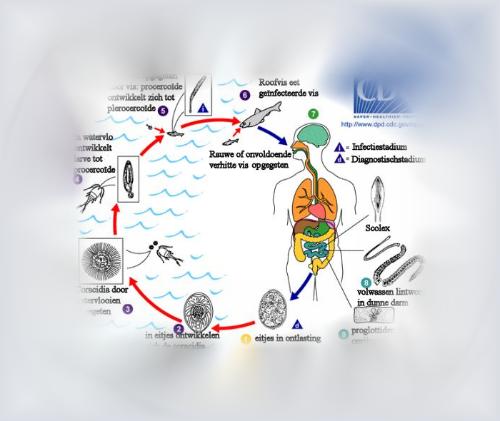
- Fox Tapeworm
- Broad Fish Tapeworm
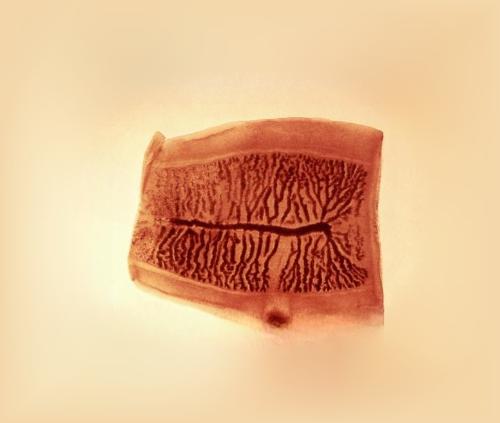
- Beef tapeworm
- Hydatid tapeworm
- Rabbit tapeworm
- Cat tapeworm
- Multiceps tapeworm
- Sparganum proliferum
- Broad Fish Tapeworm
- Echinococcus shiquicus
- Taenia crassiceps
- Echinococcus vogeli
- Dwarf tapeworm
- Ligula intestinalis
- Callitetrarhynchus gracilis
- Chaetophallus robustus
- Thysanocephalum thysanocephalum
- Rugose gyrocotyle
- Nybelinia basimegacantha
- Japanese broad tapeworm
- Lesser Cuckoo
- Black widow
- Lynx
- rainbow boa
- Hyena mother
- Wasp
- Stream mosquito
- southern house mosquito
- western encephalitis mosquito
- Common banded mosquito
Traits and their opposites
Each trait of this archetype — and what is opposite to it.
- Simplicity ↔ Sophistication
Find your most suitable archetypes
Archetypes are facets of personality and behaviour: sometimes a hamster, sometimes a lion. Take a test for yourself, a friend or a pet.