








The “andean siskin” archetype
Cultural context
Across European forests and Russian villages, the eurasian siskin has long been watched as it darts between birch and spruce. Folk tales speak of its striped wings flashing like quick laughter, of its song that stitches one small moment to the next. Villagers once hung its picture above thresholds so that the household would keep its balance, neither boasting nor shrinking, never wasting what it has gathered. Its presence felt like the hush after a bell, a reminder that daily chores and sudden delights can share the same daylight without crowding each other out.
Scales
In these traditions the eurasian siskin moves through the world like a leaf that finds the same breeze whether it drifts or holds fast. It leans toward creation and order, weaving nests that look unplanned yet never tumble, and it turns every glint of light into a small discovery without crowding the air with claims. Gentle and unassuming, it keeps faith with old paths yet will test a new twig when frost changes the branches. Its reserve does not cut it off; rather it settles among others like the quiet note that lets the whole song stay in tune.
Core traits
At the center of the eurasian siskin lies a talent for harmony that shows itself in the way the flock settles on one branch after another until every bird finds its place without argument. It glides between two quarreling sparrows and somehow the air clears, yet when a decision waits too long the branch may creak under indecision. Its gift is the hush that follows a storm, the sense that everything has found its level again.
Strong traits
Humility and friendliness colour its feathers with the soft grey that never shouts for notice. The eurasian siskin will yield the ripest seed to a hungrier neighbour and still appear content, its eye bright with the pleasure of company rather than with any need to be first. It draws others close the way a warm stone draws the first spring insects, yet it never crowds the clearing, content to let friendship unfold at the pace of shared crumbs and quiet song.
Noticeable traits
A streak of luckiness lets the eurasian siskin turn an unexpected gust into a shortcut to fresh buds, while simplicity keeps its wants down to seed, water and a safe perch. It does not map tomorrow’s flight in advance; instead it trusts that a half-hidden sunflower will appear when the flock most needs it. The same plain outlook sometimes skips the finer print of the wind, yet the day usually ends with full crops and an easy roost.
How to be around
To move well beside an eurasian siskin, match its rhythm of brief, honest exchanges and leave room for the silence between them. Offer a steady perch rather than a stage, and notice the small adjustments it makes to keep everyone at ease.
With a woman
A woman of this temper senses the first tremor of discord the way a siskin feels a branch dip. She will step in with a measured word that restores the circle, yet she may hold back the sharper question that needs asking. Let her know the moment she has set the room in order, then quietly name the unfinished matter so she can weigh it without losing the peace she has already made.
With a man
A man keeps his gifts half-hidden, the way the siskin’s brightest stripe stays under its wing until the light shifts. He listens first, offers little about himself, and still manages to steady the group with a single understated gesture. Sit with him in the quiet after work; do not press him to display what he values more by doing than by announcing.
With a teenage boy
A teenage boy tests new songs on the edge of the flock, ready to fly off if the notes fall flat. He warms quickly to anyone who answers his curiosity without demanding he repeat the tune for approval. Share one fresh discovery—an odd seed, a half-heard call—and step back; his trust will follow if the exchange stays light and mutual.
With a teenage girl
A teenage girl reads the weather of the group the way the siskin reads the slant of afternoon light. She may agree quickly to keep the air pleasant, yet a single clumsy push can send her to a farther branch. Offer her a choice of two routes rather than one fixed plan, and she will settle again, feathers still smooth.
With a child
A child of this kind gathers simple treasures—an acorn cup, a feather, a rhyme learned by heart—and keeps them close without fanfare. Leave a small basket where these finds can rest; when the child returns to them later the world feels steady again, and curiosity stays awake without any need for grand explanations.
With an animal
An animal seeks the same sheltered crook of branch each dusk, the outline of its day repeating like the grain of old wood. Place the cage or perch where morning light arrives at the usual angle and the evening draft stays gentle; once the pattern holds, the bird will rest without the restless hopping that signals unease.
After a quarrel
The eurasian siskin avoids open clashes the way it skirts a sudden shadow, yet silence can stretch until fairness is lost. With a woman the quarrel begins when her wish to keep peace keeps a needed truth unspoken; a man withdraws when his quiet fairness is treated as weakness. A teenage boy answers pressure with sullen flight, a teenage girl with a barbed remark that still sounds polite. A child weeps when a familiar rhythm is broken without warning, and an animal startles into frantic flight if a stranger’s hand reaches straight into its safe corner.
How to befriend
Friendship with the eurasian siskin grows the way lichen spreads on bark—slow, certain, and content with small shared light. A woman draws nearer when you keep a promise without reminding her it was made; a man stays close if you let him finish a task before offering help. A teenage boy remembers the friend who laughed at his newest song without asking for an encore; a teenage girl trusts the one who waits for her signal before stepping closer. A child bonds over the simple act of watching crumbs fall together, and an animal accepts your presence once you have sat still long enough for its heartbeat to slow to the pace of the branch.
Similar archetypes
Close facets: images with a similar set of qualities.
- tibetan serin
- pine siskin
- black siskin
- eurasian siskin
- eurasian siskin
- eurasian siskin
- red siskin
- saffron siskin
Complete opposite
The opposite facet: images whose qualities point the other way.
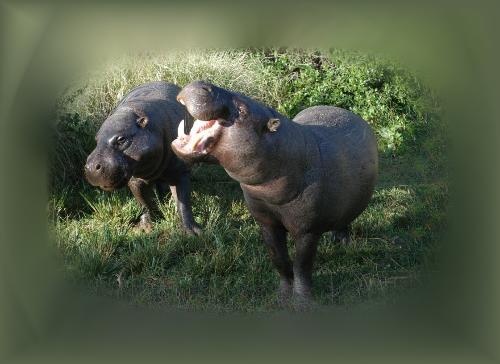
- pygmy hippopotamus
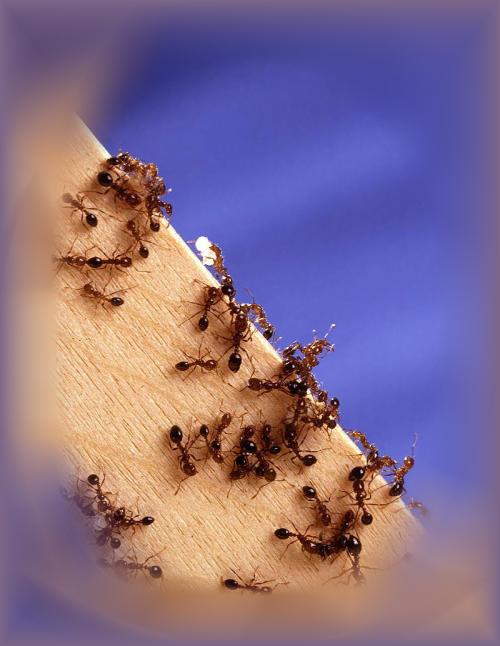
- Fire ant
- Bed bug
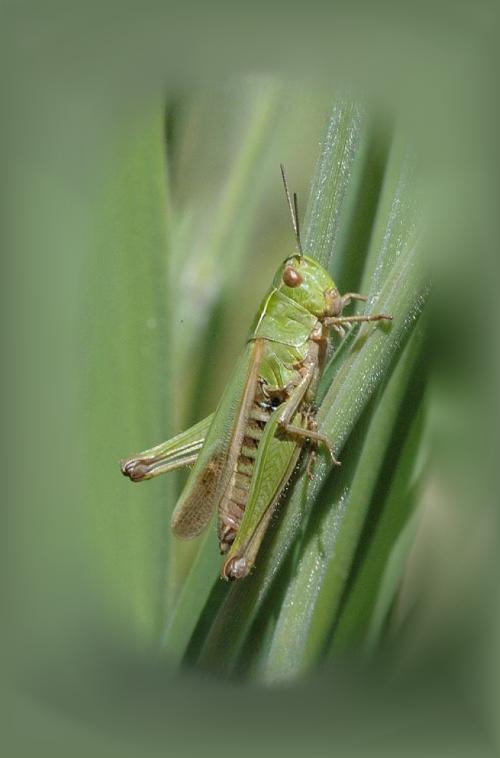
- common green grasshopper
- Wild boar
- Fox Tapeworm
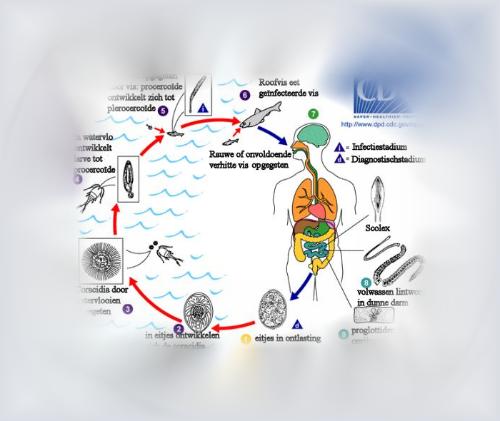
- Broad Fish Tapeworm
- Beef tapeworm
- Hydatid tapeworm
- Rabbit tapeworm
- Cat tapeworm
- Multiceps tapeworm
- Sparganum proliferum
- Broad Fish Tapeworm
- Echinococcus shiquicus
- Taenia crassiceps
- Echinococcus vogeli
- Dwarf tapeworm
- Ligula intestinalis
- Callitetrarhynchus gracilis
- Chaetophallus robustus
- Thysanocephalum thysanocephalum
- Rugose gyrocotyle
- Nybelinia basimegacantha
- Japanese broad tapeworm
- common european toad
- Stream mosquito
- southern house mosquito
- western encephalitis mosquito
- Common banded mosquito
Traits and their opposites
Each trait of this archetype — and what is opposite to it.
- Simplicity ↔ Sophistication
Find your most suitable archetypes
Archetypes are facets of personality and behaviour: sometimes a hamster, sometimes a lion. Take a test for yourself, a friend or a pet.