









The “African buffalo” archetype
Cultural context
Across Africa the buffalo is honoured as a living emblem of strength and protection. Its image is tied to ancestors, courage and a stubborn endurance that never bends. In some communities people say that buffalo lead not only their herds but human beings too, helping them through hard times. Myths cast the animal as a guardian of the forest, whose furious breath could bring mountains down and whose shelter could save an entire tribe. Seen this way, the herd becomes a lesson in standing together: individuals who close ranks turn into something nobody wants to test. Yet the stories carry a warning as well. The pride and independence that make the buffalo magnificent can leave it alone, and a temper that guards so fiercely can just as easily wreck what it was guarding.
Scales
Around the buffalo hangs a sense of something set apart, almost forbidden, and it reaches instinctively for standing: a place from which it will be heard and obeyed. The body is all power and stamina, athletic in the plainest sense, while the mind likes to take a situation apart and work out how to meet it. A hunger for meaning and a pull toward the unknown keep the animal from ever settling into a rut, and in company it can be bold, even playful, with a boisterous energy that lifts the whole group. Gentleness is another matter. Warmth and agreeableness come second to stubbornness, and a certain sly sense of entitlement, a feeling that the best patch of grass is simply its due, sits comfortably beside a taste for order and duty. Old customs are not sacred to it; it is quite willing to break from them if they stand in its way. What emerges is a creature that feels deeply but shows it bluntly, more battering ram than velvet glove.
Core traits
Courage, dominance and aggression form the core of the buffalo. It walks toward danger rather than away from it, takes charge without waiting to be asked, and arranges everyone around it into some kind of order. Its borders are defended with horns, not words. In a crisis that steadiness is priceless, but the same traits cut both ways: fearlessness slides into stubborn recklessness, authority crushes other voices, and the energy behind it can boil over into open fighting unless it is held in check.
Strong traits
Group loyalty, pride, protectiveness, anger, menace and independence sound a little quieter, though never absent. The herd is a fortress, and the buffalo will shield its own before it has stopped to think; offered help, it often refuses out of self-respect. Anger gives it a tremendous push for change, yet it burns bridges along the way. A dark, brooding aura makes other creatures wary and keeps them at a distance. Independence, finally, turns it into something of a loner, steady under stress, deaf to advice, and sometimes lonely when the fighting is over. Its self-respect will not let it lean on anyone, and that is exactly how a creature so fiercely devoted to its herd can still stand apart from it.
How to be around
Dealing with a buffalo means pointing its force at something useful: let it guard, lead, haul the heavy load. Speak plainly and briefly, without hints or traps, because it reads subtlety as scheming. If its fury has already risen, do not plant yourself in the way. Step aside, wait for the heat to drop, and pick the conversation up afterwards. Each role below calls for its own approach.
With a woman
With a woman-buffalo, take her side the moment she steps in front of someone vulnerable. Stand beside her and say, “Go ahead, I have your back.” Orders bounce off her, but a plain request for protection reaches her at once. If a decision of hers seems harsh, back it with action first and talk it over once she has cooled down; an argument in the heat of the moment only makes her dig in.
With a man
With a man-buffalo, speak the language of rank. Name him senior on the job, hand him the guarding of something valuable, ask his opinion in front of others. Status is the air he breathes. Arguing over who is in charge is pointless, since he will only plant his feet. Strike a bargain instead: you cover him in the fight, he works through a tricky plan with you, and he will count you an equal.
With a teenage boy
With a teenage boy-buffalo, invite him somewhere he can spend his strength: wrestling, a long run, hard work in the yard. Afterwards he is ready to talk. Praise his staying power rather than his wins, and never catch him out in front of friends, because that humiliation stays with him for years. When he blows up, wait until evening, then ask quietly what actually happened.
With a teenage girl
A teenage girl-buffalo clings to her circle of friends as if it were a fortress wall. Do not call them bad company; ask whom she stood up for today and against what. Hand her a real grown-up task in the household. When she pushes against the family rules, hear her out to the end, because for her rebellion is a way of announcing that she is no longer small.
With a child
A child-buffalo is small yet already butting: shoving, planting feet, stepping in front of a younger sister. Turn it into a game of herds in which he leads and guards the “calves”. Praise him aloud whenever he sticks up for someone weaker, and never laugh at his seriousness. Teach him to say a loud “no” in place of a blow.
With an animal
An animal-buffalo is a stubborn mass of muscle with firm ideas about territory. Fix its boundaries early and leave them alone: the same bowl, the same path, the same hour for feeding. Approach from the front and without haste so it can see your hands, because a sudden step from behind reads as an attack. Cramped quarters wear its trust away, so offer it as much open ground as you can.
After a quarrel
To quarrel with a buffalo or get under its skin, you only have to strike at its pride: correct it in front of strangers, bark an order, doubt its loyalty to its own. Touch the ones it protects and you will face a fight with no rules at all. Women of this type are enraged by a commanding tone, and men by losing their post or title. Teenage boys cannot bear mockery before an audience, whereas girls of that age never forgive a betrayal by their closest friend. A small child flares when a toy is snatched away, and the animal itself when a stranger wanders onto its path. Every one of them keeps the memory of the insult long after the shouting ends. Pride is the fuse, and it is always shorter than it looks.
How to befriend
To befriend a buffalo or win it over, prove that you are not the sort to run at the first sign of danger. Turn up in the hard hour without lectures, and bring deeds instead of speeches. Its affection arrives slowly but holds. Someone who stood through its anger and did not retreat is admitted to the herd and defended to the last drop of blood. Share a heavy task with the women, respect the decisions of the men, give the young ones a role that makes them feel needed, and with the animals simply keep your word, day after day, until the herd has room for you. Loyalty, shown in small ways and for a long time, is the only currency it truly counts.
Similar archetypes
Close facets: images with a similar set of qualities.
- Poison dart frog
- Wolf
- Brown bear
- timber rattlesnake
- sidewinder
- prairie rattlesnake
- middle american rattlesnake
- aruba island rattlesnake
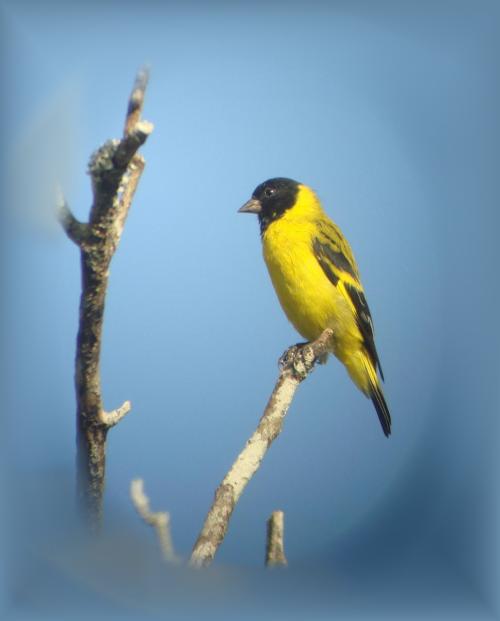
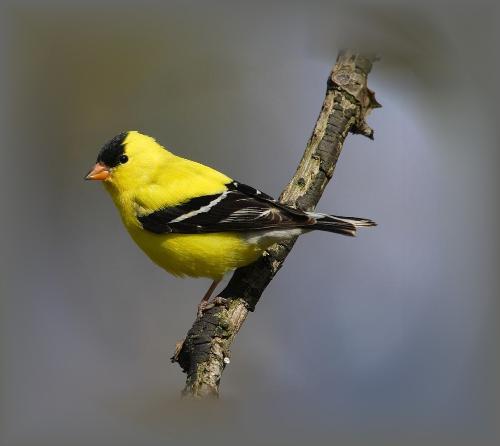
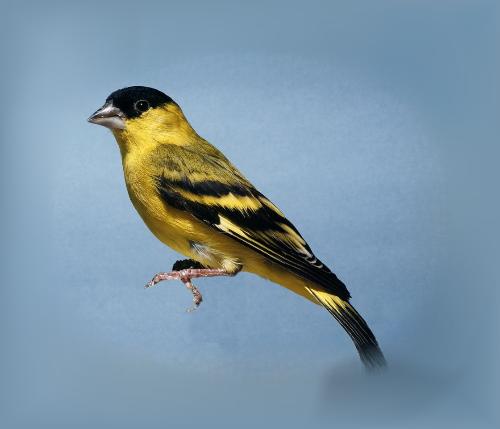
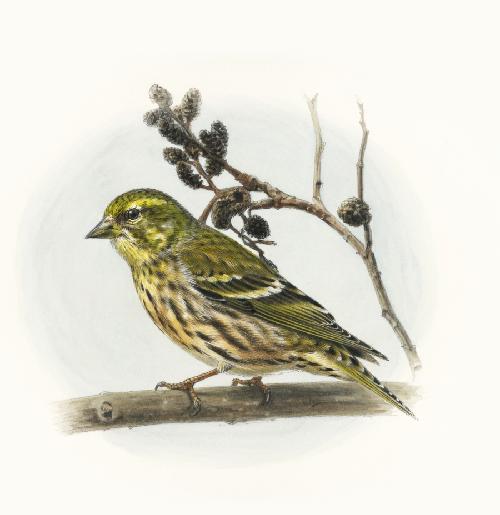
Complete opposite
The opposite facet: images whose qualities point the other way.
- wild boar
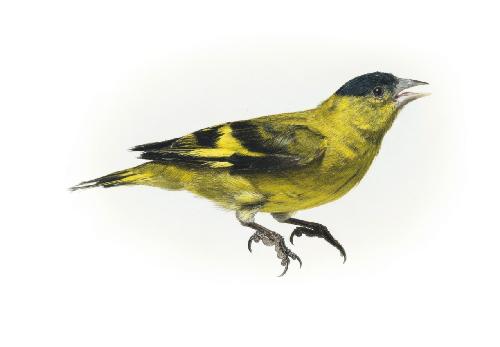
- eurasian siskin
- Black-headed Siskin
- olivaceous siskin
- eurasian siskin
- eurasian siskin
- eurasian siskin
- eurasian siskin
- eurasian siskin
- eurasian siskin
- eurasian siskin
- hooded siskin
- eurasian siskin
- tibetan serin
- andean siskin
- yellow-bellied siskin
- saffron siskin
- lawrence's goldfinch
Find your most suitable archetypes
Archetypes are facets of personality and behaviour: sometimes a hamster, sometimes a lion. Take a test for yourself, a friend or a pet.