
61
pro
Заяц-A-Европейская
European hare
European hare
0
The European Hare is always on alert, keenly sensing the slightest danger. His quick reactions and courage allow him to slip out of the most difficult situations. A person of this type lives in constant motion, relying on instincts and vigilance that save him again and again.
/media/photo/ai.crop.mini/eac/951e-eac4a345.jpg
european-hare
european-hare
evropejskij-zayats
avropa-dovsani
alarnb-alawrwby
eurapejski-zayats
evropakan-cagar
yoroppanousagi
evrop-uli-k-urdgheli
europalyk-k-oyan
yuleob-tokki
evropalyk-koyon
evropski-zets
evropa-kuyany
yevropa-quyoni
ou-zhou-ye-tu
image/jpeg
/media/photo/ai.crop/eac/951e-eac4a345.jpg
986
1212
#fbfbfa
Iwona Kałuzińska
Creative Commons Attribution-Share Alike 2.0 Generic
carousel
  • image/jpeg
    /media/photo/ai.crop/eac/951e-eac4a345.jpg
    /media/photo/ai.orig/eac/951e-eac4a345.jpg
    986
    1212
    #fbfbfa
    © Zveriki.com, AI-generated image based on the original work of Iwona Kałuzińska
    Creative Commons Attribution-Share Alike 2.0 Generic
  • image/jpeg
    /media/photo/ai.crop/3b6/bf5d-3b6aa1e3.jpg
    /media/photo/ai.orig/3b6/bf5d-3b6aa1e3.jpg
    1126
    933
    #fbfbfb
    © Zveriki.com, AI-generated image based on the original work of Iwona Kałuzińska
    Creative Commons Attribution-Share Alike 4.0
  • image/jpeg
    /media/photo/pad/eac/951e-eac4a345.jpg
    /media/photo/orig/eac/951e-eac4a345.jpg
    776
    904
    #819d46
    Zveriki.com, derived work based on image based on the original work of Iwona Kałuzińska
    Creative Commons Attribution-Share Alike 2.0 Generic
  • image/jpeg
    /media/photo/pad/3b6/bf5d-3b6aa1e3.jpg
    /media/photo/orig/3b6/bf5d-3b6aa1e3.jpg
    776
    616
    #415426
    Zveriki.com, derived work based on image based on the original work of Iwona Kałuzińska
    Creative Commons Attribution-Share Alike 4.0
26838
false
european-hare
European hare
/animal/26838/european-hare.html
  • 208
    somali ostrich
    Страус-F-Европейская
    somali-ostrich
    somali ostrich
    f271-e12df291
    /media/photo/ai.crop/e12/f271-e12df291.jpg
    925
    804
    #fefefe
  • 65
    Turkey
    Индюк-A
    turkey
    Turkey
    48fb-1d60d457
    /media/photo/ai.crop/1d6/48fb-1d60d457.jpg
    1441
    1025
    #f8f7f2
  • 210
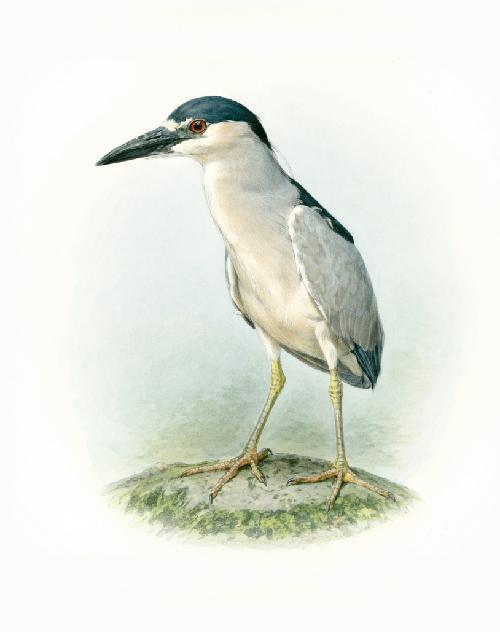
    black-crowned night heron
    Страус-M-Европейская
    black-crowned-night-heron
    black-crowned night heron
    3f8a-c2cc4bdd
    /media/photo/ai.crop/c2c/3f8a-c2cc4bdd.jpg
    814
    1029
    #fbfbf8
  • 70
    Black widow spider
    Каракурт-M
    black-widow-spider
    Black widow spider
    9964-7a03f71b
    /media/photo/pad/7a0/9964-7a03f71b.jpg
    704
    856
    #958468

Cultural context

Across Europe the hare has long been a figure of quicksilver wit. Folk tales cast it as the animal that slips out of every trap, finds the gap in the hedge where the hounds see only thorns, and vanishes into the grass between one heartbeat and the next. Carved toys and painted folk scenes show it crouched and watchful, a cunning little creature that knows how to hide in plain sight. People admired the brown hare for these talents even as they distrusted them, since anything that cannot be caught is both envied and suspected. Behind the legends stands a real animal of open fields and hedgerows, one that survives by listening harder, starting sooner and running faster than whatever hunts it, and that is the picture the old stories keep returning to.

Scales

Stamina comes first: a body built to bolt, double back and bolt again, day after day, in all weathers. It is sociable too, bold among its own kind and quick to size up newcomers, and its mind is sharp, happiest when it can study a field the way a chess player studies a board. Yet this restless creature loves the familiar. It returns to the same forms, the same worn paths, the same hour of dusk, and keeps its routines with quiet discipline. Its devotion runs deep, and a doe will put herself between danger and her young at any cost. Strong legs and lean muscle make it an athlete by nature, while a streak of independence means it answers to no leader and bends poorly under a crowd's pressure. It is curious about whatever is new, fair in its dealings and modest in its claims. That unlikely blend of caution and appetite, of duty and defiance, is exactly why the species is so hard to read, and why it has outlasted so many that were bigger, louder and far better armed. Even its fairness shows in small things, such as sharing a good patch of clover without a fight, and its eagerness for the unfamiliar sends it out to test every new gap in the fence, every unfamiliar scent on the wind, every unexplored corner of the valley beyond the last hill.

Strong traits

Vigilance and speed make up the core of the hare. Its ears sweep the meadow without rest, and a threat noticed early has saved it more often than any fight could. The price is a mind that struggles to switch off, with worry creeping in even on quiet evenings. Speed shows in choices as much as in legs: it decides mid-leap and is gone before the fox has finished turning. Haste has its own bill, however, and hurried decisions sometimes land the hare in the very place it meant to avoid. Between those two traits lies the hare's whole bargain with the world: stay alert, stay light, and trust your legs before your doubts.

Noticeable traits

Courage is the hare's quieter trait, and it appears when someone it loves is in danger or its ground is being taken. Then it stands firm, even boxes, and does not back away. The flaw lies in what courage forgets: it can wave away risks and charge ahead with a stubbornness that never stops to count the cost.

How to be around

Living alongside a hare means accepting a creature that checks the exits before it sits down. It reads moods quickly, bolts at harsh tones, and repays calm company with surprising warmth. Treat its wariness as a language rather than a flaw, and you will learn to hear what it is saying long before it moves a muscle. Quiet voices and open doors suit it best; shouting and cornering do not.

With a woman

A woman-hare trusts the person who takes her unease seriously. When she says a place feels wrong, offer to leave and ask your questions on the way home. Let her choose the route, the café, the moment to speak; her instincts have usually been right, and the plans made without them tend to wobble. If she goes quiet in a crowd, a hand on her sleeve and a nod toward the door will say everything. Bring her tea and wait.

With a man

A man-hare wants to be useful, so give him a post to guard: the door at a party, the map on a long drive, the safety of someone smaller. Praise the decision that saved you time. When his temper flares, answer with a joke that lets him step back without losing face, and save the serious talk for later, over a walk. Let him hear that his caution has kept you out of trouble before.

With a teenage boy

A teenage boy-hare burns off nerves by running, so suggest a trail, a bicycle ride or a pitch where he can spend himself. Out there he is far more willing to talk. Tell him about your own foolish dares and how they ended; a story about a broken wrist will teach him more than a warning ever could. Keep a spare helmet by the door.

With a teenage girl

A teenage girl-hare bristles when she senses the group steering her. Ask what she thinks before you offer your view, and then actually listen. She has a sharp sense of what is fair, so disagree with her in plain words, admit your own mistakes, and never tease her about the things that frighten her.

With a child

A child-hare spots what grown-ups walk past: a new smell in the hallway, a shift in someone's voice, a stranger's boots by the door. Name those discoveries aloud with real pride. Build small rituals around bedtime and the walk to school, because a fixed order of things lets the little one rest his ears at last.

With an animal

An animal-hare does best with a patient, low presence. Offer a covered corner, a heap of hay and a plate of greens at fixed hours, then sit nearby and look elsewhere. Sudden sounds will send it leaping across the room, and that is simply its nature, nothing to scold. Over weeks it will creep closer. Keep the cage door open when you clean.

After a quarrel

To quarrel with a brown hare or get under its skin, keep changing the rules, slam doors, corner it and insist on an answer this minute. Her worry brushed aside is what stings a woman-hare; mockery of his daring is what stings a man-hare. Among the young, boys hate being ordered about, girls hate injustice, and a small child crumbles when a big voice looms over him. As for the animal itself, it bolts from a hand reaching down from above and may not come back for hours. Whoever breaks a promise to a hare will not be forgiven soon either, because a hare rarely forgets where the trap was set. Raised voices alone are enough to start it, and the door will close fast. Teasing it about its nerves, or calling it a coward in front of others, finishes whatever warmth was left.

How to befriend

To befriend a hare, or win it over entirely, be steady and honest, because it smells falseness at a distance. Women of this kind soften at a quiet voice and a promise kept. Men warm to a shared job with a bit of real risk in it. Teen boys open up during a long race, teen girls during a frank talk between equals, and the smallest ones over a game of hide-and-seek. The animal will finally come to a still hand with a carrot on the palm, and it will remember who held it. Give it a safe spot to retreat to, and it will keep returning.

The “European hare” archetype

Cultural context

Across Europe the hare has long been a figure of quicksilver wit. Folk tales cast it as the animal that slips out of every trap, finds the gap in the hedge where the hounds see only thorns, and vanishes into the grass between one heartbeat and the next. Carved toys and painted folk scenes show it crouched and watchful, a cunning little creature that knows how to hide in plain sight. People admired the brown hare for these talents even as they distrusted them, since anything that cannot be caught is both envied and suspected. Behind the legends stands a real animal of open fields and hedgerows, one that survives by listening harder, starting sooner and running faster than whatever hunts it, and that is the picture the old stories keep returning to.

Scales

Stamina comes first: a body built to bolt, double back and bolt again, day after day, in all weathers. It is sociable too, bold among its own kind and quick to size up newcomers, and its mind is sharp, happiest when it can study a field the way a chess player studies a board. Yet this restless creature loves the familiar. It returns to the same forms, the same worn paths, the same hour of dusk, and keeps its routines with quiet discipline. Its devotion runs deep, and a doe will put herself between danger and her young at any cost. Strong legs and lean muscle make it an athlete by nature, while a streak of independence means it answers to no leader and bends poorly under a crowd's pressure. It is curious about whatever is new, fair in its dealings and modest in its claims. That unlikely blend of caution and appetite, of duty and defiance, is exactly why the species is so hard to read, and why it has outlasted so many that were bigger, louder and far better armed. Even its fairness shows in small things, such as sharing a good patch of clover without a fight, and its eagerness for the unfamiliar sends it out to test every new gap in the fence, every unfamiliar scent on the wind, every unexplored corner of the valley beyond the last hill.

Strong traits

Vigilance and speed make up the core of the hare. Its ears sweep the meadow without rest, and a threat noticed early has saved it more often than any fight could. The price is a mind that struggles to switch off, with worry creeping in even on quiet evenings. Speed shows in choices as much as in legs: it decides mid-leap and is gone before the fox has finished turning. Haste has its own bill, however, and hurried decisions sometimes land the hare in the very place it meant to avoid. Between those two traits lies the hare's whole bargain with the world: stay alert, stay light, and trust your legs before your doubts.

Noticeable traits

Courage is the hare's quieter trait, and it appears when someone it loves is in danger or its ground is being taken. Then it stands firm, even boxes, and does not back away. The flaw lies in what courage forgets: it can wave away risks and charge ahead with a stubbornness that never stops to count the cost.

How to be around

Living alongside a hare means accepting a creature that checks the exits before it sits down. It reads moods quickly, bolts at harsh tones, and repays calm company with surprising warmth. Treat its wariness as a language rather than a flaw, and you will learn to hear what it is saying long before it moves a muscle. Quiet voices and open doors suit it best; shouting and cornering do not.

With a woman

A woman-hare trusts the person who takes her unease seriously. When she says a place feels wrong, offer to leave and ask your questions on the way home. Let her choose the route, the café, the moment to speak; her instincts have usually been right, and the plans made without them tend to wobble. If she goes quiet in a crowd, a hand on her sleeve and a nod toward the door will say everything. Bring her tea and wait.

With a man

A man-hare wants to be useful, so give him a post to guard: the door at a party, the map on a long drive, the safety of someone smaller. Praise the decision that saved you time. When his temper flares, answer with a joke that lets him step back without losing face, and save the serious talk for later, over a walk. Let him hear that his caution has kept you out of trouble before.

With a teenage boy

A teenage boy-hare burns off nerves by running, so suggest a trail, a bicycle ride or a pitch where he can spend himself. Out there he is far more willing to talk. Tell him about your own foolish dares and how they ended; a story about a broken wrist will teach him more than a warning ever could. Keep a spare helmet by the door.

With a teenage girl

A teenage girl-hare bristles when she senses the group steering her. Ask what she thinks before you offer your view, and then actually listen. She has a sharp sense of what is fair, so disagree with her in plain words, admit your own mistakes, and never tease her about the things that frighten her.

With a child

A child-hare spots what grown-ups walk past: a new smell in the hallway, a shift in someone's voice, a stranger's boots by the door. Name those discoveries aloud with real pride. Build small rituals around bedtime and the walk to school, because a fixed order of things lets the little one rest his ears at last.

With an animal

An animal-hare does best with a patient, low presence. Offer a covered corner, a heap of hay and a plate of greens at fixed hours, then sit nearby and look elsewhere. Sudden sounds will send it leaping across the room, and that is simply its nature, nothing to scold. Over weeks it will creep closer. Keep the cage door open when you clean.

After a quarrel

To quarrel with a brown hare or get under its skin, keep changing the rules, slam doors, corner it and insist on an answer this minute. Her worry brushed aside is what stings a woman-hare; mockery of his daring is what stings a man-hare. Among the young, boys hate being ordered about, girls hate injustice, and a small child crumbles when a big voice looms over him. As for the animal itself, it bolts from a hand reaching down from above and may not come back for hours. Whoever breaks a promise to a hare will not be forgiven soon either, because a hare rarely forgets where the trap was set. Raised voices alone are enough to start it, and the door will close fast. Teasing it about its nerves, or calling it a coward in front of others, finishes whatever warmth was left.

How to befriend

To befriend a hare, or win it over entirely, be steady and honest, because it smells falseness at a distance. Women of this kind soften at a quiet voice and a promise kept. Men warm to a shared job with a bit of real risk in it. Teen boys open up during a long race, teen girls during a frank talk between equals, and the smallest ones over a game of hide-and-seek. The animal will finally come to a still hand with a carrot on the palm, and it will remember who held it. Give it a safe spot to retreat to, and it will keep returning.