










The “European bison” archetype
Cultural context
Of all Europe's forest animals, the wisent is the one that seems to have been there before the trees. It once ranged across the woodlands of the continent, and the picture of a heavy, silent animal ruling the thick undergrowth took root in the European imagination as an image of ancient dignity. The species was pushed almost to the edge of disappearing, and its return to the forest is often read as a small act of repair, wildness allowed back in. In Russian tradition the wisent stands for strength that never needs to announce itself: a keeper of the woods, steadfast on its ground, loyal to its own way of doing things. People respected its bulk and its calm, and gave it room, knowing that a creature so rooted would be moved by nothing except its own decision.
Scales
The wisent's temperament pulls in several directions at once, and its calm comes from holding them together. It wants status and weight in the world, but not by chasing attention: it simply expects to be taken seriously, and usually is. Its mind is deep rather than quick, drawn to analysis and to turning a problem over until it is understood. Its body is built for endurance, and the energy that comes with that shows in company, where it is bold and socially fearless more often than shy. It has an athlete's strength and enjoys using it. It is curious about what lies beyond the familiar ridge, yet it takes order and discipline seriously: it keeps routines, honours responsibilities and follows its own rules to the letter. Agreeableness is not its gift. When challenged it leans toward stubbornness and confrontation, and it would rather make up its own mind than follow somebody else's lead. Beneath the armour sits a faint sensitivity to the mood of others, noticed more than shown, and a pride that does not like to be handled. This is an animal that deals with the world on its own terms and expects the world to learn them.
Strong traits
Dominance and a natural sense of command sit at the centre of the wisent. Where it stands, the room organises itself around it, and in a crisis people look to it for direction without anyone deciding that they should. Honesty gives that authority its backbone: it says what it sees, plainly, even when softer words would cost less. Courage means it steps toward trouble, not away, and pride means it holds its ground and declines help it has not asked for. Protectiveness ties these together. Those it counts as its own are shielded fiercely, though the same instinct can harden into control and suspicion of anyone from outside. The risk is that authority slides into overbearing, and plain speech into bruising bluntness, so the wisent is at its best when it remembers that people follow the strong more willingly than the loud.
Noticeable traits
Anger and aggression are present in the wisent like weather on the horizon: not every day, but never far away. When a boundary is crossed or something seems unjust, the temper rises fast and with real force. That force can clear a path and win a boundary back, but it can also burn bridges that took years to build, and those near the animal may carry the damage longer than it remembers the quarrel. Its challenge is discipline: aim the heat at the problem and it is useful; spill it onto people and it scorches them.
Muted traits
Stubbornness is a quieter trait in the wisent, more a keel than a sail. It rarely argues loudly; it simply stays where it is. This steadfastness carries it through difficult stretches when others turn back, and it keeps faith with its principles. The price is that new opinions arrive slowly, if at all, and the wisent may keep walking an old path long after the ground beneath it has changed.
How to be around
To live well beside a wisent, remember whose ground you are standing on. It dislikes chatter, flattery and fuss, and says little unless there is something to say; its feelings show in what it does. Respect its boundaries, speak plainly, keep your word, and it will treat you as part of the herd. Try to manage or crowd it, and you will meet the horns.
With a woman
A woman-wisent weighs her decisions slowly, so ask her one good question instead of three, then wait. Admire the depth of her reasoning aloud when she shares it. She distrusts flattery but warms to someone who has clearly listened to the whole answer before speaking.
With a man
With a man-wisent, bring a concrete offer rather than a complaint: take a task off his hands or lend a pair of arms to something he has already started. He reads help given on his terms as respect. Notice what he built, and say so briefly.
With a teenage boy
A teenage boy-wisent needs cheering on before the big match or the exam, then an hour or two alone to cool down. Hold back advice until he asks for it. Afterwards, offer one plain, specific compliment about how he held up under pressure.
With a teenage girl
Ask a teenage girl-wisent what she makes of some news item, then leave a long silence for her answer. If her honesty comes out blunt, thank her first and suggest softer wording later.
With a child
A child-wisent watches before acting, and notices more than adults expect. Take small observations seriously and repeat them back. Mockery teaches a young wisent to stop talking, while a real chore, like watering the plants, builds confidence.
With an animal
With the animal-wisent, read the body: a lowered head, a stamped hoof or a held breath means step back. Feed it at the same hour, keep its area unchanged and approach where it can see you. Let it check its own territory without escorting every step.
After a quarrel
To quarrel with a wisent or get under its skin, treat its judgement as open to debate in the middle of action. A woman-wisent bristles when extra duties keep landing on her, a man-wisent when told how to do what he already knows, a teenage boy when corrected in front of friends, a girl when her bluntness is mocked. A child is hurt by a worry brushed off as nonsense, an animal by a moved feeding hour.
How to befriend
To befriend a wisent or win it over, show up the same way every time and let your word be worth something. A woman-wisent values someone who admires her thinking, a man-wisent a partner who simply does his share, a teenage boy a real task with his name on it, a girl an honest answer to an honest question. The child needs a steady routine, the animal a predictable keeper. Quiet time near a wisent, without demands, is the quickest road to trust.
Similar archetypes
Close facets: images with a similar set of qualities.
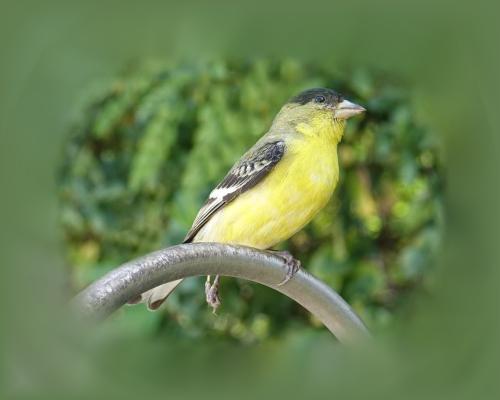
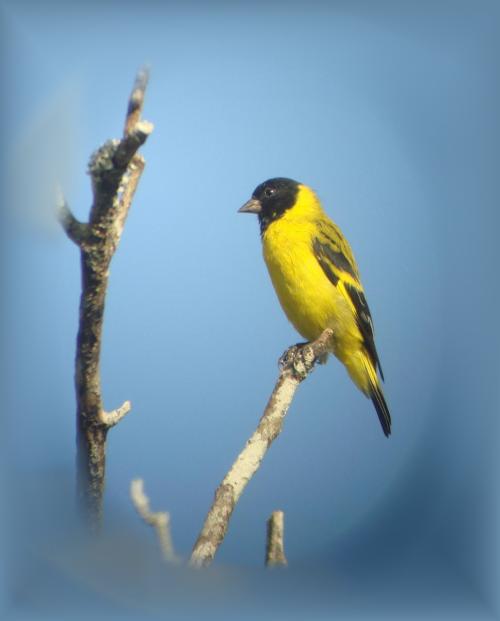
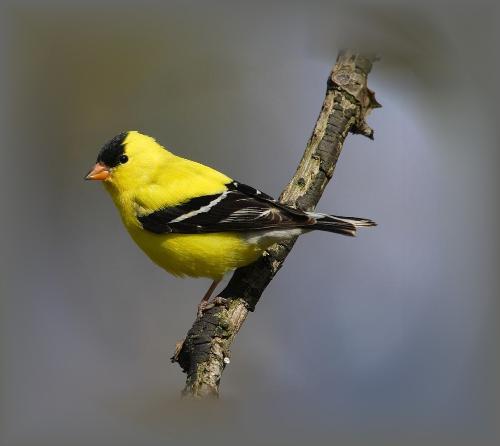
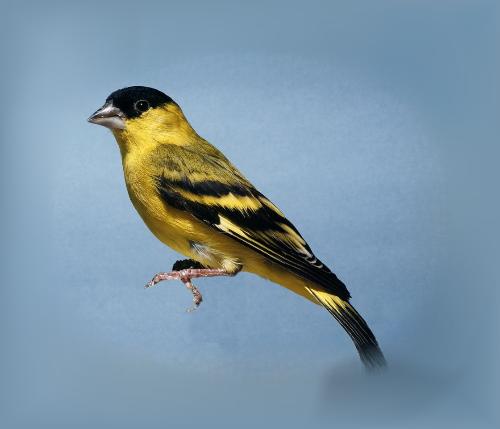
Complete opposite
The opposite facet: images whose qualities point the other way.
- wild boar
- Sheep
- Sloth
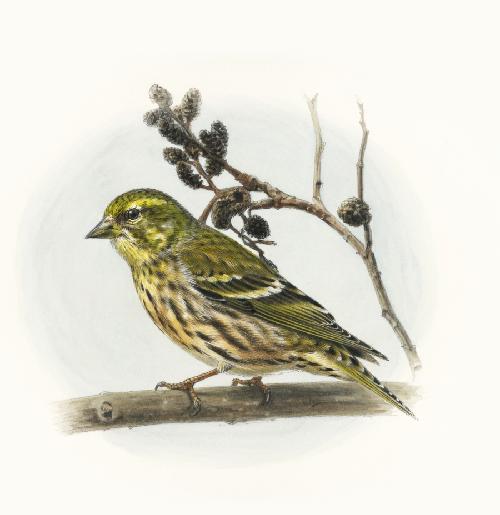
- eurasian siskin
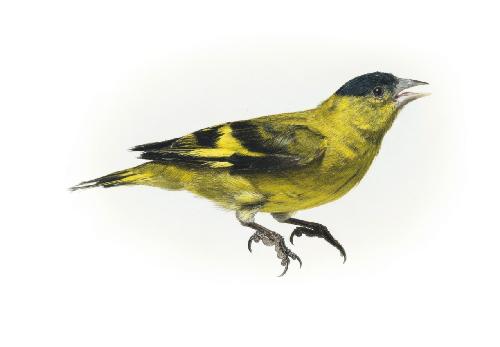
- Black-headed Siskin
- olivaceous siskin
- eurasian siskin
- eurasian siskin
- eurasian siskin
- eurasian siskin
- eurasian siskin
- eurasian siskin
- eurasian siskin
- hooded siskin
- eurasian siskin
- tibetan serin
- andean siskin
- yellow-bellied siskin
- saffron siskin
- lawrence's goldfinch
Find your most suitable archetypes
Archetypes are facets of personality and behaviour: sometimes a hamster, sometimes a lion. Take a test for yourself, a friend or a pet.