









The “Cat” archetype
Cultural context
The domestic cat carries a double reputation in almost every tradition that has lived beside it. Europeans read it as a sign of refinement, luck, magic and intuition. In Egypt it was honoured as a divine creature tied to the goddess Hathor. Chinese tradition made it a guardian of the house and a bringer of good fortune, while in Japan it watches over the family hearth. Russian memory is more divided: the cat has been linked with curses and sorcery, yet just as often with love and elegance. Few animals are allowed to be both a protector of the household and a whisper of the uncanny, and the cat wears both roles without apology.
Scales
Seen through its temperament, the cat reaches for prestige, is moved by beauty, and likes to build order and harmony around itself, with a quiet respect for whatever is ancient and hidden. It is lively and cheerful, values closeness and a partner, and is not above greed or a little cunning. Play, empathy and social boldness are its gifts; quarrelsomeness and stubbornness are the price. It prizes independence and bristles when a crowd leans on it, yet it still wants a warm lap, a sure footing, somebody to settle against.
Strong traits
Dominance, beauty, fertility, protection and secrecy form the core of the cat. It sets a room in order without raising its voice, and does so gracefully, though other people's opinions can get quietly flattened under that confident paw. Its beauty, outward and inward, draws every eye, and clinging to the image, or dreading criticism, is the weak spot. Fertility shows as generosity: the cat opens doors, creates openings and sometimes takes on far more than it can carry. Those it loves are guarded fiercely, occasionally too tightly, and its secrecy works as both strategy and wall, so real closeness is granted rarely.
Noticeable traits
Luck, friendliness, night habits, cunning, lustfulness, fussiness, capriciousness, greed, courage, changeability and meanness make up a restless middle layer that keeps the cat unpredictable. Chance tends to land at its feet and it uses it deftly, though it may trust fortune where a plan would serve better. Its friendliness often covers a fidgety streak, and whims arise wherever desire meets a limit. Cunning and greed win it what it wants; meanness, born of fear, quietly erodes trust. After dark it is at its sharpest, and under threat braver than it looks.
Muted traits
Vengefulness sits low in the cat, a faint note rather than a chord, yet it has a long memory. A slight, an injustice, a promise dropped, and the account stays open. This is the part of the cat that guards its borders, and it lends depth to an otherwise easy charm. Left alone to brood, though, it feeds on the past, sours present friendships and turns a small hurt into a standing grievance. Met with honesty, the same memory becomes plain self-respect: knowing where the line runs and expecting others to honour it.
How to be around
Getting along with a cat means accepting that it wants two things at once: its own way and your company. Back its ambitions, give its luck something to play with, and treat its secrecy as a closed door you knock on only by invitation. Confrontation gets you nowhere with this animal, whereas an offer made in passing, with no audience, often works.
With a woman
A woman-cat sets her own table, and she notices at once who keeps their word. If you promise an evening, be there for it; if she makes a choice, let it stand, and stay close on the days when she is quietly overwhelmed. Praise the way she arranges a room or herself, but praise it as taste, never as decoration. She wants to be trusted before she is admired.
With a man
With a man-cat, say a few steady words before a big moment: he guards everyone else's nerves and rarely has anyone guarding his. Once he has chosen, do not overturn it, even when the plan looks odd or risky to you; hold your objections until the dust settles and raise them as questions. Ask him to look after something specific, and watch him straighten up.
With a teenage boy
Give a teenage boy-cat a territory of his own: a door that closes, a shelf, a schedule he is allowed to bend. His fussiness and moods settle faster when the rules are few and clear and you follow them yourself. Agree on them in a calm hour, not in the middle of a sulk. When he asks you to sit nearby without talking, take the chair.
With a teenage girl
A teenage girl-cat comes alive in company, so find her an audience for her jokes, her games and her ear for other people's moods. Credit her luck and nerve instead of waving them off as showing off. Afterwards leave her a quiet evening with the phone off, a door pulled shut and no questions about how it went; she recovers best alone, and she comes back to the table sharper.
With a child
A child-cat is a small schemer with an inquisitive nose. Say out loud when a tiny victory counts, and treat his sly little inventions as talent worth steering toward honest games, such as a treasure hunt in the garden. When he is stuck, sit down beside him and let him lean, and ask what he would try next before you offer your own idea.
With an animal
An animal-cat, the real house cat, keeps hours of its own, so feed it, play with it and call it when it is awake, which is often after dark. Surrender the best sunbeam and the box it chose. Its vanishing acts are not defiance but part of the old magic people have credited it with for millennia.
After a quarrel
To quarrel with a cat or get under its skin, wound its dignity, then hurry to talk it out. A cat holds a slight longer than most, and an unforgiven insult resurfaces weeks later. A woman-cat is infuriated by being managed, a man-cat by having his choice overruled in front of others, a teen boy by an intruder in his corner, a teen girl by laughter at the wrong moment, a small child by hearing that his tricks are nonsense, and an animal by a locked door or a moved dish.
How to befriend
To befriend a cat or win it over, admire what it is actually good at: luck, looks, guarding, play. Leave the door open so it can leave and return, and turn up at the moments that matter. Its whims and greed may try your patience, yet they are what make it alive. A woman-cat warms to promises kept; a man-cat to trust in his judgement; a teen boy to a door he may shut; a teen girl to an appreciative crowd; a little one to a game of hide-and-seek; and an animal to a steady bowl and a quiet place to watch the world.
Similar archetypes
Close facets: images with a similar set of qualities.
- broad-bodied chaser
- red-veined darter
- four-spotted chaser
- sedge darner
- black darter
- hairy hawker
- robust spreadwing
- blue hawker
Complete opposite
The opposite facet: images whose qualities point the other way.
- wild boar
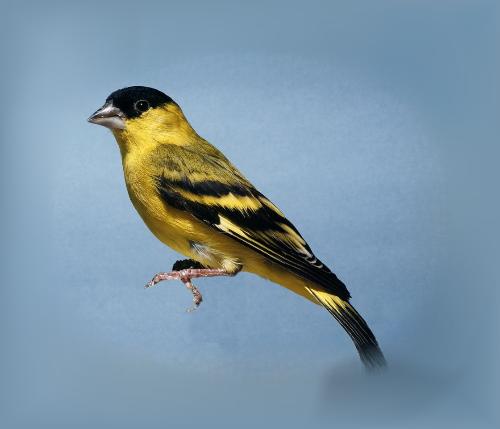
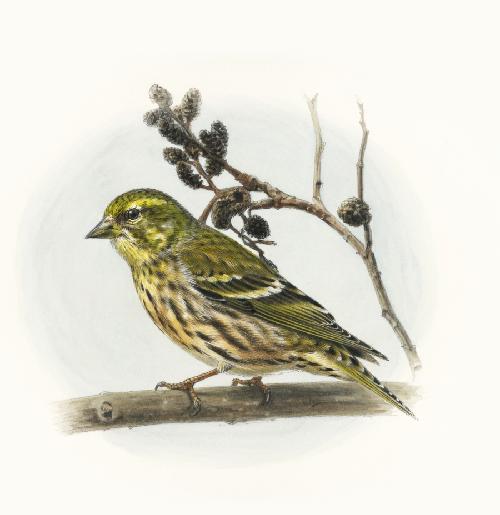
- eurasian siskin
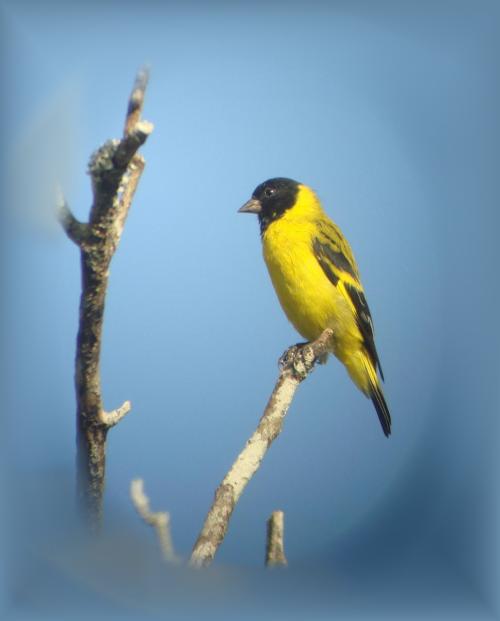
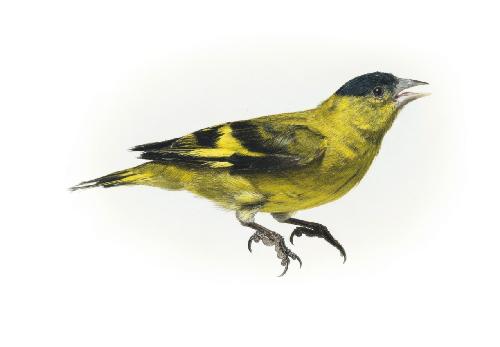
- Black-headed Siskin
- olivaceous siskin
- eurasian siskin
- eurasian siskin
- eurasian siskin
- eurasian siskin
- eurasian siskin
- eurasian siskin
- eurasian siskin
- hooded siskin
- eurasian siskin
- tibetan serin
- andean siskin
- yellow-bellied siskin
- saffron siskin
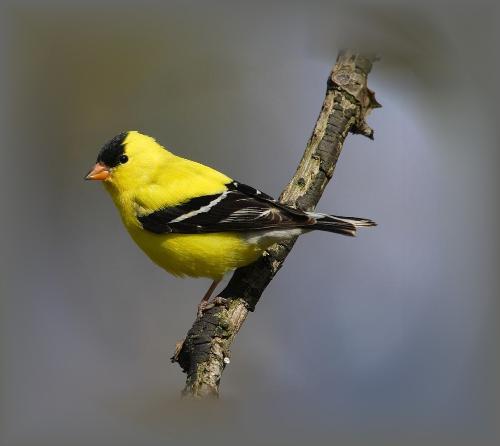
- lawrence's goldfinch
- Sheep
- mallard
- Mole
- Common Frog
Traits and their opposites
Each trait of this archetype — and what is opposite to it.
- Nocturnal Essence ↔ Diurnal Essence
Find your most suitable archetypes
Archetypes are facets of personality and behaviour: sometimes a hamster, sometimes a lion. Take a test for yourself, a friend or a pet.