











The “Grasshopper” archetype
Cultural context
In Japan the grasshopper is a summer singer: its chirping is prized as music, and its leaps are read as a sign of luck and a light step through life. European tradition spins it into folk dances and festive revelry, while Chinese culture sees in a swarm lifting into the air a picture of abundance. This archetype, known to science as Locusta migratoria, stands for movement, sound and rhythm. It is an insect that seems to treat the whole meadow as a stage, and its fame rests less on what it builds than on how gladly it springs from one bright patch of grass to the next, taking its song along.
Scales
Seen through the personality scales, the grasshopper turns out to be a creature of strong poles and sharp contrasts. Its strengths lie in creating order and harmony, in sensitivity to beauty, in play and humour, and in a search for meaning and a quiet bond with the world; it is sociable, energetic among company, and attached to old custom and to a sense of something set apart. It is also hardy, open to the new, and gentle enough to cooperate. Against that stand chaos and carelessness about duty, an emotional coolness that keeps feelings tucked out of sight, and a streak of cunning and greed. The result is a life lived between balance and storm, and each trait gets its turn in the sun.
Strong traits
Frivolity, lightness, cheerfulness, harmony and carefreeness form the core of the grasshopper. It hops from one task to the next, refuses to sink into gloom, and finds a reason to laugh where others frown. That mood is contagious: a team with a grasshopper in it keeps its spirits up, and quarrels cool off before they catch. The price is depth. Serious conversations are dodged with a joke, hard decisions slide to tomorrow, and promises made in a good mood sometimes stay unkept. Peacemaking can turn into peace at any cost, with the real argument never held. Still, the cheerful ease is no pose, and it is what people remember.
Noticeable traits
Gluttony, in the grasshopper, is an appetite for life more than for dinner. It swallows news, friends, plans and new skills with equal relish, and that hunger feeds a quick growth and a vitality that seems to have no bottom. The trouble comes when the plate is already full and it keeps reaching. Measure disappears first, then the taste of what it is eating, and a bright burst of energy turns into a stretch of exhaustion.
Muted traits
Laziness here is quiet and rarely complete. The grasshopper knows how to stop on a blade of grass, soak up the sun and let strength return, and this gift for real rest is a skill many busy people lack. The danger lies in the stretch when rest stops being rest. A pause that was meant to last an afternoon begins to cover a pile of unfinished duties, and the grasshopper has to tell honest recovery from plain putting off.
How to be around
How do you deal with a grasshopper? Start by accepting the whole package: the laughter, the sudden leaps, the forgotten appointment. A joke opens its door faster than a lecture, and a plan that looks like a game will be followed where a schedule is ignored. Pace is not what it needs; it needs a tune it can hum along to, and a friend who does not mistake its lightness for emptiness.
With a woman
A woman-grasshopper often says the most important thing as a joke, so answer the joke and then listen for what is under it. When there is work to share, turn it into a wager or a race and let her pick the prize. A tidy list handed over with a stern face will simply vanish from her pocket within the hour.
With a man
Forget long plans with a man-grasshopper. Hand him a single small task with a clear day attached, and thank him in front of other people when it is done; praise works on him better than any alarm clock. He will promise a lot cheerfully, so write the date on something he will see, perhaps even the fridge door.
With a teenage boy
A teenage boy-grasshopper needs a stage more than a rulebook. Let him strum a guitar badly, film silly sketches, or build a ramp for his bike, and then ask what turned out funniest. Questions like that tell him you are interested, and the choice of the next scheme can stay with him. Mistakes will come anyway, and they land softer when you laugh with him first.
With a teenage girl
For a teenage girl-grasshopper, beauty is a language. Give her a notebook for sketches, a playlist to build or a scarf to dye, something lovely that rewards finishing, and she may find that completing a project feels like a small triumph. Admire the result aloud, but save the comments on her messy room for another day.
With a child
A child-grasshopper lives in leaps, so dress chores as games: crossing the hall is crossing a stream on stepping stones, tidying toys is feeding the animals one by one. Cheer for every jump that lands where it was aimed. Long speeches slide off this little one, while a rhyme or a song about the task sticks fast.
With an animal
An animal-grasshopper is happiest with a warm, sunny spot for springing about and a thick tuft of fresh grass to hide in. Handle it rarely and lightly, with a cupped hand rather than a grip, because a sudden squeeze ends the trust fast. After a spell of frantic hopping it will want a quiet corner to sit out the rest.
After a quarrel
To quarrel with a grasshopper or get under its skin, plan its day to the minute, forbid jokes at the table and demand an account of every missed deadline. Add the sneer that it never takes anything seriously, and you will have a sulking, cold-faced stranger in no time. A woman-grasshopper bristles when her laughter is read as stupidity; a man-grasshopper, when his right to change his mind is taken away. Teens flare up at being nagged to grow up, a child at a banned game, and an animal at a net waved over its head.
How to befriend
To befriend a grasshopper or win it over, laugh with it and point out small beauties: a patch of light on the wall, a song drifting from a window, a silly word. Invite, never oblige. It drifts toward whoever makes things feel easy, and it grows most dependable exactly where nobody watches it. A woman-grasshopper warms to a friend who admires her sparkle, a man-grasshopper to a partner for a spontaneous trip, and an animal to a patient hand that arrives with fresh grass.
Similar archetypes
Close facets: images with a similar set of qualities.
- Parrotfish
- american black bear
- Sable
- Goldfish
- Neon tetra
- broad-bodied chaser
- red-veined darter
- four-spotted chaser
Complete opposite
The opposite facet: images whose qualities point the other way.
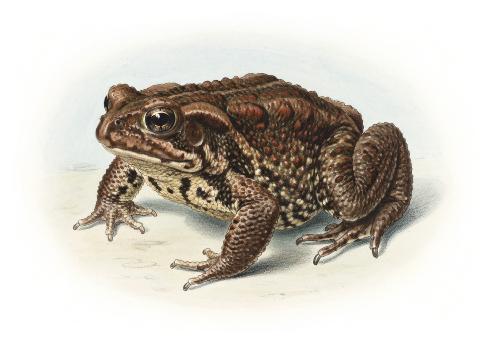
- European toad
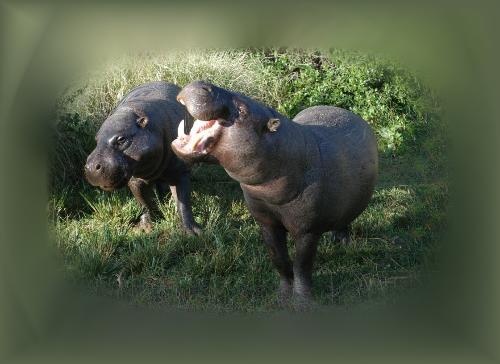
- pygmy hippopotamus
- Wild boar
- Michael's Termite
- Yellowish Termite
- Natal Termite
- Bellicose Termite
- Black Macrotermes
- Mole
- African Owl
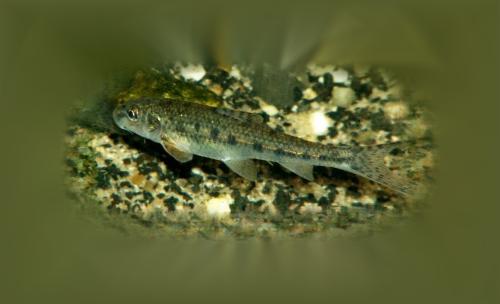
- Gudgeon
- Chinese mitten crab
- common shore crab
- shore crab
- Horn-eyed ghost crab
- Short-fingered soldier crab
- Lined shore crab
- Pink ghost crab
- Scaly rock crab
- purple shore crab
- green shore crab
- Flat-fronted shore crab
- Lightfoot crab
- Plicate shore crab
- Marbled rock crab
- Asian shore crab
- Brush-clawed shore crab
- black agouti
- atlantic ghost crab
- Land crab
Find your most suitable archetypes
Archetypes are facets of personality and behaviour: sometimes a hamster, sometimes a lion. Take a test for yourself, a friend or a pet.