









The “Lion” archetype
Cultural context
In the African savanna and across the plains of India the lion has worn a crown for as long as stories have been told. Some peoples picture it as the guardian of the herd; others as the king of the natural world, the one who sets order and shelters the weak. Its likeness appears on coats of arms, in rituals and in myths, where it stands for justice and royal valour. A ruler's worth, these tales suggest, is measured by the protection it offers, not by the fear it spreads. Even the lion's famous afternoon sleep reads, in such stories, as the rest of someone who has earned it, and an animal that can lie down in plain view is one nobody dares to challenge.
Scales
Seen through these traditions, the lion keeps company with prestige, stamina and sheer physical power. It shows no great reverence for old custom, yet it meets anything new with open curiosity, and its mind likes to turn a problem over and take it apart piece by piece. Order and discipline come easily to it; rebellion does not, and it would rather march in step with the pride than strike out alone. Still, it never turns its back on the society around it. It guards its strength and its good name with equal care, and it stays part of the world it rules instead of standing apart from it, a king who is also a neighbour, and proud of it in his own quiet way.
Core traits
Honesty, loyalty to the group and a natural majesty form the foundation of the lioness. She says what she sees, with no talent for softening a hard truth, and the bluntness is part of why others trust her. She stands behind her own without being asked, and would sooner go hungry than abandon those who depend on her. Her bearing carries such dignity that strangers sometimes mistake it for coldness or disdain, when really it is the calm of someone who knows exactly what she is responsible for and does not need to prove it to anyone, least of all to a passing stranger.
Strong traits
Courage, a taste for command and an unmistakable authority make the lion the one others look to when danger comes. A man-lion steps between the threat and his family before he has weighed the odds, and his protective streak can harden into wariness of every outsider. Wisdom builds slowly, with experience, though caution may delay his decisions. Pride keeps his boundaries firm, and the same pride makes it hard for him to accept a helping paw even when he plainly needs one, so dominance sometimes leaves him lonelier than he would ever admit to the pride.
Noticeable traits
Smugness, temper and idleness show up in the lion in moderate measure. He is so sure of his own worth that he can overlook what others bring to the pride, and he flares quickly when someone crosses a line he has drawn. The anger passes, but it leaves a mark. After a good hunt he can stretch out in the shade far longer than the moment calls for, content to let the whole world wait its turn.
Faint traits
Kindness barely shows. A cub may nuzzle a tired sibling now and then, but generous help and easy forgiveness lie buried deep in the lion, like embers under ash. They are not gone, only banked. When that warmth does break through, it comes without any calculation, and the giver can burn out before noticing how much has gone, and that is perhaps why is perhaps why the lion keeps it so carefully out of sight.
How to be around
Living well beside a lion starts with understanding that you cannot buy his attention; it goes to those who respect his strength and keep their word. Speak plainly, skip the flattery, and let him run his own circle until he asks for your opinion. Hints and polite detours bore him, while one straight sentence wins a hearing and usually a nod of approval as well.
With a woman
A woman-lioness weighs words by their honesty, so tell her the real situation, even when it is awkward. Offer to take a shift looking after the people she protects, and let her hear thanks said aloud. Practical help beside her, rather than advice about how she ought to do it, is what she remembers for a long time afterward, and it earns far more trust than a speech.
With a man
Before a risky step, tell a man-lion something short and firm: you have what this takes. In a joint project hand him the lead on the part he asked for, and save your objections for a calm hour afterward, when he is not defending his ground. He will listen to a clear argument far better than to a crowd.
With a teenage boy
A teenage boy who is a lion cub at heart wants to wrestle, race and be tested. Challenge him to a match or a long run, then praise how hard he tried, not only the score. Conversations about feelings happen more easily on the walk home than across a table, with the evening getting dark.
With a teenage girl
A teenage girl-cub guards her dignity closely. Ask for her view in front of others and let her set the terms for small matters such as her room, her schedule and her friends. An order given with an audience is the kind she remembers for years, so keep corrections private and brief.
With a child
A child-cub learns through pounce and play. Hide a toy for him to track, build a fort and let him be king of it, and turn bedtime into a slow story about the pride returning home. Bursts of energy followed by long, heavy naps are normal for him and need no scolding or any clever explanation.
With an animal
A lion keeps its territory in order and its patrols regular, so give it a high resting place with a view and a daily routine it can predict. Reward calm, confident behaviour with a quiet word or a favourite treat, and leave a sleeping animal alone: its long naps are not laziness, merely the lion's way of recovering.
After a quarrel
To quarrel with a lion or get under his skin, you only need to soften the truth when he expects bluntness, or to threaten those he protects. A woman-lioness bristles when her word is doubted, a man-lion when his order is questioned in public, a teenage cub when failure becomes a joke, a girl when she is corrected before her friends, a small child when a toy is snatched mid-chase, and an animal when a stranger strolls into its territory uninvited and acts as if he owned it.
How to befriend
To befriend a lion or win his heart, show that you can be relied on: arrive when you said you would, speak without detours, and never promise lightly. He enjoys a thoughtful companion, so bring a question worth chewing over. A woman-lioness is won by loyalty to her family, a man-lion by trust in his judgment, and a lion that lives in your home by a warm patch of sunlight where it can doze undisturbed.
Similar archetypes
Close facets: images with a similar set of qualities.
Complete opposite
The opposite facet: images whose qualities point the other way.
- wild boar
- Sheep
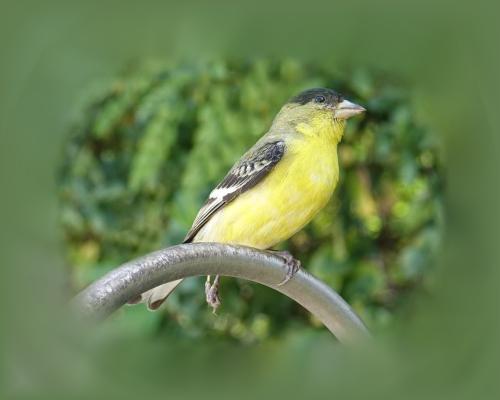
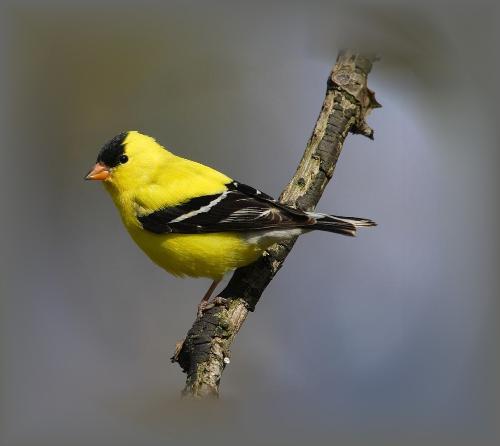
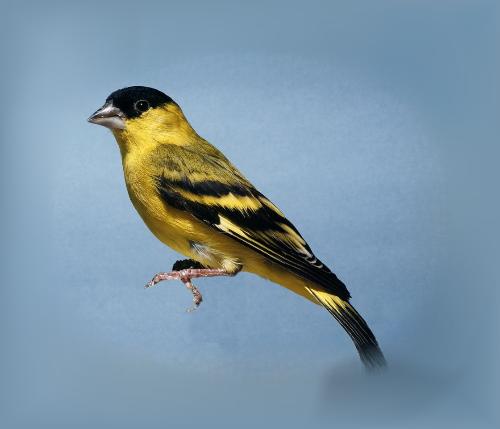
- eurasian siskin
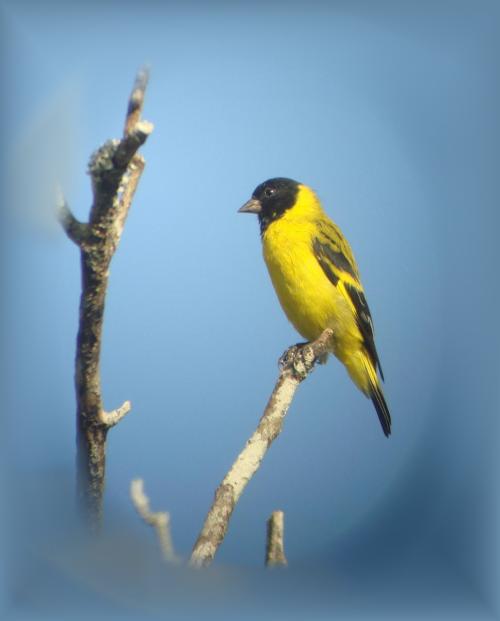
- Black-headed Siskin
- olivaceous siskin
- eurasian siskin
- eurasian siskin
- eurasian siskin
- eurasian siskin
- eurasian siskin
- eurasian siskin
- eurasian siskin
- hooded siskin
- eurasian siskin
- tibetan serin
- andean siskin
- yellow-bellied siskin
- saffron siskin
- lawrence's goldfinch
- Sloth
Find your most suitable archetypes
Archetypes are facets of personality and behaviour: sometimes a hamster, sometimes a lion. Take a test for yourself, a friend or a pet.