



















The “Common Brown Lemur” archetype
Cultural context
Madagascar is the only home of the brown lemur, Eulemur fulvus, and the animal has long belonged to the island's landscape. In Malagasy tradition it appears as a creature of the troop: it feeds, basks and calls out together with its kin, and nobody pictures it alone. That is how the archetype paints it. Chatty, quick on its feet and curious about everything that moves, it is always in the middle of its own people. Its playfulness and its sense of belonging are the first things anyone notices, and they are what the island's tellers value in it. Gathering with others is simply the natural state of this animal, and everything else about its character grows out of that.
Scales
Look at the brown lemur through the scales of character and a sharp mind comes first: it turns things over, takes them apart and sets them side by side, always asking what lies behind a thing. Beside that mind sits real liveliness in company. The lemur speaks up without fear, jokes readily and treats anything unfamiliar as an invitation instead of a threat. A stubborn streak runs through it as well, and it bristles when the troop leans too hard on its choices. It carries a quiet inner pull toward meaning and a stamina that keeps it going long after others tire. Yet there is a cooler side too. When feelings run high it can turn dry and matter-of-fact, which makes it seem harder than it is. Under the bounce and the chatter lives a thoughtful animal that weighs things carefully.
Strong traits
Loyalty to the group is the backbone of the brown lemur's nature. It does not treat looking after its own as a heroic deed; it simply turns up beside a troop-mate in trouble before anyone has called. Out of that devotion come solid teams, deep trust and a readiness to stand up for the common cause. The price is easy to miss. A lemur can melt into the troop so completely that its own wishes slide to the back, traded away to keep the peace, until it begins to feel homesick for itself. Then the cheerful one in the middle goes quiet, and nobody understands why.
Noticeable traits
Playfulness, curiosity and cunning sound at half volume in the brown lemur, but they never go quiet. It finds something to laugh about at the tensest moment, and one well-aimed joke can clear a heavy room. Curiosity pulls it toward every new crevice and every fresh project, though finishing what it began is another matter, and long plans slip away while it chases the next bright thing. It makes friends with people and animals alike, and its lightness sometimes costs it focus on matters that truly count. Its cunning reads a situation well and spots the side door nobody else saw. Now and then, however, that same talent whispers that a small trick is easier than a direct word, and the lemur listens.
How to be around
Dealing with this animal starts with accepting that company and play are its natural weather. Share its enthusiasm first, then agree on one small, clear task for the serious stretch, because its attention scatters exactly where focus is needed. Praise what it finishes, and it will finish more. Expect jokes during important talks, and answer one with a smile before steering back.
With a woman
A woman-lemur blooms when somebody picks up her joke and runs with it. Laugh with her, properly and out loud, then ask quietly what is weighing on her, since the light tone often covers a sense of responsibility for the whole crowd. Take over one chore that has piled up on her, and tell her plainly what you value in her company, whether it is her warmth, her quick eye or the way she keeps everyone talking. Never hold her up against other people; she wants to be known as exactly who she is.
With a man
A man-lemur will tell you himself when he wants allies, so answer at once with a suggestion or a pair of hands. Ask him to work out how a shared plan could go, because he likes a puzzle he can solve aloud. If he hides behind wisecracks and dodges a real talk, step back and return later with a calmer question. A cool answer from him usually means tiredness, not scorn.
With a teenage boy
A teenage boy-lemur lives for today and finds delight in trifles, so do not sneer at his latest craze. Ask him to show what he has dug up and hear him out to the end. A gravity he is ordered to show will never come; it arrives on its own when friends are around and somebody trusts him with real stakes.
With a teenage girl
A teenage girl-lemur can spot light in places others call dull, and that gift deserves to be named aloud. Her breeziness is deceptive. Hand her a small job to run on her own, and she will throw herself into it with real zeal. Credit the effort, not the mood: behind a cheerful face there is honest work, and she knows it better than anyone.
With a child
A child-lemur reaches for anything shiny, rustly or hidden, so follow him round the room with curiosity instead of prohibitions. When something frightens him, do not wave it away. Crouch beside him and peer into the scary corner together. Join his games on his terms, with his rules, and he will remember it for years.
With an animal
A lemur kept as an animal wants a troop, even a troop of two, so play with it, chatter at it, share your evening meal. It also needs a corner that is its own and a territory it knows by heart. Let the animal choose between a game and a nap; it has a fine sense of when to settle down.
After a quarrel
To quarrel with these animals or get under their skin, simply ignore its attempts to start a conversation and demand sacrifices from it on behalf of the group. Tell it, coolly, to stop clowning around and be serious. A woman is stung when her jokes are treated as fluff, a man when his help is taken for granted and never thanked. A teenage boy flares at mockery of his hobbies, a teenage girl at a small task handed over and then picked apart, a child at a ban on poking into things, and the animal at noise near its ear while it tries to rest. Cut a lemur off from its troop and its good humour curdles into sullen silence.
How to befriend
Anyone hoping to befriend a lemur and win it over should notice its warmth and the way it holds the troop together, and say so. Then bring something small to play with, and let it be the one who invents the rules of the game. Show up often, because a lemur trusts those it sees every day. A woman is won by honest laughter at her wit, a man by credit for his resourcefulness when a problem finally gives way. A teenage boy likes being asked to show his world, a teenage girl is pleased by a job of her own, a child wants discoveries made side by side, and the animal values a bowl in a familiar spot and respect for its quiet hours.
Similar archetypes
Close facets: images with a similar set of qualities.
- Beluga whale
- Porpoise / Dolphin
- Macaque
- glow-worm
- Japanese Eel
- European robin
- canis lupus dingo
- Fur seal
Complete opposite
The opposite facet: images whose qualities point the other way.
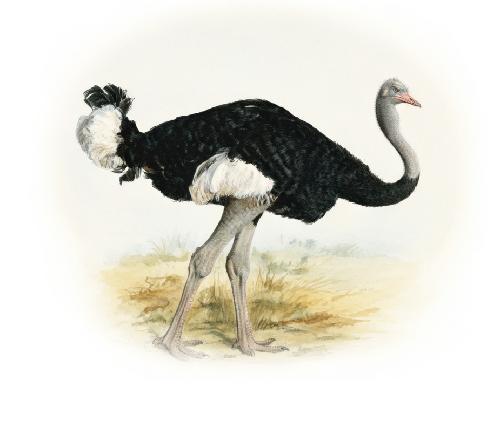
- somali ostrich
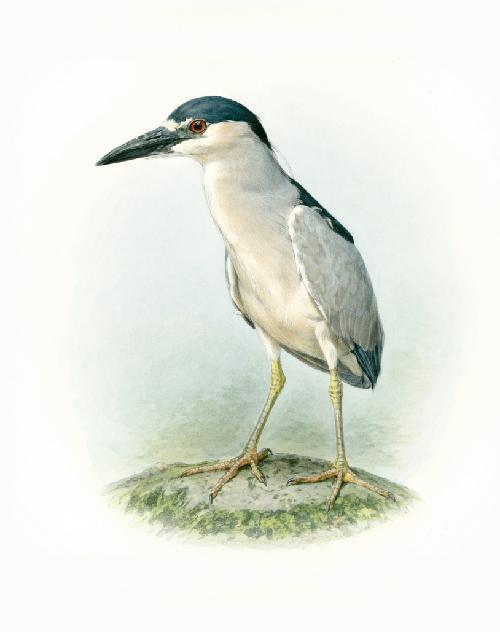
- black-crowned night heron
- Cockroach (domestic, red)
- common european toad
- Human Flea
- Dog Flea
- Oriental Rat Flea
- Hen Flea
- Northern Rat Flea
- chigoe flea
- Hedgehog Flea
- new zealand bat flea
- Martin Flea
- cat flea
- Ceratophyllus farreni
- Chaffinch Flea
- Rabbit Flea
- Mouse Flea
- sticktight flea
- Squirrel Flea
- Sparrow Flea
- Amalaraeus dissimilis
- Northern Flea
- Ceratophyllus chasteli
- Blanc de l'Ouest Pig
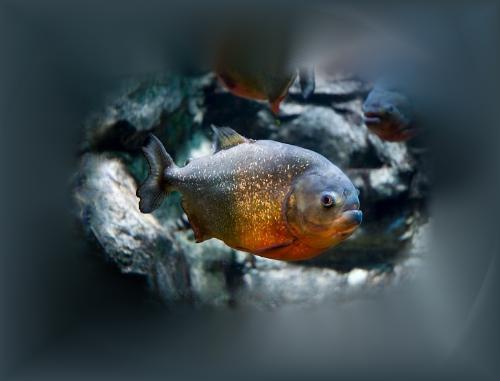
- Piranha
Find your most suitable archetypes
Archetypes are facets of personality and behaviour: sometimes a hamster, sometimes a lion. Take a test for yourself, a friend or a pet.