










The “Rabbit Flea” archetype
Cultural context
Across Europe, Russia and the far hills of Asia the rabbit flea Spilopsyllus cuniculi has always been treated like a thread that slips between skin and cloth. It lives on warmth it cannot make, rides through blizzards it cannot stop, and vanishes the instant a hand reaches down. Folk memory keeps the picture of something that clings tightly yet is never seen, a creature that stores blood for lean days the way a miser stores coins beneath the floorboards. People who carry its name are imagined to watch exits while they smile, to plan their retreat before they even greet you, and to scent every coming storm long before the sky darkens. The image never praises open-handed courage; it praises the quiet art of lasting when stronger creatures fall.
Scales
In the old stories the rabbit flea reads like a ledger kept in shadow: cunning and greed sit on the credit side, a sense of entitlement curls beneath every plea for shelter, while quarrelsomeness and stubbornness bristle whenever anyone tries to take the account away. Fragility colours its every move, a quick surrender when the wind shifts, yet the same creature will hoard the smallest crumb rather than share it with a hungrier neighbour. It rarely lifts its eyes toward distant stars; instead it stays close to the grain of the wood, content to count specks of dust. It follows the herd more often than it leads, keeps its counsel, and meets the world with a seriousness that leaves little room for play.
Core traits
Greed drives the rabbit flea to gather every drop of warmth, every scrap of safety, every useful secret it can carry. It stores these things the way a cellar stores apples: in darkness, in silence, against the day when nothing else remains. At the same moment its manipulativeness lets it read the smallest twitch of an ear or the slightest change in breathing, turning those signals into paths that lead others exactly where it needs them to stand. The strength of both habits is foresight; their danger is the lonely certainty that no one else will ever be careful enough.
Strong traits
Baseness slips in whenever fear presses too hard, pushing the rabbit flea toward small betrayals that buy it another hour of safety. Misfortune follows close behind, so that even a carefully hidden nest can collapse under a single careless footstep. Rudeness serves as armour: words are clipped short, compliments withheld, and the truth is dropped like a stone. Pettyness keeps the eye sharp for every loose thread or uneven seam; what begins as useful watchfulness can harden into endless tallying of tiny slights until the larger horizon disappears behind the list.
Noticeable traits
Worthlessness moves through the rabbit flea like a low mist. It rarely claims space at the centre of anything, preferring instead to slip along the edges where attention is thin. The same modesty can steady a frightened group by stepping aside at the right moment, yet the same feeling also whispers that any claim to notice is already too much. In quiet hours the creature measures itself against the vast turning of seasons and finds itself smaller than a single grain of sand.
How to be around
Approach the rabbit flea as you would a half-open door: move slowly, keep your hands visible, and never stand between it and the nearest exit. Its caution is not aimed at you in particular; it is simply the way it has learned to stay alive. If you speak first about what you need from the situation, the creature can begin to calculate its own safety within those terms.
With a woman
A woman who carries the rabbit flea’s temper will count every promise like coins in a purse. Offer her a clear inventory of what you can spare before she has to ask; the sight of an open hand eases the old fear that nothing will be left when hard times arrive. When she begins to test the strength of your word, answer with the same plain figures she uses, and she will stop adding imaginary shortages to the total.
With a man
A man who moves like the rabbit flea notices the small shifts in allegiance long before others feel the ground tilt. Let him steer the next step in any shared plan; he already sees the hidden motives that could turn the road. If you disagree, state the objection once, without embroidery, and then step back so he can weigh it against the currents he is already reading.
With a teenage boy
A teenage boy who shares the rabbit flea’s quickness may lie about small things simply because the truth feels too expensive to spend. When he senses danger he folds inward rather than argue, as if the ground itself might give way beneath an honest word. Ask him to name one fear out loud each day; the practice slowly turns the habit of hiding into a habit of measuring risk before it grows into panic.
With a teenage girl
A teenage girl who feels the rabbit flea’s sense of looming collapse will treat every change of plan as the first crack in a wall. She prepares for disappointment the way others prepare for celebration, keeping an extra route open in her mind. Invite her to name one outcome that would still be acceptable if the first plan fails; the exercise loosens the grip of the waiting catastrophe without denying that it might come.
With a child
A child who has the rabbit flea’s blunt tongue may cut straight through pleasantries when something feels unfair. The words can sting, yet they also clear the air before resentment can settle. When the child speaks too sharply, answer with the same directness rather than a scolding; the exchange shows that plain speech does not have to end in exile.
With an animal
An animal that carries the rabbit flea’s narrow focus will examine every seam of its cage or basket before it settles. It notices a single loose staple the way a reader notices a dropped letter. Leave that staple where it is until the creature has finished its inspection; removing it too soon only restarts the anxious circuit of checking and re-checking.
After a quarrel
The rabbit flea rarely raises its voice; instead it withdraws its attention the way a tide withdraws from a stone. A woman will begin to list every past favour she has granted, each item a small weight added to your side of the scale. A man will question the next practical step in front of others, letting the doubt work like rust. A teenage boy will simply stop answering messages, his silence itself an accusation of waste. A teenage girl will agree to every suggestion while already planning the separate path she will take alone. A child will repeat the exact words that hurt it, turning the phrase into a stone that cannot be moved. An animal will refuse its usual corner, forcing the household to rearrange itself around the sudden emptiness.
How to befriend
The rabbit flea makes friends the way it stores warmth: slowly, without announcement, and only after the exits have been checked twice. A woman warms when she sees that you keep a spare blanket for her without being asked. A man stays when you let him set the pace of a joint task and then credit the finished work to both of you. A teenage boy lingers if you notice the single detail he fixed that no one else saw. A teenage girl draws nearer once you remember the small worry she mentioned days earlier and ask how it resolved. A child trusts you after you answer its sudden question about fairness without laughing. An animal accepts your presence when you sit nearby without reaching, letting it finish its own quiet inventory of the room.
Similar archetypes
Close facets: images with a similar set of qualities.
- Human Flea
- Dog Flea
- Oriental Rat Flea
- Hen Flea
- Northern Rat Flea
- chigoe flea
- Hedgehog Flea
- new zealand bat flea
Complete opposite
The opposite facet: images whose qualities point the other way.
- Pelican
- common rorqual
- Duck
- Stoat
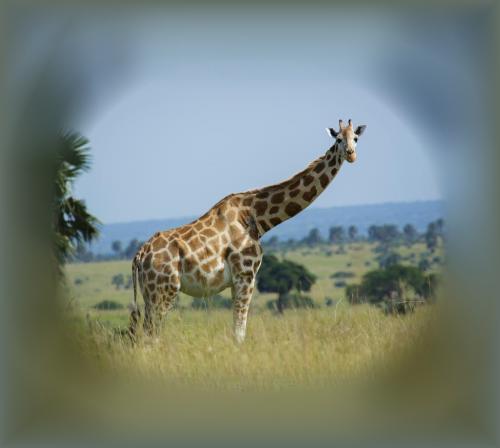
- giraffe
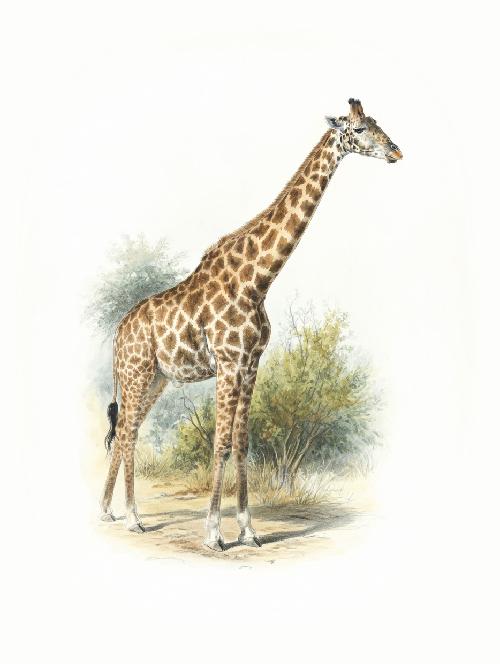
- rhodesian giraffe
- Angolan Giraffe
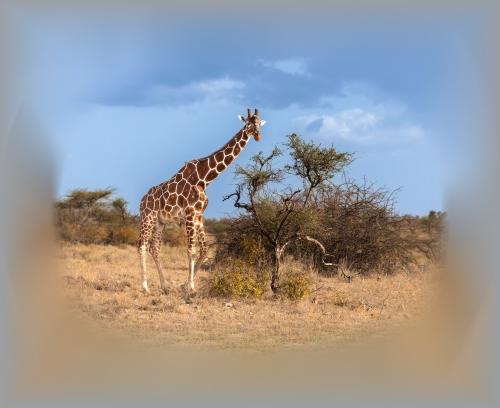
- Reticulated Giraffe
- Reticulated Giraffe
- Southern Giraffe
- Angolan Giraffe
- giraffe
- Chamois
- African Ostrich (female)
- Reindeer
- american bighorn
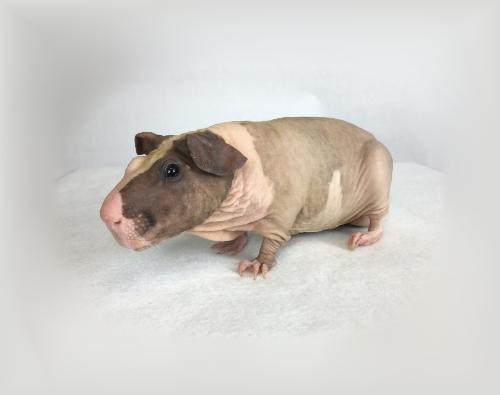
- Guinea pig
- wild boar
- East Asian Deer
- Sheep
- fischer's lovebird
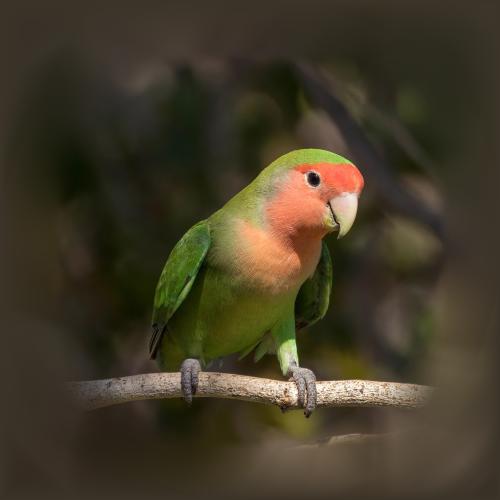
- rosy-faced lovebird
- black-winged lovebird
- yellow-collared lovebird
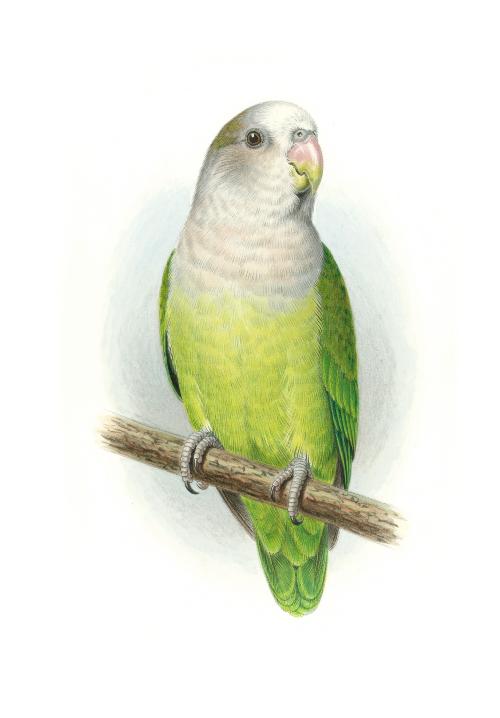
- grey-headed lovebird
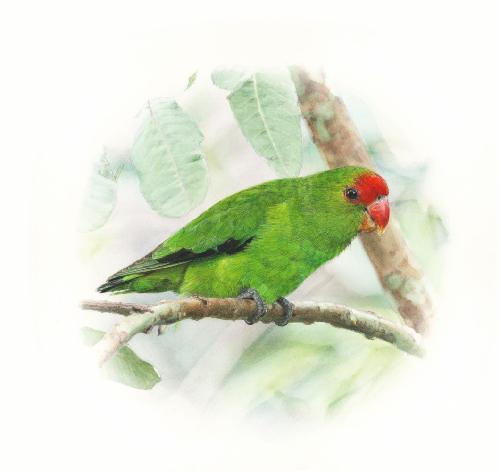
- red-headed lovebird
- black-collared lovebird
- rosy-faced lovebird
- black-cheeked lovebird
- nyasa lovebird
Find your most suitable archetypes
Archetypes are facets of personality and behaviour: sometimes a hamster, sometimes a lion. Take a test for yourself, a friend or a pet.