























The “Porpoise / Dolphin” archetype
Cultural context
Along many coasts, the common porpoise has long been watched from boats and harbour walls, and the watching has produced meaning. In some fishing communities its appearance is taken as a good omen, a sign that the season will be generous and the water alive with fish. Other coastal peoples link it with fertility and with the abundance of the sea itself. Elsewhere it stands for something quieter: the knack of surviving in rough, unforgiving water and still turning up beside human boats with what looks like goodwill. Local legends lean on that image when they want an example of adaptability, of an animal that adjusts to tide and weather without losing its cheer. A small, quick, companionable shape in the swell, it gives sailors the sense that the sea, for once, is on their side.
Scales
Seen through its strong poles, the porpoise is a thinker first. Its mind goes deep and likes to analyse; it is drawn to anything new and unexplained, and it carries a restless appetite for play, humour and company. Spirit and body keep pace with the mind: this is a creature tuned to the wider sea, with stamina, strength and a diligent habit of finishing what it starts. It will spend itself for others, yet it can also dig in against the drift of the group when its own judgment matters. The one cool note is emotional. A hard, level temperament leaves it unruffled by drama, which can read as distance until trust is earned. Mild tolerance, a respect for old habits and a gentle readiness to cooperate soften the whole picture.
Core traits
Wisdom is the keel of this archetype. The porpoise learns from experience rather than from rules, and it has a patient eye for what a situation is really about, so people drift toward it when matters get tangled. The cost is caution. It weighs, circles back and weighs again, and the chance to act can slip past while it is still deciding. Where others leap, the porpoise waits and watches the water, then moves once the shape of the problem is clear; sometimes that is exactly right, and sometimes the moment has already gone.
Strong traits
Play is how this animal breathes. A porpoise finds delight in small things, solves problems with a sideways idea and defuses a tense room with a joke before anyone has named the tension. Beside that lightness sits a firm loyalty to the group: it holds a team together when times are hard, guards shared interests and keeps trust in repair. Both traits carry a price. Fun can pull attention from long, serious commitments, and devotion to the pod can grow into dependence on it, to the point of giving up personal needs for the group's sake.
Noticeable traits
Courage and temper share a shoreline here. When someone in its circle is in danger, the porpoise moves toward the problem rather than away, and its aggression gives it a firm voice for drawing lines. Held with discipline, these traits are protective and bracing, and the energy has somewhere useful to go. Left unchecked, bravery turns into recklessness, with risks undersized and warnings ignored, while stubbornness joins in and the urge to defend a boundary hardens into quarrels that wear relationships away.
Muted traits
Meanness is a minor current in these waters, rarely seen but real. It surfaces mostly out of fear: when the pod or the porpoise itself feels threatened, a cooler, calculating side may reach for deception or a betrayal that pays. The damage is plain, as trust frays and self-esteem sinks beneath the cleverness. Yet the same animal can study its darker moves, wince at them and come back afterwards more honest than before, which is how its worst impulses become its teachers.
Faint traits
Kindness sits lowest, a faint background hum. The porpoise will help and forgive readily, and its warmth makes a room feel safe, but it seldom notices where its own strength ends. People who lean on it can take far more than it can spare, and the result is a slow exhaustion that nobody sees coming, least of all the porpoise itself.
How to be around
Dealing with a common porpoise means dealing with a quick mind that wears a playful face and keeps a hard edge in reserve. Offer it company, curiosity and honesty, and watch how it protects those it counts as its own. The paragraphs below sort the advice by who you are facing, because a porpoise at fifty and a porpoise at five need different things.
With a woman
A woman-porpoise tends to see more in a situation than she says, so ask what she has noticed before you announce your own view. Bring her a puzzle worth chewing on, a plan with a flaw or a problem with no obvious answer, and allow the pause her caution needs; the answer usually arrives complete and well considered.
With a man
With a man-porpoise, loyalty is the lever. Tell him what the group needs and why, and his steady energy follows. When he is glum and silent, resist the urge to interrogate; sit nearby, share a task with your hands and let talk begin over the work. He also takes praise more readily when it is aimed at his team than at him.
With a teenage boy
A teenage boy-porpoise tests every limit, partly for fun and partly because he is tired of being told. Turn the test into a game with rules he helps write: a dare, a wager, a race against the clock. He will bristle at a rule imposed from above, but he guards one he has built himself.
With a teenage girl
A teenage girl-porpoise hides her sharpness behind banter. Meet her wit with wit, then make room for the serious sentence tucked behind it, because that is where she tells the truth. Never mock her in front of friends; a sudden coldness can follow, and it lasts. If she goes quiet, a text with a silly picture will do more than a heart-to-heart.
With a child
A child-porpoise is a born explorer with a sense of fairness that arrives early. Explain why a rule exists and why it applies to everyone, and the little one will usually follow it with pride. Hand over small jobs inside the family pod, such as feeding the cat, so the loyalty has somewhere to land.
With an animal
With an animal-porpoise, think water, movement and company. Offer something to chase, nudge or dive for, and join the play with your voice, since it answers to sound long before it answers to touch. If it veers off mid-game, let it go and try again once it has cruised around for a while.
After a quarrel
To quarrel with a porpoise or get under its skin, treat its pod as a joke, double-cross it where others can see, or lecture it in the tone you would use on a slow pupil. A woman-porpoise bristles when her careful conclusions are brushed off as guesswork. A man-porpoise flares if a decision he made for the group is quietly undone behind his back. A teenage boy-porpoise erupts when forced to choose between his mates and his family. A teenage girl-porpoise turns icy after a joke at her expense, and the chill can last for weeks. A child-porpoise melts down when a promised outing is cancelled without a word. An animal-porpoise lashes out when its stretch of water is crowded, blocked or noisy, and that sudden bite of temper is the old protective instinct firing.
How to befriend
To befriend a porpoise or win it over, show up the same way every time and mean what you say, since it reads honesty quickly and forgives little deception. With a woman-porpoise, trade ideas and dissect something strange together; she warms to a mind that meets hers. With a man-porpoise, take on a shared project and finish it, because deeds speak to him louder than declarations. With a teenage boy-porpoise, offer a place in your crew and a role that matters. With a teenage girl-porpoise, trade private jokes and never repeat the ones she told you in confidence. With a child-porpoise, tell stories about the sea and bring home odd shells and stones to examine. And with an animal-porpoise, keep a routine of feeding, play and greeting, so that your arrival becomes the best part of its day.
Similar archetypes
Close facets: images with a similar set of qualities.
Complete opposite
The opposite facet: images whose qualities point the other way.
- Cockroach (domestic, red)
- Black widow spider
- wild boar
- somali ostrich
- common european toad
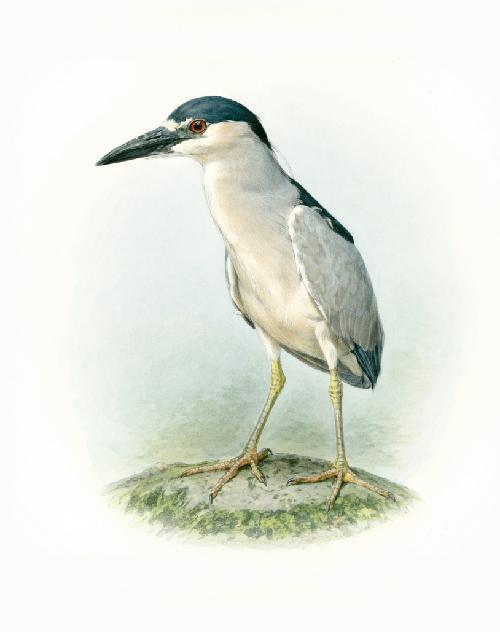
- black-crowned night heron
- Golden Jackal
- Human Flea
- Dog Flea
- Oriental Rat Flea
- Hen Flea
- Northern Rat Flea
- chigoe flea
- Hedgehog Flea
- new zealand bat flea
- Martin Flea
- cat flea
- Ceratophyllus farreni
- Chaffinch Flea
- Rabbit Flea
- Mouse Flea
- sticktight flea
- Squirrel Flea
- Sparrow Flea
- Amalaraeus dissimilis
- Northern Flea
- Ceratophyllus chasteli
- Bed bug
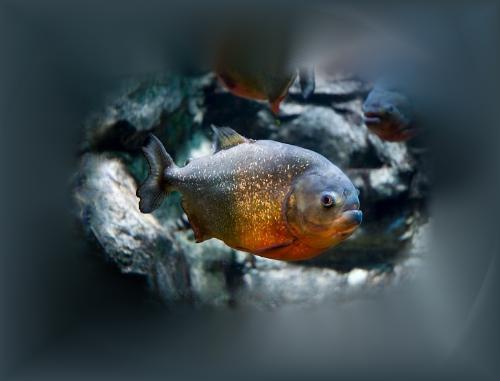
- Piranha
Find your most suitable archetypes
Archetypes are facets of personality and behaviour: sometimes a hamster, sometimes a lion. Take a test for yourself, a friend or a pet.