





The “Rhinoceros” archetype
Cultural context
Across African traditions the rhinoceros is read as living armour: heavy, deliberate, and unwilling to give ground. The white rhino in particular, the broad-mouthed grazer of open grassland, stands for strength that never needs to announce itself. People who know the animal speak of it with a mix of respect and wariness, because a creature that size, with a horn like that, settles disputes by simply arriving. Yet the same tradition leaves room for a surprising softness: the rhino guards what is its own with a devotion that can look like tenderness once you are on the right side of it. As an archetype it is the one who holds a territory, a family, or an opinion, and holds it hard. Admiration follows it everywhere, and so does a certain caution.
Scales
Read through the poles that define this archetype, the rhino is a creature of rank. It wants standing, it notices who is above and below it, and it prefers to be the one others make way for. Stamina and plain physical power sit beside that hunger, along with a mind that likes to take a problem apart and look at the pieces. Agreeableness is the pole it surrenders most readily: quarrelsomeness and stubbornness arrive before diplomacy does. Cunning and a sense of entitlement tag along, while whimsy, ritual and the search for something beyond the practical stay in short supply. It is a serious, earthbound animal that thinks of itself first and rarely goes looking for rebellion.
Core traits
Dominance and command sit at the centre of this archetype. A rhino walks into a clearing and the clearing reorganises itself: roles get handed out, loose ends get tied, chaos gets a deadline. In a crisis that is a gift, because someone has to take responsibility, and it will not be anyone hesitating. The price is paid by other voices. Opinions that differ from the rhino's are heard as static, colleagues turn into followers, and the order it builds can feel less like shelter than like a fence. Left unchecked, authority hardens into something authoritarian, and the people it was meant to protect start edging away.
Strong traits
Courage and the instinct to protect make the rhino a fighter on behalf of its own. It charges first and counts risks later, and it guards its loved ones so closely that the rest of the world starts to look like a threat. Anger arrives fast and can burn bridges it will later wish it still had. Bluntness lets it say true things without wrapping paper, though the listener may feel the horn more than the honesty. Stubbornness keeps it on course against all argument. And the meaner streak, born of fear, can tempt it into a low blow, a bit of deceit, a betrayal for its own benefit; the hopeful part is that a rhino can look that impulse in the eye, learn from it, and grow more honest.
Noticeable traits
Aggression is the rhino's working tool rather than its default mood. It lets the animal draw a line in the dirt and defend it, push through resistance and finish what it began. The trouble starts when the tool has no handle: without discipline the same energy runs over right and wrong alike, and what gets flattened is not the obstacle but the relationship. A rhino at its best keeps this force on a short leash and aims it at a goal, so that others see purpose in the charge rather than a threat.
How to be around
How do you deal with a rhino, whether you meet one as a colleague, a relative, a student, or a four-legged neighbour? Start by being direct. Say what you want in plain words, and stand your ground without raising your voice. The rhino respects a person who does not back away, and it softens toward anyone who has never tried to bulldoze it. Behind the armour lives real kindness, and the six situations below show how to reach it.
With a woman
A woman-rhino rarely wants advice; she wants a clear lane. Divide the work out loud: "You take the budget, I'll take the suppliers." She will run her half harder than you expected, and she will notice that you did not hover. When she is defending someone, whether a friend, a junior colleague or her sister, save your objections about method for another day, because in that moment her loyalty outranks logic. Once things have calmed, name one specific thing she did well. Praise that is concrete is the kind she believes, and it earns you the right to suggest changes.
With a man
Offer a man-rhino choices, never conclusions. "We could go by the coast road or over the pass, your call" works where "You should take the coast road" sets off a quiet war for the steering wheel. He likes authority, so give him real authority over something small and visible, then watch how carefully he guards it. If you need him to change course, bring a fact rather than an opinion and let him announce the new plan as his own. He will defend you fiercely afterwards, and he rarely forgets who made him look good.
With a teenage boy
A teenage boy-rhino is constantly testing how hard the world pushes back, so give him something that pushes back honestly: wrestling, a heavy job in the yard, a board game against someone who will not let him win. Winning cleanly and losing cleanly are both lessons he can take in. After a clash, ask what he was trying to protect before you say what he got wrong. Teens like this are rarely picking a fight for sport; there is usually a friend or a point of pride behind the horn.
With a teenage girl
Hand a teenage girl-rhino real responsibility: captain of the team, organiser of the school trip, the one who speaks to the shopkeeper. Her stubborn streak is easiest to live with when it has a job, such as being the person who says no to the whole group when no is the right answer. If she turns sharp with you, answer in the same dry tone with a bit of humour instead of a lecture. A girl like her can seem humourless, but a well-aimed joke gets under the plating faster than a well-argued speech.
With a child
When a child-rhino hits, bites, or shouts, there is nearly always a reason on the other side of the story: a smaller kid who was teased, a friend who was shut out, a toy that was taken. Listen to the motive first and discuss the rules second, and the little one will actually hear you. Then find an outlet big enough for the energy, such as carrying the watering can, guarding the gate during a game, or being chief of tidying up, so that the strength has somewhere honourable to go.
With an animal
An animal-rhino, be it a pet with a stubborn streak or a creature in your care, reads routine better than words. Keep feeding times and walking routes predictable, and agree on one signal, a particular door or a certain word, that means it may retreat to be alone. When it is tense, stand still, speak low, and let it choose the distance. A calm handler, once trusted, is rewarded with a heavy, loyal presence.
After a quarrel
To quarrel with a rhino or get under its skin, question its right to decide, wrap your criticism in politeness it can see through, or wander across a line it considers its own. A woman-rhino bristles when her competence is doubted in front of others. A man-rhino stops listening the moment he is handed instructions he did not ask for. Teenage boy-rhinos explode at a public telling-off, teenage girl-rhinos at being talked over, and young child-rhinos at seeing a smaller kid bullied while you look on. As for the animal-rhino, a poke at its sore spot or a sudden approach from behind is enough, and the argument is settled in its favour within seconds.
How to befriend
To befriend a rhino or win it over, tell the truth and keep your word; it smells flattery from a long way off. A woman-rhino is won by reliability in small things, like turning up when you said you would. A man-rhino warms to an ally in a hard undertaking, someone who carries a share without asking for credit. Teenage boy-rhinos want their strength acknowledged without condescension, teenage girl-rhinos want a vote in decisions that affect them, and small child-rhinos glow when bravery is praised out loud. When it is the animal-rhino you hope to win, a level voice and a dependable day are your best currency. Be patient, and the armour opens.
Similar archetypes
Close facets: images with a similar set of qualities.
Complete opposite
The opposite facet: images whose qualities point the other way.
- wild boar
- Sheep
- fischer's lovebird
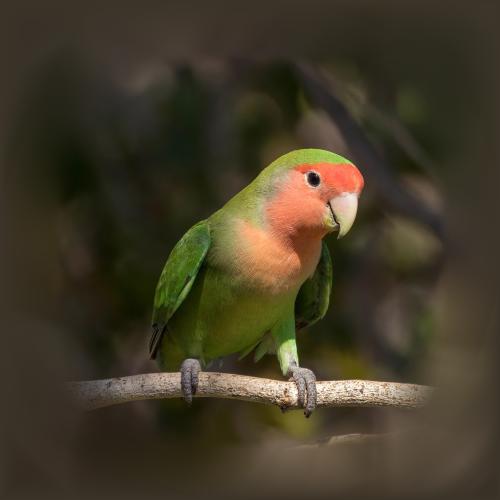
- rosy-faced lovebird
- black-winged lovebird
- yellow-collared lovebird
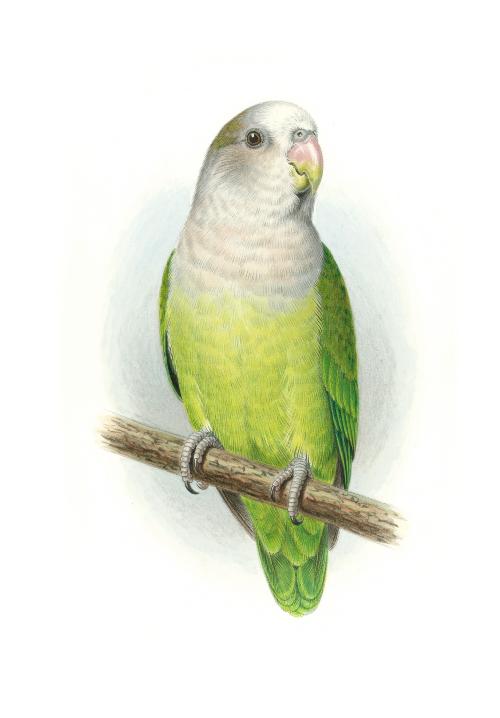
- grey-headed lovebird
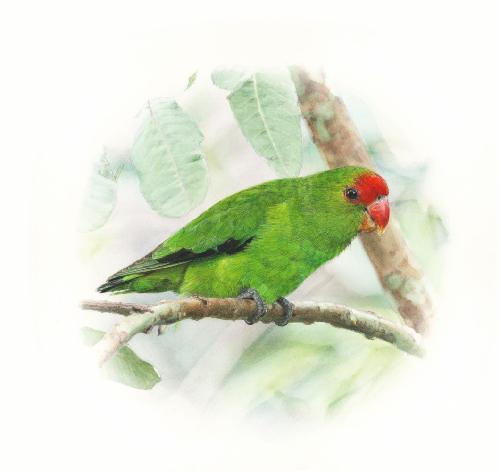
- red-headed lovebird
- black-collared lovebird
- rosy-faced lovebird
- black-cheeked lovebird
- nyasa lovebird
- american bighorn
- Sloth
Find your most suitable archetypes
Archetypes are facets of personality and behaviour: sometimes a hamster, sometimes a lion. Take a test for yourself, a friend or a pet.