












The “domestic sheep or mouflon” archetype
Cultural context
Few animals sit as deep in everyday life as the sheep. Among farming and herding peoples the flock meant wool for winter, milk and meat for the table, and a calendar of lambing, grazing and shearing that gave the rural year its shape. The lamb became a byword for gentleness and innocence, while the curl-horned ram stood for the flock's stubborn front line. The wild cousin, the European mouflon, still roams rocky uplands on islands such as Corsica and Sardinia, and it reveals what the soft fleece can hide: a creature that clings to its home ground and lowers its head when pushed. The tradition is one of patience, routine and settled peace, where change is met with a long, wary stare before anyone takes a step.
Scales
Seen through its traits, this figure leans on custom. Habit, inherited ways and a place within the flock matter more to it than novelty, and it senses something quietly special in the old rhythms. Its feelings run warm: it is playful, sensitive to other people's moods, honest and unshowy, and it searches for meaning in simple things. The weak side is shallow reasoning. It would rather follow the leader than choose a path, and under long strain its energy runs out quickly, so it gives way early. Status matters to it more than it would ever say, as does the sense of belonging to something older than itself, a pen with a gate it knows.
Strong traits
Gentleness and purity are what the sheep is built from. It can settle a quarrel by simply standing nearby, makes a room feel safe and picks up on moods before anyone speaks. That same softness makes it poor at holding its ground, and others sometimes take advantage. Purity gives it a clear conscience and a dislike of scheming, and trust gathers around it. The price is naivety: it believes what it is told and is badly hurt when people turn out to be less honest than it is.
Noticeable traits
The middle of the range is crowded. Generosity sends the sheep home with an empty bowl after feeding everyone else. Friendliness opens doors for it, though it steers clear of confrontation and wants approval more than it admits. Cowardice makes it bolt at the first rustle, which is occasionally wise. Dominance appears rarely, but when it does the ram plants its feet and decides for the whole pen. Stubbornness keeps it on a chosen path long after the path has grown over, and fear of risk and unwillingness to listen pull in the same direction.
Muted traits
Foolishness and laziness hover at the edges. A thought may wander off into fog, and some decisions turn out plainly silly, yet mistakes teach something, and a lucky stumble now and then leads to a better meadow. Laziness is mostly the gift of lying warm in the sun and recovering strength. It only becomes a problem when rest stretches out and chores slide to tomorrow, then the day after. Slowness of wit and slowness of body travel together here, yet neither quite rules the creature; they are more a shadow that follows it than a master that steers.
How to be around
Dealing with a sheep is easiest if you picture a warm, tidy barn where everything has its place. Speak quietly, explain plainly, change the surroundings one small piece at a time and notice every step forward, however tiny. When it digs in, loosening your grip on the rope works better than pulling: it will walk when it decides the walk is worth it.
With a woman
A woman-ewe likes what is familiar, so offer novelty as an extension of it: "Let's go to the place you already love, only sit by the other window." If she nods just to be polite, ask what she would actually pick, and listen to the end. Thank her for what she does for others by naming the deed itself, and she will slowly begin to see that someone looks after her too.
With a man
Hand a man-ram a whole task, name the deadline and leave the method to him; within visible limits he acts with more confidence. If he hesitates, put two options on the table rather than ten. Skip the stories of other men's triumphs, since he hears every comparison as a verdict. Decisions that touch his pride are best raised when he is not in the middle of something else.
With a teenage boy
A teenage boy-lamb says less than he dreams, so tune in and restate his idea in your own words to show you caught it. Give him jobs that are small but real, such as driving his sister to practice or mending the gate. Shouting feeds his fear of responsibility, while little wins shrink it. If he loses his bearings, point to the direction and let him take the step himself.
With a teenage girl
With a teenage girl-lamb, name her kindness aloud: "You knew right away that she was sad." That is worth more to her than a gift. Ask about the future instead of announcing plans for it. Laugh together, because a joke opens her up faster than a serious talk ever will.
With a child
A child-lamb thrives on predictability. Tell him ahead of time where you are going and who will be there, and keep the bedtime rituals he loves. Sudden noises and shoves frighten him, while hide-and-seek delights him. Let him wander one step ahead while you stay close, so he knows which back to hide behind.
With an animal
An animal-ram, like all his kin, hangs on to the flock, so keep a familiar companion nearby and his fear fades. Approach from the front, talk in an undertone and offer a flat palm of feed instead of grabbing. A stamp and a lowered head are not rage; they are a request for room.
After a quarrel
To quarrel with a sheep or get under its skin, rearrange its home and demand an answer on the spot. A woman bristles when you call her weak, a man when you tell him how to live, a teenager or child when you mock their fear, and the animal butts when it feels cornered in the pen. Pile new obligations on the woman, hurry the man into a choice, tease the teen about timidity, or snatch a toy from the child, and the soft manner hardens into a stubborn wall, which can then take a very long time to crumble.
How to befriend
To befriend a sheep or win it over, be warm and regular: turn up at the same hour, bring a familiar treat and laugh together over trifles. Praise its kindness, step in when bullies appear and never make fun of its caution. Once it has grown used to you, it will follow you almost anywhere. With a woman, notice her generosity; with a man, share a plain job; with a teenager, trade jokes; with a child, keep to the routine; with the animal, let it sniff your hand before you reach for its fleece.
Similar archetypes
Close facets: images with a similar set of qualities.
Complete opposite
The opposite facet: images whose qualities point the other way.
- Hornet
- Barracuda
- Siberian Weasel
- beech marten
- Woodpecker
- Bumblebee
- ichneumon
- indian gray mongoose
- long-nosed mongoose
- crab-eating mongoose
- javan mongoose
- collared mongoose
- ruddy mongoose
- Brown mongoose
- Stripe-necked mongoose
- Collared mongoose
- Short-tailed mongoose
- Small Indian mongoose
- Indian grey mongoose
- Small Indian mongoose
- Crab-eating mongoose
- brown mongoose
- stripe-necked mongoose
- short-tailed mongoose
- Small Indian mongoose
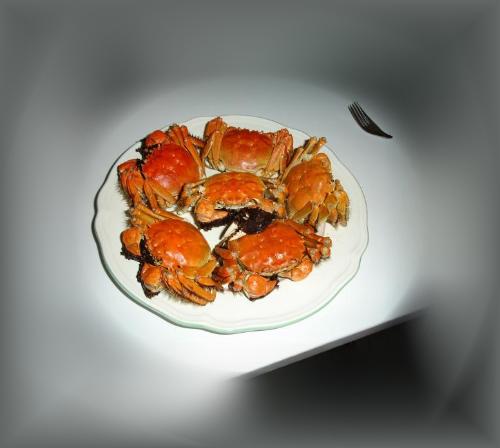
- Chinese mitten crab
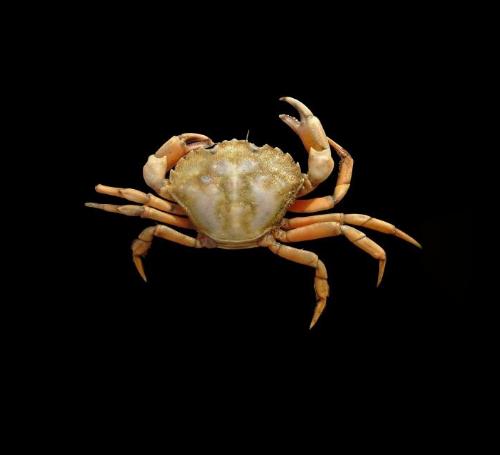
- common shore crab
- shore crab
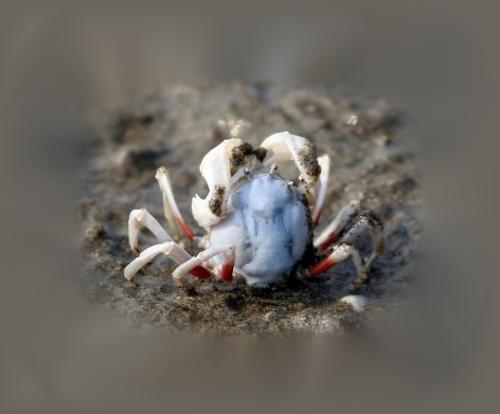
- Horn-eyed ghost crab
- Short-fingered soldier crab
Find your most suitable archetypes
Archetypes are facets of personality and behaviour: sometimes a hamster, sometimes a lion. Take a test for yourself, a friend or a pet.